
The best Senso-ji souvenirs are the traditional ones this corner of Tokyo does better than anywhere: temple-original omamori and goshuin from the temple office, ningyo-yaki and kaminari-okoshi sweets fresh off Nakamise-dori, and Edo-style crafts like folding fans and tenugui. This is old Tokyo's souvenir heart, so buy accordingly.
Senso-ji, in Asakusa, is Tokyo's oldest temple, and the streets around it are the closest the modern city gets to Edo. Where Harajuku is character goods and Odaiba is Gundam, Senso-ji is the register of tradition: shrine and temple objects with real meaning, sweets made the old way, and crafts that were sold on these same streets a century ago.
We've curated Senso-ji by leaning into exactly that. The strongest gift bag from Asakusa is unashamedly traditional, an omamori with a genuine story, a box of ningyo-yaki still warm from the griddle, a hand-dyed tenugui, a folding fan. These are the souvenirs that carry the weight of the place.
These are the Senso-ji omiyage worth packing, where each one comes from, and how to work Nakamise-dori without being swept along by the crowd.
What makes a Senso-ji souvenir worth buying?
A Senso-ji souvenir is worth packing when it is either a genuine temple-original object (omamori, goshuin, ema) or a traditional Asakusa specialty made and sold in the district (ningyo-yaki, kaminari-okoshi, Edo crafts). The trap is the mass-produced 'ninja and samurai' trinkets and interchangeable 'Tokyo' merchandise that crowd the busier stalls.
Senso-ji's souvenir value is authenticity of tradition. The temple objects carry ritual meaning the way a saint's medal does. The sweets are made by shops that have refined a single specialty over generations. The crafts are the everyday objects of old Tokyo, still useful and still beautiful. That heritage is the value, and it is exactly what the cheap trinket versions lack.
The filter is the usual one, applied to a traditional setting. If an item is a genuine temple object, a specific Asakusa sweet, or a real Edo-style craft, it holds up. If it is a plastic samurai keychain that could sit in any tourist shop in the country, it does not. Nakamise-dori sells both, side by side, so the choosing matters.
For the broader, Japan-wide version of this test, our Japan souvenirs guide covers the full case.
What temple-original souvenirs can you buy at Senso-ji?
The temple sells genuine ritual objects at its office: omamori cloth amulets for specific wishes, goshuin calligraphy stamps inked into a stamp book, and ema wooden prayer plaques. Senso-ji is also known for its omikuji fortune slips. These are the most meaningful souvenirs in Asakusa, and the temple office is the only legitimate source.
1. Omamori (temple-blessed amulets)
Omamori are small embroidered cloth pouches blessed at the temple, each tied to a specific wish: health, study, safe travel, love, success. They are among the few souvenirs in Japan with a genuine ritual story behind them, and Senso-ji's are a strong, well-regarded set.
Prices typically run ¥500 to ¥1,000. Two rules of respect: do not open the pouch, and traditionally the amulet is returned to a temple after about a year to be respectfully retired. Where: the temple office near the main hall.
2. Goshuin (temple calligraphy stamp)
A goshuin is the temple's official seal, hand-inked into a goshuincho stamp book by an attendant. Senso-ji's is a fine version to collect, and for anyone visiting several temples and shrines on a Japan trip, Asakusa is a natural place to start the book. You will need the book itself, sold at the temple if you do not have one, with the stamp added for a small fee.
Prices: roughly ¥1,000 to ¥2,000 for a quality stamp book, ¥300 to ¥500 for the stamp. Where: the temple office.
3. Ema and omikuji
Ema are small wooden plaques for writing a wish, and you can buy one to take home unwritten, particularly the seasonal designs. Senso-ji is also famous for its omikuji fortune slips, which are known for including a fair share of blunt results. The slip itself costs a coin or two; the experience is the souvenir, and the ritual of drawing one is part of any Senso-ji visit. Where: the temple grounds and office.
What traditional Asakusa sweets can you buy on Nakamise-dori?
The classic edible omiyage are ningyo-yaki (doll-shaped sponge cakes filled with red bean), kaminari-okoshi (crunchy puffed-rice-and-peanut sweets tied to the Kaminarimon gate), and hand-grilled senbei rice crackers. Asakusa is also known for sweet-potato treats. These are made and sold along Nakamise-dori, often fresh in front of you.
4. Ningyo-yaki
Ningyo-yaki are small sponge cakes filled with sweet red-bean paste, cooked in molds shaped like the temple's lanterns, the Five-Story Pagoda, or lucky symbols. Watching them griddled fresh on Nakamise-dori is half the appeal, and gift boxes travel well for a day or two. They are the signature Asakusa sweet.
Prices: roughly ¥500 to ¥1,500 for a boxed set. Where: several long-standing ningyo-yaki shops along and near Nakamise-dori.
5. Kaminari-okoshi
Kaminari-okoshi is a crunchy confection of puffed rice and peanuts pressed into blocks, and its name ties directly to Kaminarimon, the temple's Thunder Gate. Tokiwado, the well-known kaminari-okoshi maker beside the gate, has sold it here for generations, and a boxed set is one of the most quintessentially Asakusa gifts you can bring home. It also keeps far longer than the fresh sweets.
Prices: roughly ¥500 to ¥2,000 for boxed assortments. Where: near Kaminarimon at the entrance to Nakamise-dori.
6. Senbei and sweet-potato treats
Hand-grilled senbei (rice crackers), sold warm and brushed with soy, are a classic Nakamise buy, and boxed assortments make a good savory counterpoint to the sweets. Asakusa is also known for imo, sweet-potato treats, from candied sticks to sweet-potato yokan, which pack well and gift nicely.
Prices: roughly ¥300 to ¥1,500. Where: along Nakamise-dori and the surrounding Asakusa lanes.
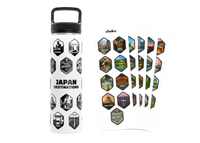
❤️ Even if your trip stays in Tokyo, the Traveler bucket-list bottle has plenty to mark off — its 27 destinations include Tokyo neighborhoods, day trips like Kamakura and Hakone, and the wider Japan route for whenever you go further. Live on Kickstarter until July 26. Reserve yours now at the best prices we'll offer.
What traditional crafts make the best Senso-ji souvenirs?
The strongest craft buys are folding and flat fans (sensu and uchiwa), tenugui hand-dyed cotton towels, and maneki-neko beckoning cats. These Edo-style crafts are useful, flat-packing, and genuinely tied to old Tokyo, which is exactly what a Senso-ji craft souvenir should be.
Fans are the standout. A well-made folding fan is beautiful, practical in a Japanese summer, and packs flat, and Nakamise-dori and the craft shops on the side streets carry good ones. Tenugui, the thin hand-dyed cotton cloths used as towels, wrapping, or wall art, are the most versatile craft souvenir in the district: light, inexpensive, and endlessly usable.
Maneki-neko, the beckoning-cat figures said to invite luck, are the classic Asakusa keepsake, and the ceramic ones from craft shops are a different object entirely from the plastic mass-market version. Daruma dolls, incense, and small Edo-style crafts round out the category. Prices range widely, from a few hundred yen for a tenugui to several thousand for a quality fan or ceramic cat. Where: Nakamise-dori and the craft-focused side lanes such as Denpoin-dori.
Where should you actually shop around Senso-ji?
Nakamise-dori is the main event, the roughly 250-meter street of around ninety shops from the Kaminarimon gate to the temple. Buy temple objects from the temple office beyond it, sweets and crafts along Nakamise itself, and the more considered Edo crafts on the quieter side streets. Go early; the street fills up fast.
The geography is straightforward and historic. You enter through Kaminarimon, the great red Thunder Gate with its enormous lantern, and Nakamise-dori runs straight ahead to the Hozomon gate and the temple beyond. This is one of Japan's oldest shopping streets, and nearly everything traditional you would want is on it or a few steps off it.
Nakamise-dori is for the sweets, the fans, the tenugui and the maneki-neko. The temple office, past the second gate, is the only place for genuine omamori and goshuin. The side streets, Denpoin-dori among them, are quieter and skew toward the more serious craft shops, worth the detour if you want a fan or ceramic piece chosen with time rather than grabbed in the crush.
| Stop | Best for | What to expect |
|---|---|---|
| Senso-ji temple office | Omamori, goshuin, ema | The only legitimate source; cash; respectful queue |
| Nakamise-dori | Ningyo-yaki, kaminari-okoshi, fans, tenugui | Historic, crowded, fast; go early for room to browse |
| Kaminarimon (Tokiwado area) | Kaminari-okoshi boxed sets | Long-keeping classic Asakusa gift |
| Denpoin-dori and side lanes | Edo-style crafts, quality fans, ceramics | Quieter; more considered; better for a real craft buy |
Free for you: our Tokyo Google Maps list We keep a Google Maps list of the must-see spots around Tokyo - restaurants, cafes, shops, viewpoints, and streets worth the detour. Drop your email and we'll send it over.
What should you avoid buying at Senso-ji?
Skip the mass-produced 'ninja and samurai' trinkets and plastic maneki-neko sold from the busiest stalls, the interchangeable 'Tokyo' merchandise with no Asakusa connection, and any 'temple charm' sold from a street stall rather than the temple office. The genuine sweets, crafts and temple objects are the parts of Nakamise-dori that hold up.
The biggest avoidance is the pseudo-charm. Real omamori come from the Senso-ji temple office, are blessed by the temple, and carry its name. Amulet-shaped merchandise from unaffiliated stalls is decoration, not a ritual object, and anyone who understands the difference will notice.
The second is the plastic-trinket trap. Nakamise-dori sells genuine ceramic maneki-neko and hand-made crafts a few meters from cheap plastic versions and generic samurai keychains. The generic items are the same stock sold in every tourist district in Japan, with no relationship to Asakusa. Spend the extra few hundred yen on the real ceramic cat or the hand-dyed tenugui and the gift changes entirely.
Finally, mind the fresh sweets on a long trip: ningyo-yaki and warm senbei are best within a day or two, so for anything traveling far, choose the longer-keeping kaminari-okoshi or a craft instead. For the full country-wide avoidance list, the japan-souvenirs guide covers it.
❤️ For the full Tokyo route that pairs with this kind of neighborhood walk, the cheku 9 Days in Tokyo guide has 106 pages of local knowledge and our photography, built around what to do, day by day. Live on Kickstarter until July 26. Reserve yours now at the best prices we'll offer.
FAQ
What souvenirs should you buy at Senso-ji Temple?
Senso-ji, in Asakusa, is the traditional-souvenir heart of old Tokyo. The buys that hold up are temple-original items from the temple office (omamori amulets, goshuin calligraphy stamps, ema plaques), traditional Asakusa sweets from Nakamise-dori (ningyo-yaki doll cakes, kaminari-okoshi puffed-rice sweets, senbei crackers), and Edo-style crafts like folding fans, tenugui hand towels and maneki-neko cats. Nakamise-dori is the main souvenir street.
What can you buy on Nakamise-dori at Senso-ji?
Nakamise-dori, the roughly 250-meter shopping street from the Kaminarimon gate to the temple, is lined with around ninety shops selling traditional Tokyo omiyage: ningyo-yaki and kaminari-okoshi sweets, senbei rice crackers, folding and flat fans, tenugui cotton towels, maneki-neko beckoning cats, daruma dolls, and small Edo-style crafts. It is one of Japan's oldest shopping streets and the most concentrated traditional souvenir stretch in Tokyo.
Are Senso-ji temple charms real souvenirs to take home?
Yes. Omamori amulets and goshuin calligraphy stamps from the Senso-ji temple office are genuine ritual objects, not merchandise, and among the most meaningful souvenirs in Tokyo. Buy them from the temple's own office rather than from street stalls, do not open omamori pouches, and treat a goshuin stamp as the sacred seal it is. Senso-ji is also known for its omikuji fortune slips.
Activities and tours in Tokyo
cheku is a GetYourGuide partner. We link to tours that handle the parts of travel that eat your time, getting there, booking ahead, language, context you'd otherwise miss. If you book through our link, we earn a small commission at no extra cost to you.


