From Tokyo, With Love
Where we take our friends and family when they visit us in Tokyo.
A 7 day Tokyo itinerary built from 7 years of living in Japan. The main shops, cafes, and photography spots we recommend.
Tokyo Itinerary
3, 5 or 7 Days in Tokyo — Built From 7 Years Living Here
We moved to Tokyo in 2017 and never really left. This Tokyo itinerary is what we actually do when friends visit — not a list scraped from a guidebook, but a real week built around neighborhoods we walk through every day. Whether you have 3 days, 5 days, or a full week, the route below works. Pick your length and go.
The non-negotiables. Three days covers the greatest hits without rushing.
Day 1 · Day 2 · Day 3
Five days gives you space to slow down, eat well, and actually enjoy each neighborhood.
Day 1 · Day 2 · Day 3 · Day 4 · Day 5
A full week in Tokyo. Day trips, theme parks, the neighborhoods everyone misses.
Day 1 through Day 7 — full route
Launching soon on Kickstarter
Your Japan bucket list, travel guide, and souvenir — all-in-one.
We built cheku to help you carry your travels with you. Kickstarter lets us bring this to life with the support of our community — backers get the best price and help us make it real.
Learn More →


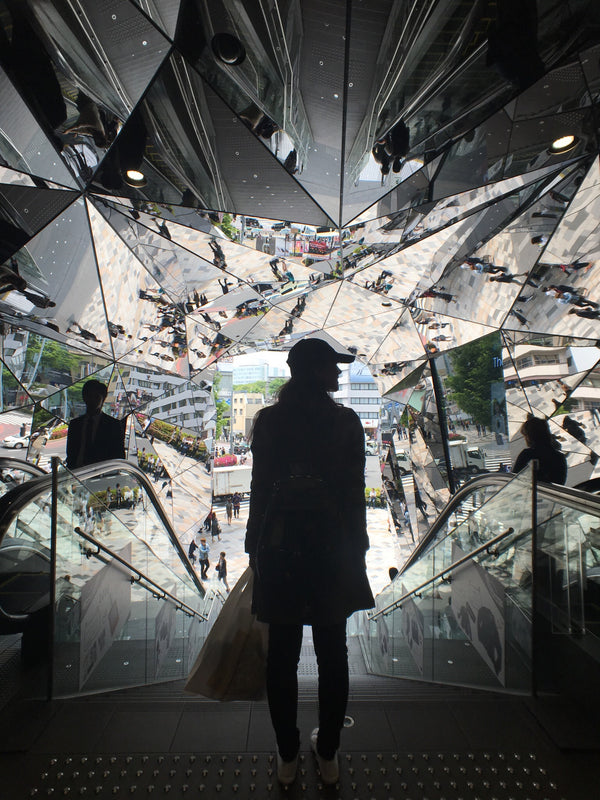

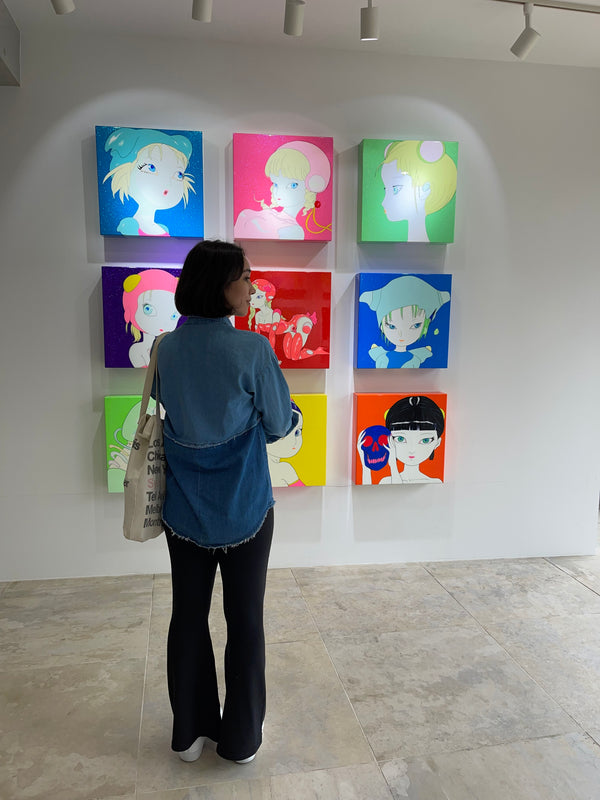
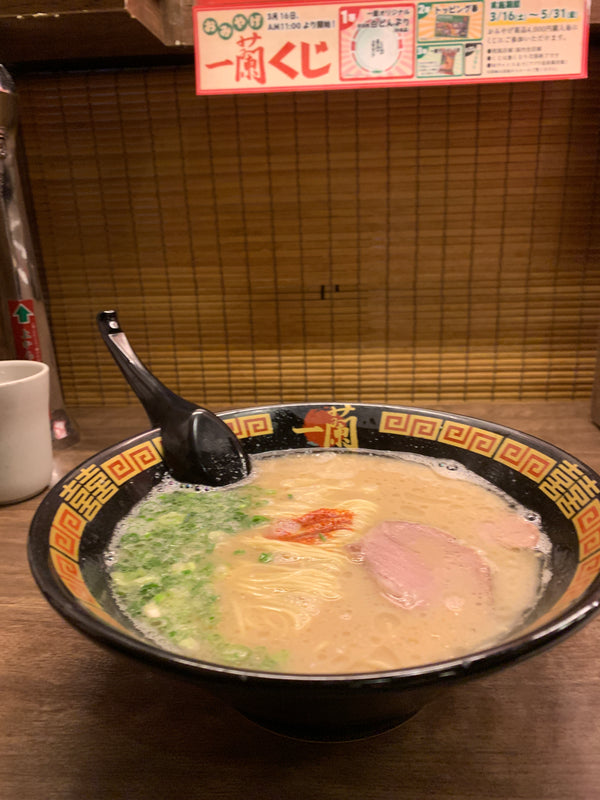
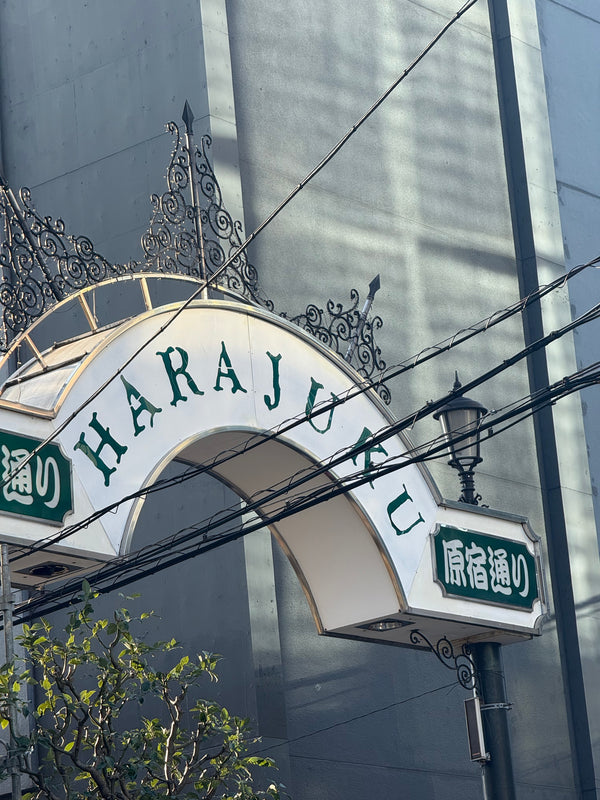
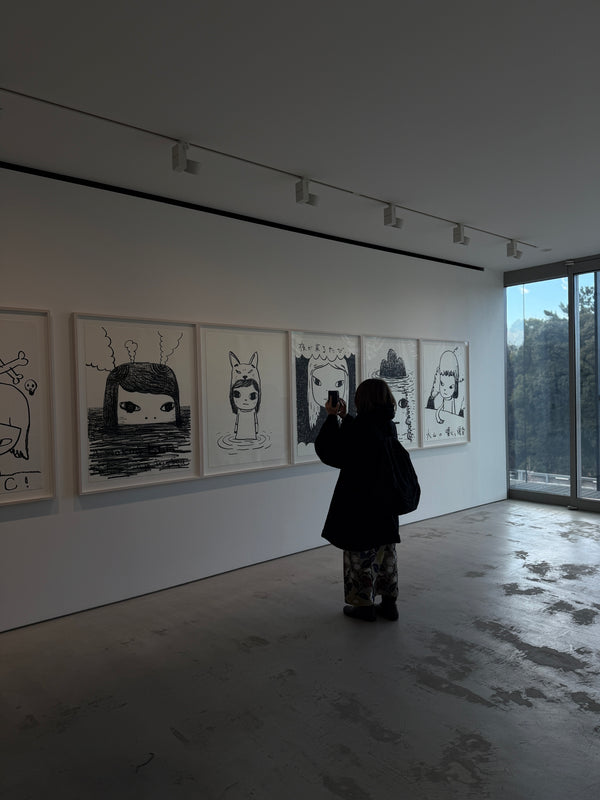


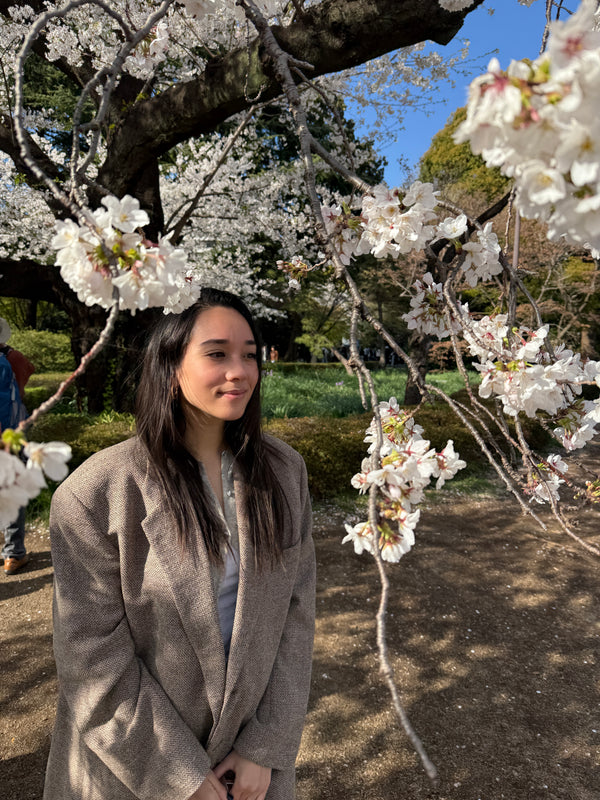

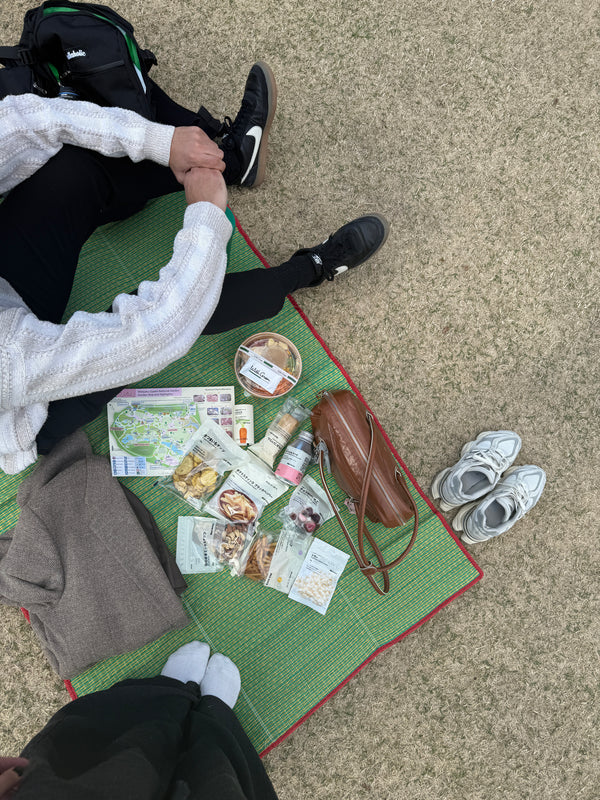
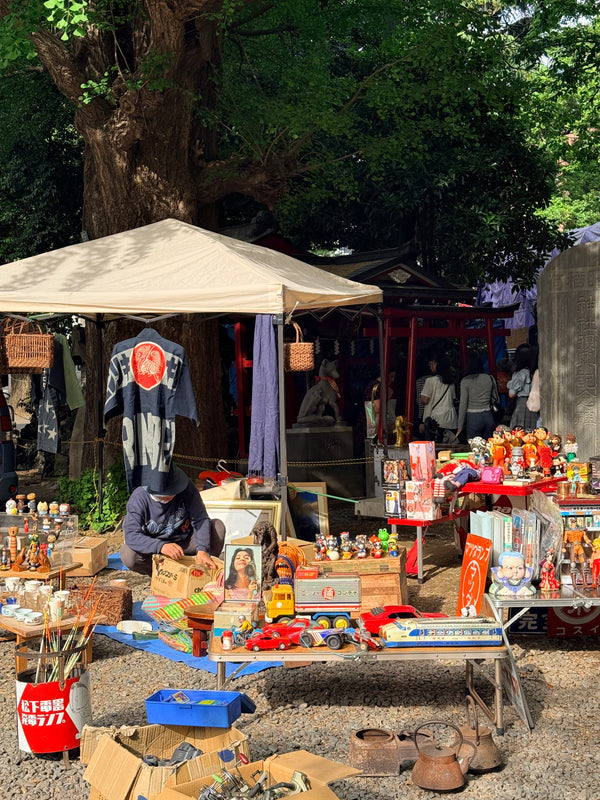
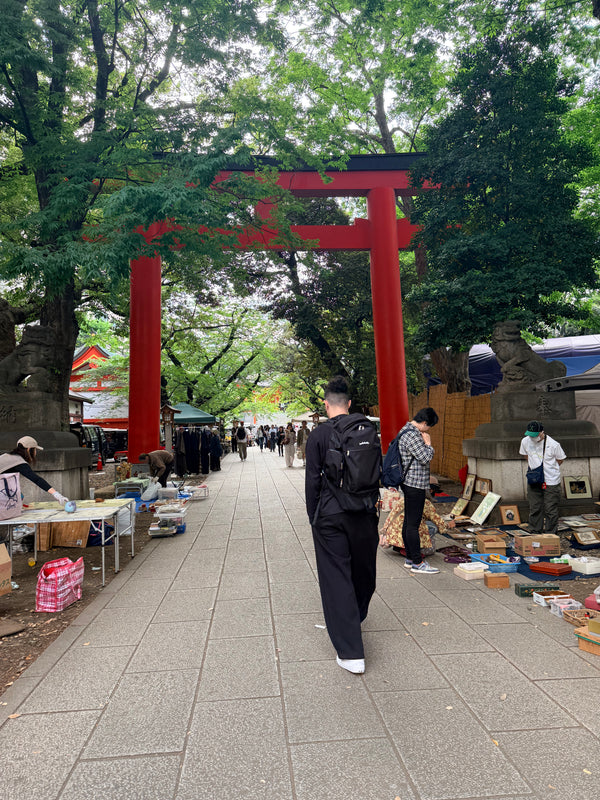


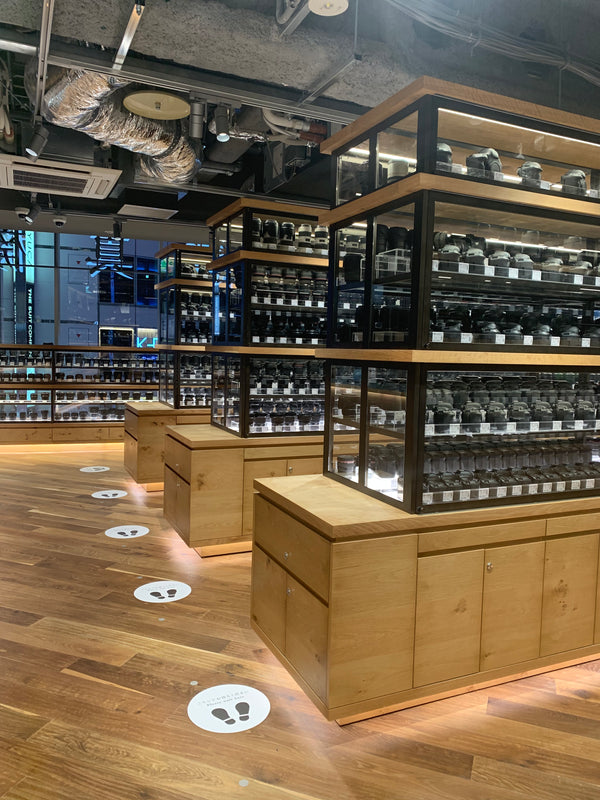

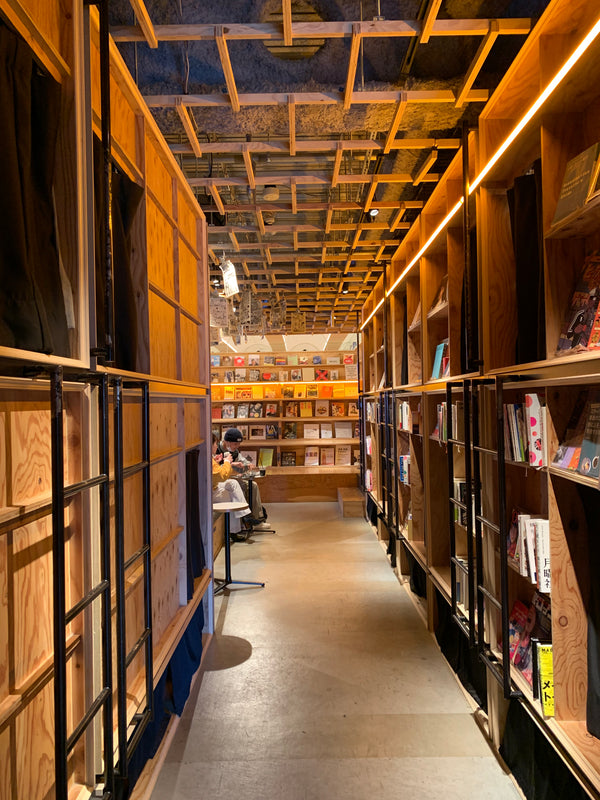
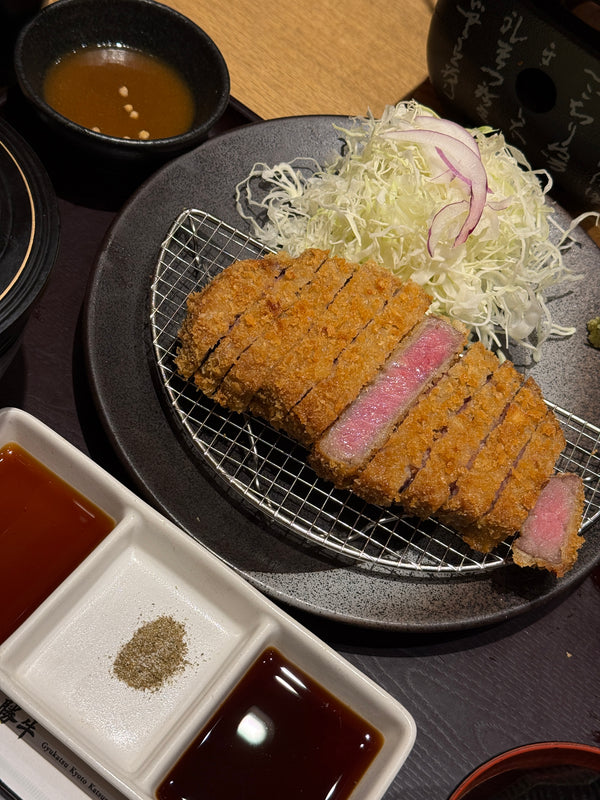


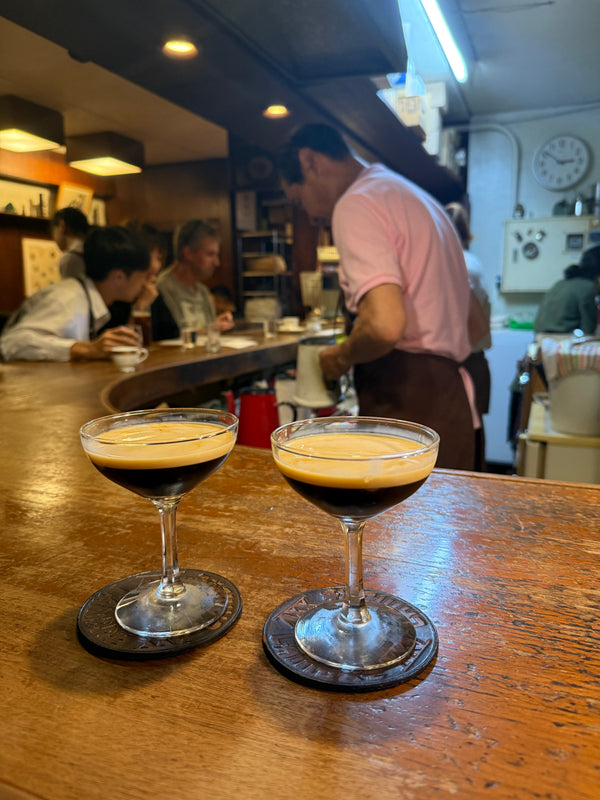
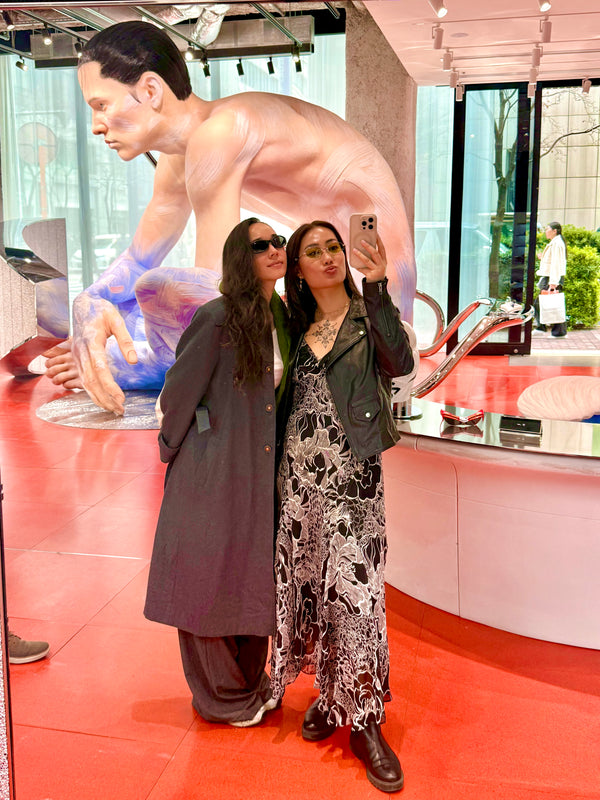


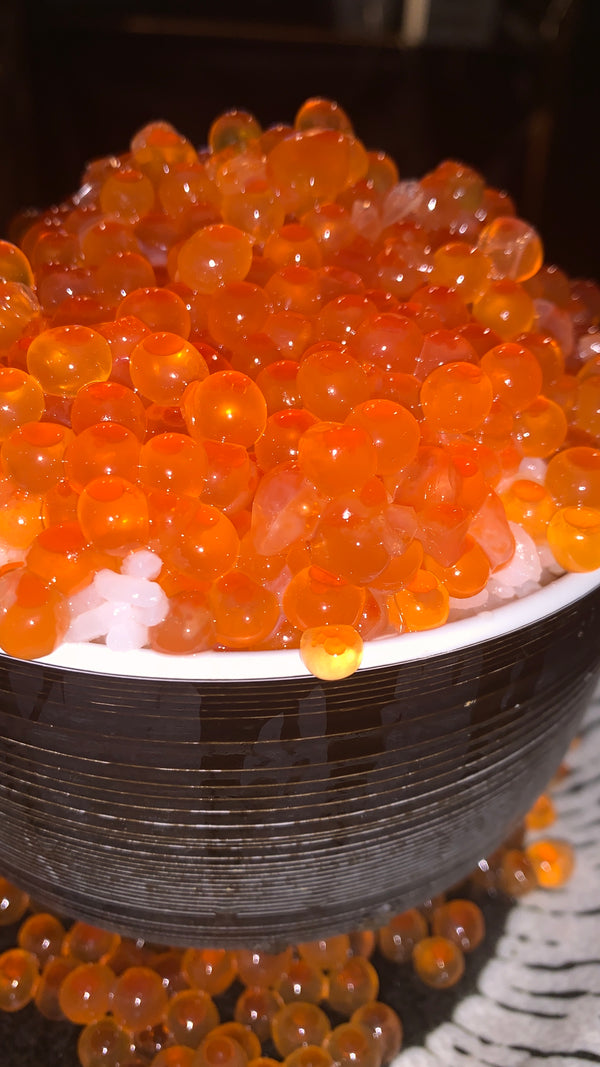


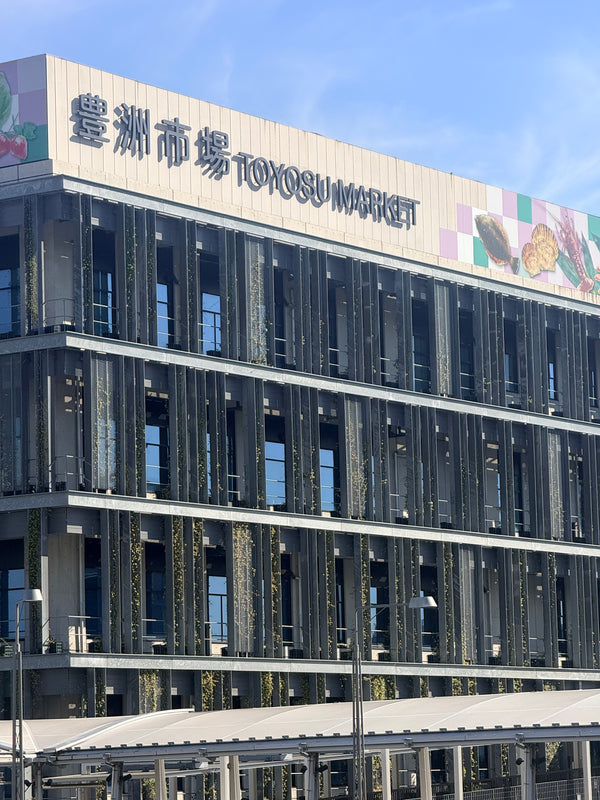


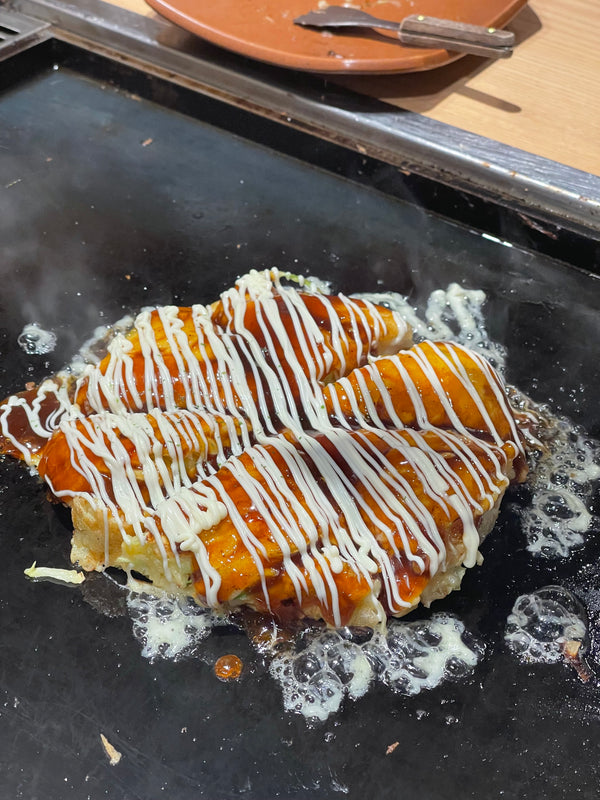


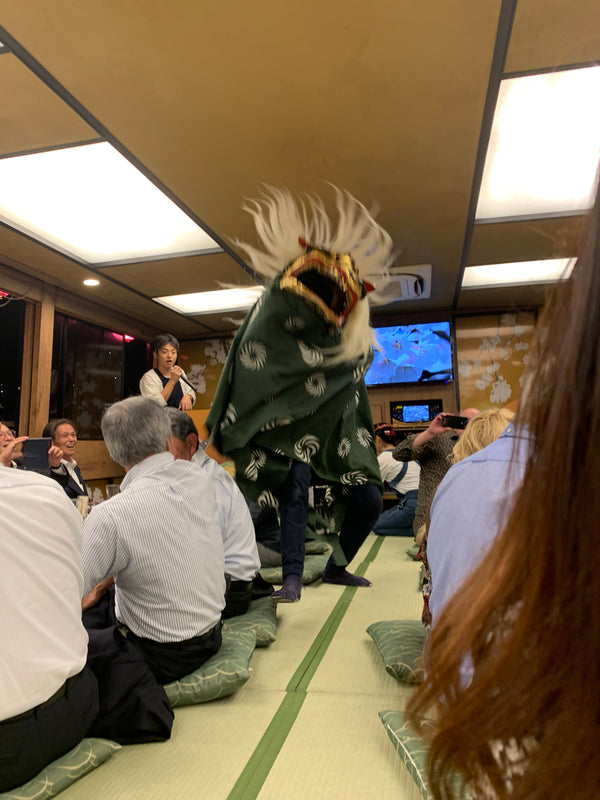

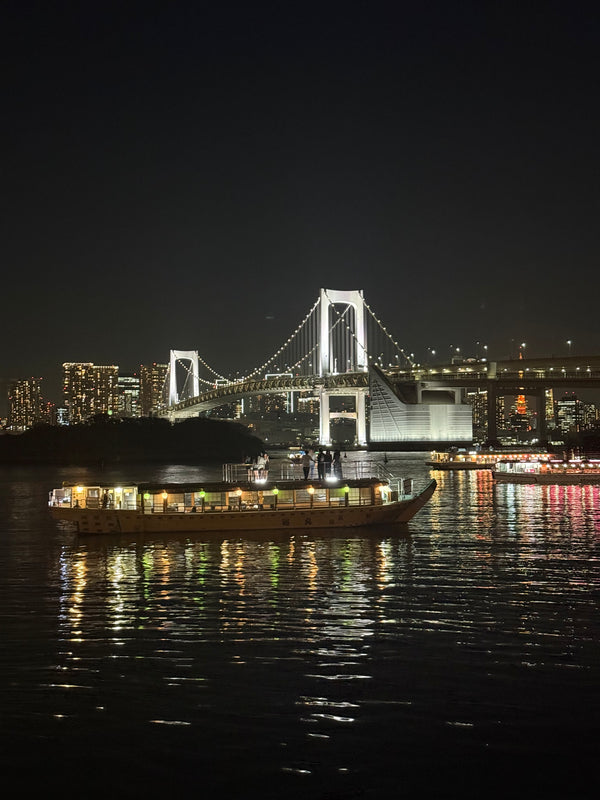

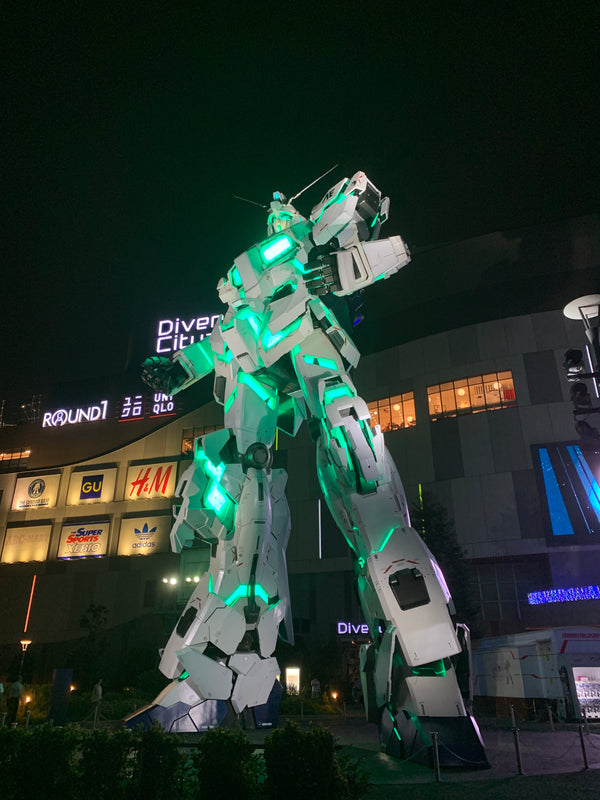


Everything in one place.
This 7 day Tokyo itinerary is just the beginning. The full 3 Weeks in Japan bundle goes deeper — 210 pages, 255 hand-picked places, 126 cafes and restaurants, custom Google Maps, and six day trips beyond the city.

Tokyo Itinerary — FAQ
How many days do you need in Tokyo?
Most first-time visitors need at least 5 days to cover the main neighborhoods without rushing. Three days works if you're short on time and stick to the highlights — Harajuku, Shinjuku, Asakusa. Seven days lets you add day trips to Kamakura or Hakone, and explore slower-paced neighborhoods like Shimokitazawa or Koenji. Our honest answer: 5 days is the sweet spot.
What is the best area to stay in Tokyo?
Shinjuku and Shibuya are the most convenient for first-timers — every train line passes through, and you're walking distance from both nightlife and quieter side streets. Asakusa is better if you want a more traditional atmosphere and lower hotel prices. We live in Shimokitazawa, which we love, but it's further from most tourist routes. For a first trip, stay in Shinjuku or close to it.
When is the best time to visit Tokyo?
Spring (late March to early April) for cherry blossoms is iconic but crowded and expensive. Autumn (October to November) is our favorite — mild weather, fewer crowds than spring, and the foliage in parks and shrines is stunning. Summer (June to August) is hot and humid but festival season is incredible. Avoid Golden Week (late April to early May) unless you book everything months in advance.
Should you visit Tokyo or Kyoto first?
Tokyo, for most first trips. The Shinkansen makes the order flexible, but flying into Haneda or Narita and easing in through the busiest city while you are freshest tends to land better. Kyoto rewards a slower pace, so saving it for the second half of the trip means you walk it tired in the right way. Reverse the order only if a Kyoto festival or sakura window is fixing your dates.
What are the best day trips from Tokyo?
Four work well from any central Tokyo station. Kamakura sits 55 minutes south for the Great Buddha, coastal temples and quieter beaches. Hakone is 90 minutes for onsen, Mt Fuji views and the lake cruise. Nikko is two hours north for the gold-leaf shrines and forested gorges. The Mt Fuji loop, Arakurayama, Oshino Hakkai and Lake Kawaguchi, takes a full day and is most easily done with a guide. Day 6 of the itinerary above maps all four.
Which Tokyo neighborhoods do most travelers miss?
Three sit close to the main loop and reward an afternoon. Yanaka, an Edo-era survivor of the firebombings, keeps small bakeries, ceramic studios and the gentlest stretch of cats in the city. Kiyosumi-Shirakawa pairs the Blue Bottle flagship with a serious contemporary art museum and a perfect strolling garden. Shimokitazawa is two stops from Shibuya, packed with vintage clothing, second-hand records and small theatres. We live in the third.
Can you do Tokyo in 3 days?
You can, but you'll need to be selective. Three days in Tokyo is enough to hit the highlights if you follow the first three days of this itinerary: Harajuku and Omotesando on day one, Shinjuku on day two, and Asakusa on day three. Skip the day trips and theme parks — those need more time. Three days gives you a taste; it'll make you want to come back for longer.
Is 7 days enough for Tokyo?
Yes — seven days is plenty for Tokyo itself, and just enough to fit in one or two day trips outside the city. You won't see everything (no one does), but a solid week covers all the major neighborhoods, a theme park or two, a bullet train ride to Kamakura or Nikko, and still leaves time to just wander. Tokyo rewards slow walking more than sightseeing checklists.
Is Tokyo Disneyland or DisneySea better?
DisneySea, for most travelers. It exists nowhere else in the world, leans more adult with proper cocktails and themed harbour areas, and has the most beautiful park design Disney has ever built. Disneyland is the familiar one if you have young children or want the classic castle experience. Both sit at Maihama, about 50 minutes from Shinjuku. Book tickets online before you fly, weekends and Japanese holidays sell out fastest.
What is the difference between Suica and Pasmo?
Functionally none. Both are rechargeable IC cards that tap onto every Tokyo train, subway, bus, konbini and most vending machines, and both work across Japan. Suica is issued by JR East, Pasmo by the private Tokyo subway operators. Pick whichever you can grab first at the airport or station, and refill at any ticket machine. Apple and Android phones can also add a virtual Suica directly to Wallet.
How do you get from Narita or Haneda airport to central Tokyo?
From Haneda, the Tokyo Monorail or Keikyu Line reaches Tokyo Station or Shinagawa in 20 to 25 minutes for around ¥500. From Narita, the Narita Express (N'EX) takes 60 minutes and costs ¥3,070, while the Keisei Skyliner reaches Ueno in 41 minutes for ¥2,580. Pick up the Foreign Tourist N'EX round-trip ticket at the airport for half-price. Taxis from Narita run ¥25,000 plus.
How do you get around Tokyo?
The train network. Seriously — Tokyo's subway is the best in the world and will get you anywhere within a few minutes of your destination. Get a Suica or Pasmo IC card at the airport and load it with cash; it works on every train, subway, and most buses. Google Maps is completely reliable for routing. Taxis exist but are expensive and slower in traffic. You'll walk more than you expect — comfortable shoes matter.
What is the biggest mistake first-time Tokyo visitors make?
Trying to see too much in too few days, and clustering sights on a map instead of by neighbourhood. Tokyo is built around 23 distinct wards and the train rides between them eat real time. The fix is to anchor each day in one or two neighbourhoods and walk them properly, the way the itinerary above is built. The second most common mistake is booking Shibuya Sky and teamLab Planets after you arrive, both routinely sell out a week ahead.
Do I need to speak Japanese in Tokyo?
No. English signage is everywhere in tourist areas, train stations all have English displays, and most restaurant staff in popular neighborhoods can manage a basic order. Google Translate's camera mode handles menus that are Japanese-only. It's polite to learn a few basics — 'sumimasen' (excuse me), 'arigatou gozaimasu' (thank you), 'hitotsu' (one, for ordering) — but you won't be stuck without them.
How much should I budget for a Tokyo trip?
A comfortable mid-range trip lands around ¥18,000 to ¥25,000 ($120 to $170) per person per day on the ground, before flights. Budget travelers using business hotels, konbini meals and trains run closer to ¥9,000 to ¥12,000. Luxury trips with ryokan stays and omakase counters easily reach ¥45,000 and beyond. The Japan trip budget calculator builds a real number from your trip length, group size and travel style.
Every tool on cheku is free, and built with you in mind. We'd like to keep it that way. If this saved you time or stress, we'd love a little fuel for the next one. ❤️
kudasai (ください) — please, used when asking for something or an action. Direct, neutral-polite. Works in most everyday situations. Mizu o kudasai = water, please · Matte kudasai = please wait.
onegaishimasu (お願いします) — please, used when asking a favor or entrusting something. Softer, more humble, more formal. Yoroshiku onegaishimasu = thank you in advance · Kore o onegaishimasu = this one, please, at a counter.
Secure one-tap checkout, powered by Shopify.
