
Cute things worth buying in Japan come from official brand stores (Pokémon Center, Sanrio World, Studio Ghibli shop), craft items with kawaii design pedigree (gamaguchi clasp purses, tabi socks with character prints), gachapon from Akihabara, and the kawaii stationery that Japanese people actually use. The version sold in generic souvenir shops is a different category entirely.
Kawaii (可愛い / cute) in Japan is a design tradition with 50 years of serious cultural history, not just a tourist marketing angle. What makes Japanese kawaii objects worth buying as souvenirs is the same thing that makes any Japanese craft worth buying: the quality of design and production behind the object. The Hello Kitty in a Sanrio flagship store and the Hello Kitty keychain in a souvenir shop near Senso-ji are not the same object.
Japanese domestic shopping writing on jalan.net and note.com covers kawaii shopping as a distinct editorial category. The guidance is consistent: official brand stores, specialist kawaii shops in Harajuku, and Akihabara for the gachapon and character goods that Japanese people actually buy for themselves and as gifts.
For the broader souvenir picture including non-kawaii picks — and the "would it hold up to someone who knows Japan" test that separates the genuinely cool from the generic — the Japan souvenirs guide covers 30 picks across every category.
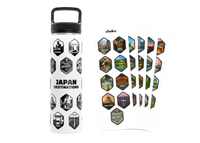
The Traveler Bottle maps the Japan destinations with the strongest kawaii shopping — Tokyo's Harajuku and Akihabara, Osaka's character goods districts — alongside everything else worth planning around.
What makes kawaii Japan souvenirs worth buying?
The quality distinction in kawaii shopping: official brand merchandise versus generic character goods. Japanese domestic shopping writing on note.com makes this distinction consistently.
Official brand merchandise from Pokémon Center, Sanrio World, or the Studio Ghibli shop comes from the original design studios. The Pikachu figurine sold at Pokémon Center is made to the same quality standards as the in-game character design. The Hello Kitty plush from a Sanrio World flagship is produced by the company that originated the character. These are not the same as mass-produced character goods sold wherever tourists walk.
The test from Japanese kawaii shopping culture: would a Japanese person who likes this character buy this specific item? Generic souvenir-shop character goods consistently fail this test. Official brand store merchandise consistently passes it.
Where are the best places to buy cute things in Japan?
The four destinations Japanese domestic shopping guides on jalan.net consistently recommend for kawaii shopping:
Pokémon Center. Multiple locations across Japan — Shibuya (in the Mega Pokémon Center), Daimaru Osaka, and others. The Mega Pokémon Center in Shibuya is the largest in the Tokyo area. Merchandise is exclusive to official stores: plush toys, accessories, stationery, and seasonal limited editions. The quality reflects Pokémon Company's design standards.
Sanrio World. The Sanrio flagship in Shibuya (Sanrio World Harajuku on Takeshita Street) carries the full range of Hello Kitty, Cinnamoroll, My Melody, Pompompurin, and other Sanrio characters. Merchandise available here often includes Japan-exclusive items not sold internationally. The Harajuku location is on Takeshita Street — the kawaii fashion street — which is worth walking regardless of whether you shop there.
Studio Ghibli shop at Roppongi Hills. The official merchandise retail space for Studio Ghibli. Totoro, Spirited Away, Princess Mononoke, and other Ghibli characters in plush, stationery, homeware, and accessories. Japan-exclusive items; some are produced in limited runs. Roppongi Hills location makes it easy to combine with the Mori Art Museum or a Roppongi area visit.
Akihabara Gachapon Hall. ATT Japan's gachapon guide covers the Gachapon Hall (open 11:00–20:00) as the most concentrated capsule toy collection in Tokyo: machines covering licensed anime characters, original kawaii designs, food miniatures, and animal series at ¥100–500 per capsule.
What kawaii craft items are worth buying in Japan?
Gamaguchi (がま口) clasp purses are the kawaii craft item with the strongest Japanese tradition behind them. The toad-mouth brass clasp has been used in Japanese accessories for over a century. Modern versions in kawaii designs — animal faces, character-inspired patterns, food shapes — run ¥1,500–4,000 for quality pieces at Tokyu Hands and specialist accessory shops.
Unlike generic souvenir shop versions, the gamaguchi from Tokyu Hands or specialist shops is made with proper fabric and functional hardware that opens and closes correctly for years. The kawaii design (a cat-face flap, a strawberry-shaped coin purse, a tanuki with embroidered features) is applied to an object with real craft provenance. Available at Tokyu Hands in Shibuya, specialist leather and accessory shops in Harajuku, and artisan craft shops in Shimokitazawa.
Tabi socks with character prints. Split-toe tabi socks (¥1,000–3,500 per pair) in kawaii designs — cats, animals, food motifs — are the wearable kawaii souvenir that Japanese people actually put in their gift bags. They're functional, come in specific Japanese sizing, and the character versions are distinct from generic printed socks available elsewhere. Tokyu Hands and Harajuku fashion shops carry good selections.
Free for you: our Tokyo Google Maps list We keep a Google Maps list of the must-see spots around Tokyo — kawaii shopping, cafes, viewpoints, and streets worth the detour. Drop your email and we'll send it over.
What kawaii stationery from Japan is worth buying?
Kawaii stationery in Japan is not a separate category from serious stationery — it's the same design culture applied to functional objects. Tabimaniajapan's stationery guide covers character notebooks, washi tape in character prints, and sticker sets as part of the same stationery purchasing culture that produces Midori notebooks and Kuru Toga pencils.
Character notebooks (Mofusand, Sumikko Gurashi, San-X designs): ¥500–2,000 per notebook, available at Tokyu Hands, Loft, and Itoya. The design quality reflects the same Japanese graphic sensibility applied to standard notebooks. These are items Japanese students and adults buy for themselves, not tourist-facing merchandise.
Washi tape in character and food print designs: ¥150–600 per roll at Tokyu Hands and Itoya. The kawaii print versions are available alongside the standard botanical and geometric designs. Limited seasonal editions in character themes sell out; the standard character ranges (animal prints, food motifs) restock regularly.
Sticker sheets in animal, food, and character designs: ¥100–500 per sheet at 100-yen shops (Daiso, Seria) and stationery shops. At Daiso, the sticker selection includes well-designed animal and food prints alongside character-specific designs.
How to compare kawaii souvenir options by category
| Category | Price range | Best source | Notes |
|---|---|---|---|
| Pokémon Center merchandise | ¥500–5,000 | Pokémon Center Shibuya | Japan-exclusive items; seasonal limited editions |
| Sanrio character goods | ¥500–3,000 | Sanrio World Harajuku | Japan-exclusive designs; full character range |
| Ghibli merchandise | ¥500–5,000 | Ghibli shop, Roppongi Hills | Limited production runs; Japan-only |
| Gamaguchi purse (kawaii design) | ¥1,500–4,000 | Tokyu Hands, Harajuku shops | Traditional Japanese clasp + kawaii design |
| Tabi socks (character prints) | ¥1,000–3,500 | Tokyu Hands, Harajuku fashion | Functional; Japanese sizing |
| Gachapon (¥300–500 tier) | ¥300–500/capsule | Akihabara Gachapon Hall | Licensed character or artisan animal series |
| Kawaii stationery | ¥150–2,000 | Tokyu Hands, Itoya, Daiso | Same culture as serious Japanese stationery |
| Best for | Recipient who collects | Official character merchandise from brand stores | Quality reflects original design intent |
FAQ
Is Harajuku good for kawaii shopping? Harajuku has two distinct shopping zones. Takeshita Street is the kawaii fashion street — bright, youth-oriented, fast-fashion kawaii at accessible prices. The Omotesando side is higher-end. The Sanrio World flagship is on Takeshita Street; the overall Harajuku experience is worth at least a walk-through for anyone interested in kawaii culture. Japanese lifestyle writing on note.com covers Takeshita Street as a distinct shopping culture.
What kawaii things can you buy in Japan for under ¥1,000? Under ¥1,000: gachapon at the ¥100–500 tier from Akihabara, character washi tape rolls (¥150–600), sticker sheets from Daiso or Tokyu Hands (¥100–500), small character notebooks from 100-yen shops, and character-print tabi socks at the entry end. Daiso specifically carries a rotating selection of kawaii items — seasonal character designs, food-motif stickers, cat-print notebooks — that turn over regularly.
What is the most popular kawaii brand in Japan right now? Japanese domestic shopping writing on note.com covers character popularity cycles — Sumikko Gurashi (San-X) and Mofusand have had strong followings in recent years alongside the perennial Sanrio characters and Pokémon. The strongest safe bet for a gift is still Pokémon (universally recognized, quality controlled through official stores) or Hello Kitty (Sanrio flagship quality). For current trending characters, the front tables at Tokyu Hands Shibuya are a reliable real-time indicator.
Are Japanese character goods available outside Japan? Some, but not all. Japan-exclusive items at Pokémon Center Japan, Sanrio World Japan, and the Ghibli shop are specifically not sold outside Japan. These Japan exclusives are the purchase rationale that Japanese domestic shopping writing on jalan.net consistently highlights — if you can buy it online later, the urgency is lower.
Sources
- ATT Japan — Gachapon guide — Akihabara Gachapon Hall hours, pricing structure (¥100–500), cultural context
- Tabimaniajapan — Stationery guide — kawaii stationery, character washi tape, Tokyu Hands
- Keiko Furoshiki — Japanese textile accessory tradition, gamaguchi craft context
- jalan.net — Japan domestic shopping guides — Pokémon Center locations, Sanrio flagship coverage, Harajuku kawaii district
- note.com — Japanese lifestyle writing on kawaii culture, what's worth buying versus tourist-facing goods, character trend coverage
Activities and tours in Tokyo
cheku is a GetYourGuide partner. We link to tours that handle the parts of travel that eat your time, getting there, booking ahead, language, context you'd otherwise miss. If you book through our link, we earn a small commission at no extra cost to you.


