
Hidden gem shopping in Tokyo — by Japanese lifestyle blog and magazine coverage — clusters around twelve neighborhoods and small streets that sit outside the heavy tourist circuit: Koenji vintage, Kagurazaka antiques, Yanaka craft, Kuramae artisan studios, Kichijoji indie boutiques, Nishi-Ogikubo antiques, Daikanyama back streets, Nakameguro canal-side, Sangenjaya, Asagaya, Shimokitazawa side streets, and the Kappabashi-adjacent shōtengai. This guide covers them with the Japanese lifestyle press as the reference.
The hidden-gem-shopping-Tokyo question gets thin answers in English guides — usually the same three or four neighborhood names — but Japanese lifestyle press and personal blogs cover a much wider Tokyo neighborhood landscape. note.com longform posts by Tokyo residents, Hanako and &Premium feature stories, Casa Brutus design district coverage, and small-shop focused TABIZINE features all repeat the same dozen or so neighborhoods as the practical residential-cool shopping landscape. The neighborhoods themselves are not secret — Japanese residents have been shopping in them for decades — but they sit largely outside the Shibuya-Harajuku-Ginza tourist axis most visitors plan around.
For the broader Tokyo shopping district landscape including the major shared districts, the where locals shop in Tokyo guide is the deep-dive companion. For specific Tokyo product picks at named shops, the Tokyo souvenirs guide covers it.
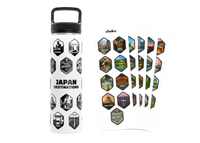
❤️ If you're planning a first Japan trip, the cheku Japan Destinations I Traveler bucket-list bottle illustrates the 27 destinations that hold up after the research — part travel guide, part souvenir, and a daily essential for the trip itself. Live on Kickstarter until July 26. Reserve yours now at the best prices we'll offer.
What makes a Tokyo shopping spot a "hidden gem" by Japanese standards?
By Japanese lifestyle press and resident-blog coverage, a Tokyo "hidden gem" shopping spot is a neighborhood that meets three criteria: it sits outside the main Shibuya–Harajuku–Ginza tourist axis, the shops are small and named (not chains), and the foot traffic is dominated by residents rather than visitors. The neighborhoods that meet these criteria recur across publications.
The Japanese framing matters here. "Hidden gem" in Japanese tourist-facing media (隠れた名店 / kakureta meiten — "the hidden famous shop") typically means a small, named, often family-run shop that hasn't been overexposed in English guides. It's not literally hidden — Tokyo residents know it — but it's outside the curated tourist circuit. The same applies to neighborhoods: a "hidden" shopping neighborhood is one Japanese residents use everyday but tourists rarely reach.
The twelve spots in this guide fit this pattern. None are secret; all are documented in Japanese lifestyle press. But each sits at a comfortable distance from the obvious tourist routes, and each rewards a half-day walking visit. The neighborhoods divide into three rough types: vintage and indie (Koenji, Shimokitazawa side streets, Nishi-Ogikubo, Asagaya), residential-cool design (Daikanyama back streets, Nakameguro, Sangenjaya, Kichijoji), and traditional and craft (Yanaka, Kagurazaka, Kuramae).
Which Tokyo neighborhoods are best for vintage and indie shopping?
For vintage clothing, vinyl, and indie boutiques, the canonical Tokyo neighborhoods are Koenji, Shimokitazawa side streets, Nishi-Ogikubo, and Asagaya — all on the Chuo / Sobu line west of Shinjuku. Popeye and Hanako feature these regularly.
1. Koenji — the Tokyo vintage standard.
The dominant Tokyo vintage clothing neighborhood. Koenji Pal shōtengai and the side streets behind the south exit carry multiple long-standing vintage shops covering Americana, vintage Japanese, denim, and indie streetwear. Vinyl shops sit alongside. Budget to mid-tier pricing. The atmosphere is relaxed and residential — Koenji has a strong young-Tokyoite cultural identity built on vintage, music, and small bars.
2. Shimokitazawa side streets — broader vintage with stronger foot traffic.
The better-known vintage neighborhood for foreign visitors, but the actual depth is in the side streets rather than the main strip near the station. Multiple vintage shops, Disk Union for vinyl, small indie clothing boutiques. Mid-budget pricing, more curated than Koenji on average.
3. Nishi-Ogikubo — antiques and small boutiques.
West of Kichijoji on the Chuo line. A smaller, quieter neighborhood with multiple antique shops (Western and Japanese antiques), small clothing boutiques, and a strong café scene. Less foot traffic than Koenji or Shimokitazawa.
4. Asagaya — old-Tokyo shōtengai and indie shops.
Between Koenji and Ogikubo on the Chuo line. Pearl Center (a covered shōtengai) is the main shopping artery, with everyday Japanese consumer life — produce, ready-made food, household shops — alongside small indie clothing and vintage shops. The Asagaya Tanabata festival in August is a residential summer highlight.
Which Tokyo neighborhoods are best for residential-cool design shopping?
For adult-contemporary design clothing, lifestyle, and small named boutiques, the canonical neighborhoods are Daikanyama back streets, Nakameguro canal-side, Sangenjaya, and Kichijoji. Casa Brutus and &Premium cover this corridor as the design-led adult shopping landscape.
5. Daikanyama back streets.
The Tsutaya Books / T-Site campus is the canonical anchor, but the surrounding back streets carry a deeper landscape of small named clothing shops, design boutiques, premium vintage, and lifestyle stores. Walk uphill from Daikanyama Station and explore the residential streets in any direction. Premium pricing across most categories.
6. Nakameguro canal-side.
The canal that runs through Nakameguro is the visual anchor, with shops lining both sides. Adult-contemporary clothing, small design objects, the Starbucks Reserve Roastery, and a strong café and small-bar scene. Mid to premium pricing.
7. Sangenjaya — Setagaya residential design.
A few stops west of Shibuya on the Den-en-toshi line. Small indie clothing and design shops, strong café and small-restaurant scene, residential atmosphere. Mid-budget pricing.
8. Kichijoji — Inokashira Park-adjacent indie shopping.
Beyond the Chuo line at the western edge of Tokyo. Inokashira Park anchors the neighborhood; the shopping streets between the park and the station carry indie boutiques, named-design shops, vintage clothing, bookshops, and the famous Sun Road covered shōtengai. A canonical Hanako / &Premium feature destination.
Which Tokyo neighborhoods are best for traditional craft and antiques?
For traditional craft, antiques, and the small artisan studio shops, the canonical neighborhoods are Yanaka, Kagurazaka, and Kuramae. TABIZINE and Tokyo Art Beat cover these consistently.
9. Yanaka — the old-Tokyo neighborhood with craft and traditional shops.
North of Ueno, around Nippori Station. The Yanaka Ginza shōtengai is a traditional covered shopping street with everyday Japanese life. Small craft shops, traditional sweet shops (mochi, dango, anmitsu), small ceramic shops, used bookshops. The Yanesen area (Yanaka–Nezu–Sendagi triangle) is the traditional Tokyo shopping experience.
10. Kagurazaka — antiques, traditional craft, and French-Japanese fusion.
The former geisha district near Iidabashi. Steep cobbled side streets, traditional ryotei restaurants, antique shops, small craft galleries, French-Japanese bakeries, and small upscale clothing boutiques. The character is more refined than Yanaka — Kagurazaka was historically the entertainment quarter for Tokyo's literary and political classes, and that residue is in the shopping.
11. Kuramae — the artisan studio district.
East of Asakusa across the Sumida River. Small artisan studios across leather (Sui, Kohchosai Kosuga), paper (Kakimori the custom-notebook bindery), ceramics, glass, design objects. The neighborhood is "Tokyo's Brooklyn" in lifestyle press shorthand — formerly industrial, now anchored by small named makers. A canonical Casa Brutus and &Premium destination.
12. The Kappabashi-adjacent shōtengai north of Asakusa.
Kappabashi proper is the kitchen-supply district; the adjacent shōtengai north and east of Asakusa carry small everyday shops, traditional craft, and a working-residential atmosphere. Walk from Asakusa Station toward Kappabashi via the side streets rather than the main tourist routes.
Free for you: our Tokyo Google Maps list We keep a Google Maps list of the must-see spots around Tokyo — all twelve hidden-gem shopping neighborhoods plus the specific small shops worth a detour: Kakimori in Kuramae, the Koenji vintage cluster, Yanaka Ginza shōtengai, Kagurazaka antique streets, and the canal-side Nakameguro corridor. Drop your email and we'll send it over.
How do the twelve hidden-gem Tokyo shopping spots compare?
| Neighborhood | Best category | Tier | Atmosphere | Distance from central Tokyo | Best for |
|---|---|---|---|---|---|
| Koenji | Vintage clothing, vinyl | Budget to mid | Young-Tokyoite, residential | 7 min from Shinjuku (Chuo line) | Deep vintage shopping |
| Shimokitazawa side streets | Vintage, indie clothing, records | Budget to mid | Bohemian, livelier than Koenji | 4 min from Shinjuku (Odakyu) | Vintage with broader foot traffic |
| Nishi-Ogikubo | Antiques, small boutiques | Mid | Quiet residential | 15 min from Shinjuku (Chuo) | Antique shopping, quiet day |
| Asagaya | Shōtengai, indie clothing | Budget | Traditional residential | 10 min from Shinjuku (Chuo) | Old-Tokyo shōtengai walk |
| Daikanyama back streets | Adult-contemporary design, books, premium vintage | Premium | Refined adult, design-led | 5 min from Shibuya (Toyoko) | Design and book day |
| Nakameguro canal-side | Adult-contemporary clothing, lifestyle, cafés | Mid to premium | Canal-side residential cool | 8 min from Shibuya (Hibiya) | Adult-contemporary walking |
| Sangenjaya | Indie clothing, design shops | Mid | Setagaya residential | 5 min from Shibuya (Den-en-toshi) | Quiet indie shopping |
| Kichijoji | Indie boutiques, bookshops, vintage | Budget to mid | Park-adjacent, relaxed | 30 min from Shinjuku (Chuo) | Park + shopping day |
| Yanaka | Small craft, traditional sweets, used books | Budget to mid | Old-Tokyo residential | 12 min from Tokyo Station via Yamanote | Traditional Tokyo shopping |
| Kagurazaka | Antiques, traditional craft, upscale boutiques | Mid to premium | Refined, former geisha district | 10 min from Tokyo Station (Tozai) | Antiques + refined walk |
| Kuramae | Artisan craft, leather, paper, ceramics | Mid to premium | Maker studio district | 15 min from Tokyo Station | Craft and studio walk |
| Kappabashi-adjacent shōtengai | Working shōtengai, traditional craft | Budget | Residential-working | 20 min from Tokyo Station | Combine with Kappabashi knife shopping |
| Best for | Pair one vintage / indie neighborhood (Koenji or Shimokitazawa) with one design or craft neighborhood (Daikanyama, Kuramae, or Yanaka) for one efficient day | Mid-budget covers most categories | Match the neighborhood character to your shopping mood | Most are 5–30 min by train from Shibuya or Shinjuku | Two neighborhoods + one shōtengai walk in one day |
What's the most efficient hidden-gem Tokyo shopping route?
The most efficient route depends on which category you most want: pair Koenji + Kichijoji for a vintage / indie day, Yanaka + Kuramae for a traditional craft day, or Daikanyama + Nakameguro + Sangenjaya for a residential-cool design day. Each route is doable in 4–6 hours including a sit-down lunch.
Vintage and indie day (Koenji + Kichijoji):
- Start at Koenji Station mid-morning. Walk the Koenji Pal shōtengai and the side streets behind the south exit for vintage shops and records.
- Stop for lunch at a small Koenji izakaya or café.
- Chuo line west to Kichijoji (about 15 minutes).
- Walk the streets between Kichijoji Station and Inokashira Park. Indie boutiques, the Sun Road covered shōtengai, bookshops.
- End at Inokashira Park for a late-afternoon walk.
Traditional craft day (Yanaka + Kuramae):
- Start at Nippori Station mid-morning. Walk through Yanaka Ginza shōtengai. Small craft shops, traditional sweets, the Yanesen residential walk.
- Lunch at a small Yanaka teishoku-ya or noodle shop.
- Walk or short train south to Kuramae (or via Asakusa). The Kuramae artisan studio district: Kakimori (custom notebooks), Sui (leather), Carmine (design objects), other small studios.
- End at the Sumida River for a late-afternoon view.
Residential-cool design day (Daikanyama + Nakameguro + Sangenjaya):
- Start at Daikanyama Station mid-morning. Tsutaya Books T-Site, back-street boutiques, the Daikanyama Address campus.
- Walk downhill to Nakameguro canal-side. Lunch at a canal-side café or small restaurant.
- Late afternoon: Den-en-toshi line to Sangenjaya for the smaller indie shopping circuit.
Half-day Kagurazaka walk:
Kagurazaka rewards a focused 3-hour walk on its own. Iidabashi Station; uphill on Kagurazaka-dōri; explore the side streets for antiques, traditional craft galleries, and the small upscale boutiques. Lunch or coffee at a refurbished traditional building (Akagi Shrine area has multiple).
❤️ The cheku 9 Days in Tokyo guide is 106 pages of local knowledge and our photography — designed for first-time visitors who want every day planned before they land, including the residential-cool neighborhood walks that don't make standard tourist itineraries. Live on Kickstarter until July 26. Reserve yours now at the best prices we'll offer.
FAQ
Where are the hidden gem shopping spots in Tokyo? Tokyo's hidden-gem shopping spots — by Japanese lifestyle blogs and the residential-cool district press — cluster around twelve neighborhoods and small streets: Koenji (vintage clothing and vinyl), Kagurazaka (antiques and traditional craft in the former geisha district), Yanaka (small craft shops and the Yanaka Ginza shōtengai), Kuramae (artisan studios — Kakimori for stationery, Sui for leather, Carmine for design), Kichijoji (Inokashira Park-adjacent indie boutiques), Nishi-Ogikubo (antique shops and small clothing boutiques), Daikanyama back streets, Nakameguro canal-side, Sangenjaya, Asagaya, Shimokitazawa side streets, and the Kappabashi-adjacent shōtengai north of Asakusa.
Where do stylish Tokyo locals shop? Stylish Tokyo residents shop across a circuit covered by Japanese lifestyle press: Aoyama back streets (high-end Japanese designers), Daikanyama (Tsutaya Books and design-led adult-contemporary), Nakameguro canal-side (mid-tier design clothing), Kichijoji (indie boutiques near Inokashira Park), Shimokitazawa (vintage and indie), Koenji (vintage and vinyl), Kuramae (artisan craft studios), and Cat Street / Ura-Harajuku for streetwear. The lifestyle press (Brutus, Popeye, Hanako, &Premium) treats this circuit as the practical shopping landscape rather than the heavily-promoted tourist districts.
What's the best off-the-beaten-path shopping in Tokyo? Off-the-beaten-path Tokyo shopping clusters in low-foot-traffic neighborhoods Japanese lifestyle blogs cover regularly: Kagurazaka (the former geisha district near Iidabashi — antique shops, traditional craft, French-Japanese fusion cafés), Yanaka (the old-Tokyo neighborhood near Nippori — small craft shops, the Yanaka Ginza shōtengai, traditional sweet shops), Kuramae (the artisan studio district east of Asakusa — Kakimori, Sui, Carmine, leather and paper studios), Nishi-Ogikubo (the antique and small-boutique district west of Kichijoji), and the Yanesen area (Yanaka-Nezu-Sendagi triangle for the traditional Tokyo shopping experience).
Are there local secret shopping streets in Tokyo? Tokyo has a number of small shopping streets and shōtengai (covered shopping streets) that sit largely outside tourist circuits: Yanaka Ginza (a traditional shōtengai in Yanaka), Togoshi Ginza (Tokyo's longest shōtengai, in Togoshi), Sunamachi Ginza (Koto ward's traditional shōtengai), Jujo Ginza (in Kita ward), and the Asakusa Hisago-dōri side streets. Each is a working residential shopping street with everyday Japanese consumer life — produce, ready-made food, small clothing and household shops — rather than a tourist destination.
Where are the best vintage shops in Tokyo? Tokyo's best vintage clothing shopping concentrates in three neighborhoods Japanese lifestyle press covers consistently: Koenji (the canonical Tokyo vintage neighborhood — multiple long-standing vintage shops along Koenji Pal shōtengai and the side streets; budget tier to mid-tier; deeper Americana selection), Shimokitazawa (the better-known vintage district with both budget and mid-premium vintage; Disk Union for vinyl alongside; broader foot traffic), and Daikanyama / Nakameguro (curated premium vintage at higher pricing, smaller but more selective selection). For specific items, Harajuku Cat Street and Ura-Harajuku carry streetwear-tier vintage and limited reissues.
For the broader Tokyo shopping district landscape including the major shared districts, the where locals shop in Tokyo guide is the deep-dive companion. For specific Tokyo product picks at named shops, the Tokyo souvenirs guide covers it.
Sources
- note.com — Japanese longform lifestyle blog platform, neighborhood posts from Tokyo residents
- Hanako — Magazine House women's lifestyle magazine, neighborhood features
- &Premium — Magazine House women's lifestyle magazine
- Casa Brutus — Magazine House design and architecture magazine
- Time Out Tokyo — Tokyo guide platform
- TABIZINE — Japanese travel magazine, shōtengai coverage
- Tokyo Art Beat — Tokyo art and design platform
- OZmagazine — Tokyo women's lifestyle magazine
- Popeye — Magazine House men's lifestyle magazine
Activities and tours in Tokyo
cheku is a GetYourGuide partner. We link to tours that handle the parts of travel that eat your time, getting there, booking ahead, language, context you'd otherwise miss. If you book through our link, we earn a small commission at no extra cost to you.


