
Where locals shop in Tokyo splits cleanly across categories and neighborhoods. For clothing and design: Nakameguro, Daikanyama, Aoyama side streets, Kichijoji, Shimokitazawa, Kuramae, Sangenjaya. For kitchen tools: Kappabashi. For craft and design objects: Kuramae and Aoyama. For records and books: Shimokitazawa, Koenji, Daikanyama T-Site. For high-end fashion: Aoyama proper and Ginza side streets, not main Ginza Chuo-dōri. The Japanese lifestyle press (Brutus, Popeye, Casa Brutus, Hanako, &Premium) treats these as the practical shopping landscape, with tourist Harajuku and Shibuya Center-gai as a parallel system.
The where-locals-shop-Tokyo question separates into two layers in Japanese lifestyle media: which broad districts overlap with tourist Tokyo (Harajuku, Shibuya, Ginza, Aoyama, Marunouchi) and which neighborhoods are residential-cool and rarely on a tourist itinerary (Nakameguro, Daikanyama, Kichijoji, Shimokitazawa, Koenji, Kuramae, Sangenjaya, Yanaka). The honest answer is that Tokyo residents use both — but the tourist-heavy main streets are usually skipped in favor of the side-street and lesser-known equivalents.
Brutus, Popeye, Casa Brutus, Hanako, and &Premium — all from the same Magazine House publisher — collectively run the Tokyo lifestyle shopping coverage Japanese residents actually read. Their pattern over years of issues is consistent: feature stories on Nakameguro canal-side shops, Daikanyama T-Site neighborhood, Kuramae craft studios, Aoyama side-street flagships, and Kichijoji indie boutiques recur regularly; the main Harajuku Takeshita-dōri and Shibuya Center-gai rarely appear except as orientation context.
For the broader Tokyo souvenir category with specific products and named shops, the Tokyo souvenirs guide is the deep-dive companion. For Shibuya specifically — including the locally-used side streets like Cat Street — the things to do in Shibuya guide covers it.
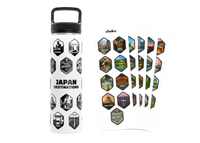
❤️ If you're planning a first Japan trip, the cheku Japan Destinations I Traveler bucket-list bottle illustrates the 27 destinations that hold up after the research — part travel guide, part souvenir, and a daily essential for the trip itself. Live on Kickstarter until July 26. Reserve yours now at the best prices we'll offer.
How does Tokyo shopping split between tourist and resident districts?
Tokyo's shopping districts split into three rough categories: tourist-dominant (main Harajuku, Shibuya Center-gai, main Ginza Chuo-dōri), shared districts where locals use specific side streets (Aoyama, the Cat Street side of Harajuku, Marunouchi), and residential-cool districts the lifestyle press treats as the practical shopping landscape (Nakameguro, Daikanyama, Kichijoji, Shimokitazawa, Koenji, Kuramae, Sangenjaya, Yanaka).
The pattern across Brutus, Popeye, and Hanako feature stories: when a Tokyo neighborhood gets recurring shopping coverage in Japanese lifestyle media, it's almost never the main tourist stretch.
Tourist-dominant — Tokyo residents avoid for shopping: - Takeshita-dōri (the narrow Harajuku tourist street) - Shibuya Center-gai for clothing - Main Ginza Chuo-dōri for everyday shopping (special-occasion, gift-tier yes; everyday no) - Most of the directly-promoted tourist boutiques near the major station exits
Shared districts — Tokyo residents use specific sections: - Shibuya — Shibuya Parco, Shibuya Hikarie, Shibuya Scramble Square upper floors, Tokyu Hands, the Cat Street corridor, the area around the Bunkamura. - Harajuku / Omotesando — Cat Street, Ura-Harajuku (the side streets behind the main Omotesando-dōri), the Aoyama end of Omotesando, the back streets behind Laforet. - Aoyama — the high-end Japanese designer flagships (Comme des Garçons, Issey Miyake, Junya Watanabe, Sacai) sit in Aoyama proper. This corridor is genuinely the high-end Tokyo shopping district both for locals and visitors. - Ginza — the side streets (Namiki-dōri, Ginza Suzuran-dōri, the laneways behind Mitsukoshi) host local boutiques and named shops the main Chuo-dōri tourist stretch misses. - Marunouchi — the Imperial Palace-side district has premium contemporary clothing and bookshops Tokyo residents use; quieter and more sedate than Shibuya or Harajuku.
Residential-cool — the lifestyle press's preferred coverage: - Nakameguro — the canal-side neighborhood with clothing, design, lifestyle, and the Starbucks Reserve Roastery. - Daikanyama — the Tsutaya Books / T-Site campus and the surrounding adult-contemporary design and clothing district. - Kichijoji — Inokashira Park-adjacent indie boutiques, bookshops, design studios, and a strong vintage shop scene. - Shimokitazawa — the vintage clothing, vinyl record, and indie design neighborhood. The closest Tokyo equivalent to a Brooklyn-style residential shopping district. - Koenji — vintage clothing, vinyl, and indie shops at a more local and less polished tier than Shimokitazawa. - Kuramae — the artisan craft and design studio district east of Asakusa. Leatherwork, paper, ceramics, design objects. - Sangenjaya — Setagaya residential shopping at small clothing and design boutiques. - Yanaka — small craft shops and the Yanaka Ginza shōtengai (covered shopping street). The most traditional of the residential-cool districts.
Where do Tokyo locals shop for clothing?
Tokyo clothing shopping splits across the residential-cool districts (Nakameguro, Daikanyama, Kichijoji, Shimokitazawa, Kuramae, Sangenjaya), the local sections of the shared districts (Cat Street and Ura-Harajuku, Aoyama side streets, Marunouchi), and Aoyama proper for higher-end Japanese designers. Popeye (men's), Hanako (women's), &Premium, and OZmagazine cover this corridor by corridor.
Adult-contemporary design clothing (¥10,000–60,000 for everyday pieces):
- Nakameguro and Daikanyama. The canal-side and Tsutaya-Books-adjacent shops carry contemporary Japanese clothing brands at the design-tier (Cibone, Spiral-adjacent shops, named indie boutiques). Hanako and &Premium recur on this corridor.
- Aoyama side streets. Behind the main Aoyama-dōri, smaller named Japanese designer shops and select shops. The corridor between Aoyama Itchome and Omotesando Station, especially the back streets.
- Marunouchi (Imperial Palace side). Marunouchi Building, Shin-Marunouchi Building, and the Marunouchi Brick Square. Quieter premium contemporary clothing for Tokyo office workers.
Higher-end Japanese designers (¥30,000+ for everyday pieces, much higher for runway):
- Aoyama proper. Comme des Garçons, Issey Miyake, Junya Watanabe, Sacai, Yohji Yamamoto, Maison Margiela Tokyo. The Aoyama / Minami-Aoyama corridor is the canonical Japanese designer district.
- Ginza side streets. Local boutiques and Japanese designers' Ginza flagships sit on the side streets rather than the main Chuo-dōri.
Vintage clothing and Americana (¥2,500–25,000 depending on piece):
- Shimokitazawa. The dominant Tokyo vintage clothing neighborhood. Multiple long-standing vintage shops, second-hand outdoor and Americana, vintage Japanese clothing. Popeye and Brutus cover this regularly.
- Koenji. Vintage clothing and vinyl, at a more local and less expensive tier than Shimokitazawa.
- Harajuku Cat Street / Ura-Harajuku. Streetwear and vintage flagship shops, including BAPE, NEIGHBORHOOD, and Wtaps in the wider corridor.
- Daikanyama and Nakameguro. A handful of select vintage and premium secondhand shops, more curated and more expensive than Shimokitazawa.
Indie and small-brand clothing (¥5,000–25,000):
- Kichijoji. Inokashira Park-adjacent indie boutiques. The Hanako-favored corridor for the design-conscious-but-relaxed shopper.
- Sangenjaya. Smaller indie clothing shops in the Setagaya residential area.
- Cat Street (Harajuku). Streetwear, contemporary Japanese brands, smaller indie shops at the Aoyama end of the corridor.
Streetwear (¥10,000–80,000):
- Harajuku Cat Street and Ura-Harajuku. The canonical Tokyo streetwear district. BAPE, NEIGHBORHOOD, Wtaps, Stussy Tokyo, Supreme Tokyo, plus a long tail of indie streetwear shops.
- Shibuya Parco upper floors. Multiple streetwear and contemporary brand shops in one building.
Where do Tokyo locals shop for design, homeware, and craft?
Tokyo design and craft shopping concentrates in Daikanyama (T-Site / Tsutaya Books neighborhood), Aoyama (back streets), Kuramae (artisan studios), and Kappabashi (kitchen district). Casa Brutus covers the design district corridor in depth.
Design and homeware:
- Daikanyama T-Site / Tsutaya Books campus. Books, design objects, ceramics, stationery, plant shops, café. Anchored by the iconic Tsutaya Books store. The Casa Brutus standard for Tokyo design shopping.
- Aoyama back streets. Spiral (Aoyama, the design and lifestyle complex), small design shops, named ceramic shops, design-focused stationery.
- Cibone Aoyama and Cibone Daikanyama. Multi-category design and lifestyle stores.
- Kuramae. The east-Tokyo craft and design district. Leatherwork studios, paper goods, ceramics, indie design. Reachable from Asakusa.
Kitchen tools and ceramics:
- Kappabashi. The kitchen-supply district. Multiple named knife shops (Kamata, Tsubaya, Union Commerce), kitchen tools, professional cookware, plastic food samples. Tokyo residents who cook seriously shop here.
- Aritsugu Tokyo (the Tokyo branch of the Kyoto knife shop). Premium Japanese knives.
- Yanaka craft shops. Small ceramic and craft shops along the Yanaka Ginza approach.
Craft and traditional Japanese objects:
- Kuramae. The Tokyo artisan studio district. Independent makers across leather, paper, ceramics, glass, textiles.
- Yanaka. Small craft shops, traditional crafts.
- Aoyama back streets. Named ceramic shops carrying Mino-yaki, Bizen-yaki, Mashiko-yaki, and other regional kiln traditions.
- Depachika upper floors. Isetan Shinjuku, Mitsukoshi Nihonbashi, Takashimaya Nihonbashi all have craft sections that cover named-region ceramics, lacquerware, and tenugui.
Where do Tokyo locals shop for books, records, and stationery?
Tokyo book, record, and stationery shopping concentrates in specific named shops and small districts — Tsutaya Books Daikanyama and Roppongi for design books, Shimokitazawa and Koenji for records, Jimbocho for second-hand books, Itoya Ginza for stationery. Brutus and Casa Brutus cover the book and design-book scene regularly.
Books:
- Tsutaya Books Daikanyama (T-Site). Design books, lifestyle, architecture, photography. The Tokyo design-book standard.
- Tsutaya Books Roppongi (Roppongi Hills). Design and lifestyle.
- Jimbocho (the second-hand book district). Multiple second-hand bookshops covering Japanese-language books across categories. Mostly Japanese-language but worth a walk for the volume of stock.
- Maruzen Marunouchi. English-language books and Japanese design books in central Tokyo.
Records and music:
- Shimokitazawa. Disk Union and multiple indie record shops. Vinyl-heavy, deep crate-digging.
- Koenji. Vinyl shops at a more local tier than Shimokitazawa.
- Disk Union main branches (Shinjuku, Shibuya, Shimokitazawa). Japan's largest used-vinyl chain, with branches in every relevant district.
- HMV Record Shop Shibuya. Curated vinyl at the Shibuya Modi.
Stationery:
- Itoya Ginza. The multi-floor stationery specialist since 1904. Premium notebooks, pens, washi paper, premium gift stationery.
- Tokyu Hands (Shibuya, Shinjuku, multiple branches). Multi-floor lifestyle department store with extensive stationery floors. Pilot pens, MT washi tape, Midori notebooks, Kokuyo, Tombow.
- Loft (Shibuya, Ginza, multiple). Similar to Tokyu Hands; strong stationery and gift floors.
- Kakimori (Kuramae). Custom notebook bindery and stationery. The cult Tokyo stationery shop.
Free for you: our Tokyo Google Maps list We keep a Google Maps list of the must-see spots around Tokyo — Nakameguro canal-side, Daikanyama T-Site, Kuramae craft studios, Shimokitazawa vintage and records, Kichijoji indie boutiques, Itoya Ginza, Kappabashi knife shops, and the depachika craft sections worth the detour. Drop your email and we'll send it over.
How do Tokyo shopping districts compare side by side?
| District | Category strength | Tier | Visitor traffic | Best for |
|---|---|---|---|---|
| Nakameguro | Adult-contemporary clothing, design, lifestyle | Mid to premium | Light to moderate | Canal-side adult shopping, design objects |
| Daikanyama | Books, design, lifestyle, premium clothing | Premium | Moderate | Tsutaya Books, design district walk |
| Kichijoji | Indie boutiques, books, vintage | Mid | Light to moderate | Inokashira Park-adjacent indie shopping |
| Shimokitazawa | Vintage clothing, vinyl, indie | Budget to mid | Moderate (mostly local) | Vintage and records |
| Koenji | Vintage, vinyl, indie cafés | Budget to mid | Light (mostly local) | Cheaper vintage and indie |
| Kuramae | Artisan crafts, design studios, leather | Mid to premium | Light (rising) | Craft and small-maker design |
| Sangenjaya | Indie clothing, small design shops | Mid | Light (mostly local) | Residential indie shopping |
| Yanaka | Small craft shops, traditional shōtengai | Budget to mid | Moderate (tourists rising) | Traditional craft on a quiet walk |
| Aoyama proper | High-end Japanese designers | Premium to luxury | Moderate | Comme des Garçons, Issey Miyake, Sacai flagships |
| Aoyama side streets | Mid-premium design clothing, ceramics | Mid to premium | Moderate | Side-street boutiques and design |
| Cat Street / Ura-Harajuku | Streetwear, contemporary Japanese brands | Mid to premium | Heavy | Streetwear, BAPE, NEIGHBORHOOD |
| Marunouchi | Premium contemporary clothing, books | Premium | Moderate | Quiet premium shopping near Imperial Palace |
| Ginza side streets | Local boutiques, named shops | Premium | Heavy on main Chuo-dōri; light on side streets | Side-street local Ginza |
| Kappabashi | Kitchen tools, knives, professional cookware | Mid to premium | Light to moderate | Knives and kitchen |
| Shibuya Parco / Hikarie / Scramble Square | Contemporary clothing, streetwear, books | Mid to premium | Heavy | Multi-category, when you want everything in one building |
| Best for | Mix of districts based on category | Mid-tier covers most categories | Choose less-touristed districts for atmosphere | Pair one residential-cool district + one major-station building |
What about shopping in tourist-favored Harajuku and main Ginza?
Tokyo residents do shop in Harajuku and Ginza, but on different streets than the heavily-promoted tourist stretches. Japanese lifestyle press treats Harajuku and Ginza as multi-layered districts with both tourist-heavy and locally-used sections.
Harajuku:
- Skip for local shopping. Main Takeshita-dōri (the narrow tourist street), the most-promoted tourist boutiques near Harajuku Station.
- Use for local shopping. Cat Street (the corridor between Harajuku and Omotesando), Ura-Harajuku (the back streets behind the main Omotesando-dōri), the area near the Aoyama end of Omotesando.
- What's actually good there. Streetwear flagships (BAPE, NEIGHBORHOOD, Wtaps), contemporary Japanese brands, indie boutiques, Laforet upper floors (multiple smaller brands).
Ginza:
- Skip for everyday local shopping. Main Ginza Chuo-dōri (the tourist-promoted main street), the largest tourist-targeted flagships.
- Use for local shopping. Side streets — Namiki-dōri (the most refined small-shop street), Ginza Suzuran-dōri (a covered residential-style shopping street), the laneways behind Mitsukoshi.
- What's actually good there. Itoya Ginza for stationery, smaller named Japanese designer flagships on the side streets, the Ginza Six premium floors, Matsuya Ginza depachika.
Shibuya:
- Skip for clothing local shopping. Shibuya Center-gai (the heaviest tourist clothing district).
- Use for local shopping. Shibuya Parco upper floors (multiple streetwear and contemporary brands), Shibuya Hikarie ShinQs floors, Shibuya Scramble Square upper floors, Tokyu Hands Shibuya for stationery and lifestyle, the area around Bunkamura, the Cat Street corridor connecting to Harajuku.
The pattern Japanese residents follow: use these districts, but turn off the main streets onto the locally-favored side streets and upper floors of the major buildings. That's where the actual local shopping landscape sits inside the broader tourist district.
❤️ The cheku 9 Days in Tokyo guide is 106 pages of local knowledge and our photography — designed for first-time visitors who want every day planned before they land, including the residential-cool neighborhood walks that don't make standard tourist itineraries. Live on Kickstarter until July 26. Reserve yours now at the best prices we'll offer.
FAQ
Where do Tokyo locals actually shop? Tokyo residents shop across a mix of districts depending on the category — for clothing and accessories: Nakameguro, Daikanyama, Aoyama / Minami-Aoyama side streets, Kichijoji, Shimokitazawa, Kuramae, and Sangenjaya. For kitchen tools and craft: Kappabashi (kitchen district) and Yanaka. For design and homeware: Daikanyama T-Site / Tsutaya Books neighborhoods, Aoyama back streets, Kuramae. For records and books: Shimokitazawa and Koenji. For high-end fashion: Aoyama proper and Ginza side streets rather than the main Ginza Chuo-dōri. The Japanese lifestyle press (Brutus, Popeye, Casa Brutus, Hanako, &Premium) consistently covers these neighborhoods rather than the major tourist districts as the practical shopping landscape.
Is Shibuya or Harajuku where locals actually shop? Tokyo residents do shop in Shibuya (Shibuya Parco, Shibuya Hikarie, Shibuya Scramble Square upper floors, Tokyu Hands, the area around Cat Street) and Harajuku (the Cat Street side streets between Harajuku and Omotesando, the Aoyama end of Omotesando, the back streets behind Laforet) — but they avoid the heaviest tourist stretches: the main Takeshita-dōri in Harajuku, Shibuya Center-gai for clothing, and the most-promoted tourist boutiques. The local pattern is to use the same broad areas but turn off the main streets onto Cat Street, Ura-Harajuku, the Aoyama side streets, and the Nonbei Yokocho-adjacent shops.
Where is non-touristy shopping in Tokyo? The Tokyo neighborhoods Japanese lifestyle press treats as residential-cool shopping districts rather than tourist destinations: Nakameguro (canal-side clothing, design, and lifestyle), Daikanyama (T-Site / Tsutaya Books area, Daikanyama Address, design and books), Shimokitazawa (vintage clothing, records, indie design), Koenji (vintage clothing, vinyl, indie cafés), Kichijoji (Inokashira Park-adjacent indie design and bookshops), Sangenjaya (small design and clothing shops), Kuramae (artisan crafts, leatherwork, design studios), and Yanaka (small craft shops and a remnant shōtengai).
Where do Tokyo women shop for clothing? By the Japanese lifestyle press (Hanako, &Premium, OZmagazine, Brutus's women's spinoffs), the Tokyo neighborhoods consistently recommended for women's clothing shopping: Daikanyama and Nakameguro for adult contemporary design (the Cibone, Spiral, Bonjour Records adjacent shops), Aoyama / Minami-Aoyama side streets for higher-end Japanese designers (Comme des Garçons, Issey Miyake, Junya Watanabe, Sacai flagships), Kichijoji for indie boutiques and Inokashira Park-area design, Shimokitazawa for vintage and indie, Ura-Harajuku and Cat Street for streetwear and contemporary Japanese brands, and Marunouchi (the Imperial Palace side) for premium contemporary brands in a quieter setting.
Where do Tokyo men shop? Following Popeye and Brutus coverage, the Tokyo neighborhoods consistently associated with men's shopping: Aoyama / Minami-Aoyama for higher-end Japanese designers and the major Japanese menswear flagships (Beams, United Arrows, Tomorrowland flagships are in this corridor), Daikanyama for adult-contemporary men's design and the Tsutaya Books campus, Kuramae for craftsman-tier leatherwork and design objects, Nakameguro for the canal-side mid-range, Kichijoji for indie menswear and casual design, Shimokitazawa and Koenji for vintage and Americana, and Marunouchi for premium suits and traditional outfitting.
For the broader Tokyo souvenir landscape with specific products and named shops, the Tokyo souvenirs guide is the deep-dive companion. For the named local brands worth knowing, the Tokyo local brands guide covers them; for the hidden-gem neighborhoods, the hidden gem shopping guide; and for specific non-touristy items, the things to buy in Tokyo that aren't touristy guide. For Shibuya specifically including the Cat Street corridor, the things to do in Shibuya guide covers it.
Sources
- Brutus — Magazine House lifestyle magazine, Tokyo neighborhood shopping features
- Popeye — Magazine House men's lifestyle magazine, Tokyo brand coverage
- Casa Brutus — Magazine House design and architecture magazine, design district coverage
- Hanako — Magazine House women's lifestyle magazine, Tokyo shopping guides
- &Premium — Magazine House women's lifestyle magazine, design and lifestyle features
- OZmagazine — Tokyo women's lifestyle magazine, neighborhood guides
- Time Out Tokyo — Tokyo guide platform, neighborhood shopping features
- TABIZINE — Japanese travel magazine, Tokyo neighborhood coverage
- note.com — Japanese longform lifestyle writing on Tokyo residential shopping
Activities and tours in Tokyo
cheku is a GetYourGuide partner. We link to tours that handle the parts of travel that eat your time, getting there, booking ahead, language, context you'd otherwise miss. If you book through our link, we earn a small commission at no extra cost to you.


