
Japan food souvenirs run on the meibutsu (regional specialty) and omiyage (お土産 / souvenir-sharing) system. The standards Japanese people themselves bring back from trips: regional sweets from named makers (Tokyo Banana, Yatsuhashi, Shiroi Koibito, Momiji Manju), the three-tier snack gifting system from premium Yokumoku boxes down to seasonal KitKat and Pocky releases, regional savory specialties (mentaiko from Fukuoka, Hatcho miso from Aichi), premium green tea from Uji or Shizuoka, and shelf-stable pantry items like regional soy sauces, yuzu kosho, and Japanese curry roux. This guide covers the categories using Japanese sources.
Food is the dominant souvenir category in Japan. The omiyage gift-giving culture is structured around regional food specialties (meibutsu / 名物), and the practice is built into office, family, and friend dynamics in a way most foreign visitors don't initially see. Bringing food back from a trip is not optional in many Japanese workplaces — it's the expected gesture that acknowledges the colleagues who covered for you while you were away.
Japanese domestic food writing on Tabelog, jalan.net, and note.com treats the omiyage food category as a substantive shopping landscape with its own rules, regional rankings, and named-maker hierarchies. The framing is consistent: regional specificity matters, named makers matter, and the office-share format (individually wrapped, distributable) shapes which products work as souvenirs and which don't.
For the broader meibutsu culture and the omiyage gift-giving system across all souvenir categories, the Japan souvenirs guide is the deep-dive companion. For the cheapest edible gifts of all — the Kit Kats, Jagabee, and regional snacks off a convenience-store shelf — our Japanese convenience store guide covers what's worth grabbing.
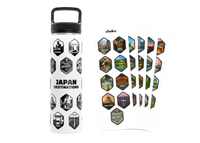
❤️ For first-time Japan visitors, the cheku Japan Destinations I Traveler bucket-list bottle celebrates 27 destinations along the Golden Route — Tokyo neighborhoods and day trips included. A travel guide, souvenir, and reusable bottle rolled into one. Live on Kickstarter until July 26. Reserve yours now at the best prices we'll offer.
What is omiyage food culture in Japan, and why does it shape souvenir choices?
Omiyage is the Japanese practice of bringing back regional food to share — particularly with colleagues — when returning from a trip. Japanese cultural writing on note.com and icotto consistently treats omiyage food as a distinct category with its own design conventions.
The core rules of omiyage food:
- Regional specificity. The food should tie to where the traveler went. Tokyo Banana from a Tokyo trip; Yatsuhashi from a Kyoto trip; Shiroi Koibito from a Hokkaido trip. The regional tie is the entire signal.
- Individually wrapped, distributable. Office-share format dominates. A typical box has 8–18 individually wrapped pieces — enough to distribute one per colleague in a small office.
- Shelf-stable, room-temperature. No refrigeration needed. Most Japanese food souvenir products keep 2–4 weeks unopened at room temperature; some keep months. Refrigerated items are not practical office souvenirs.
- Named-maker accountability. The packaging names the maker (Toraya, Kameya Yoshinaga, Nishiki-do, Akafuku) and often the specific shop or region. Generic Japan-themed boxes without a maker name don't function the same way.
- Mid-range price tier. The standard omiyage box runs ¥800–2,500 — affordable enough to buy multiple, expensive enough to signal real effort.
The cultural function: bringing meibutsu carries information ("I went to Kyoto") that generic food does not. It also serves as the polite gesture covering the work-trip absence — colleagues opened the package, shared the pieces, and the social transaction is complete.
This is why the food souvenir shelves at Tokyo Station, Kyoto Station, Hakata Station, and New Chitose Airport are not chaotic — they're organized by region, by maker, and by typical price tier. Japanese travelers know exactly what they're buying before they arrive.
Which regional Japanese sweets are the canonical food souvenirs?
Regional sweets (meibutsu wagashi and yōgashi) are the largest category in Japan's omiyage food landscape, organized by prefecture and named maker. The All Japan Confectionery Association recognises regional wagashi traditions; Rurubu &more and TABIZINE maintain prefecture-by-prefecture sweet souvenir rankings.
Tokyo and Kanto region:
- Tokyo Banana (¥1,200–1,800). Banana-shaped sponge cake with custard filling. The canonical Tokyo meibutsu sweet. Tokyo Station, Haneda, and Narita branches all sell at the same price.
- Ningyō-yaki (¥800–1,500). Small custard-filled cakes shaped like dolls or shrine figures — an Asakusa Senso-ji specialty.
- Tokyo Rusk (¥600–1,500). Crisp sweet rusks in various flavors, from Gateau Festa Harada (Gunma) and other named makers.
Kyoto and Kansai:
- Yatsuhashi (¥600–1,500). Cinnamon mochi triangles, often with anko or matcha filling. The canonical Kyoto sweet. Otabe, Shogoin, and Honke Nishio are the major makers.
- Uirō (Nagoya, ¥800–1,500). Steamed rice flour cakes in various flavors. Nagoya meibutsu.
- Akafuku (Ise, ¥800–1,500). Mochi covered in red bean paste. The Ise Shrine specialty.
- Funassyu and Osaka sweets. Multiple regional sweets unique to Osaka and Kansai cities.
Hokkaido:
- Shiroi Koibito (¥800–2,500). White-chocolate butter cookies. The canonical Hokkaido sweet, sold at New Chitose Airport and Sapporo Station.
- Royce' Nama Chocolate (¥800–1,500). Premium chocolate from the Royce' factory. Best refrigerated but stable enough for short transport.
- Marusei Butter Sand (¥800–1,500). Butter cookie sandwiches with raisins and cream from Rokkatei.
- Yoichi whiskey (when produced). From Nikka Whiskey's Yoichi distillery (Hokkaido). Premium tier — pushes well above sweet budget.
Hiroshima:
- Momiji Manju (¥800–1,800). Maple-leaf shaped sweet cakes with various fillings. Nishiki-do and Yamadaya are the major makers, sold at Miyajima, Hiroshima Station, and across the prefecture.
Fukuoka:
- Hakata Tōri Mon (¥1,200–1,800). White bean paste in a milky skin. The Hakata Station canonical sweet.
- Mentaiko-flavored products. Mentaiko-flavored rice crackers, Cup Noodle, sweets, and snacks. Fukuoka and Hakata station shops.
Okinawa:
- Chinsuko (¥600–1,500). Shortbread-style biscuits in various flavors, an Okinawa meibutsu.
- Beni-imo (purple sweet potato) sweets. Beni-imo tarts and cakes from Naha and across Okinawa.
Premium wagashi and gift-box makers (gift tier, ¥1,500–4,500):
- Toraya — premium yokan (red bean jelly), wrapped wagashi, dorayaki. The premium gift standard.
- Kameya Yoshinaga and Tsuruya Yoshinobu — Kyoto wagashi makers, premium tier.
- Shogoin Yatsuhashi — premium Kyoto Yatsuhashi.
- Yokumoku — cigar-shaped Cigare biscuits in the blue-and-white box, individually foil-wrapped. The reliable premium biscuit gift, at every depachika. ¥1,500–3,500.
- Akebono — named Tokyo senbei maker; gift-tier rice crackers in shrimp, soy sauce, and traditional flavors. ¥1,500–3,500.
- Named regional senbei makers — premium senbei boxes from Niigata and Sōka (Saitama) senbei traditions. ¥1,500–4,500.
These premium boxes are not the same product as konbini multi-bags. The biscuit dough, the chocolate grade, the wrapping work, and the maker provenance distinguish them. For a hostess gift or formal omiyage where the receiver will notice provenance, the premium tier earns the upgrade; for a casual office-share, the konbini tier below covers it.
Where to buy. Depachika basement food halls (Isetan Shinjuku, Mitsukoshi Nihonbashi, Daimaru Tokyo, Takashimaya Nihonbashi) carry the broadest range of premium and regional wagashi. Major stations (Tokyo Station, Kyoto Station, Hakata Station, Shin-Osaka, New Chitose) carry regional meibutsu sweets at maker counters. Each region's local department stores and station shops carry that region's specialities.
What savory Japan food souvenirs do Japanese people buy?
Savory Japan food souvenirs cluster around regional specialty foods, premium pantry items, and ramen / curry products. Tabelog ranks regional food products by city; jalan.net and note.com cover savory omiyage as a substantive category.
Regional savory specialties:
- Mentaiko (Fukuoka). Spicy cured pollock roe. Sold as mentaiko-flavored rice crackers, Cup Noodle, furikake, dried snacks, and refrigerated mentaiko itself.
- Kobe beef products (when applicable). Premium tier — refrigerated and short shelf life unless processed.
- Hokkaido seafood and dairy. Premium dairy products (Yotsuba butter, Hokkaido cheese), processed seafood (smoked salmon, scallop products).
- Okinawan specialty foods. Awamori (Okinawan rice spirit), beni-imo products, andagi (Okinawan donuts) packaged versions.
- Regional rice (premium grades). Niigata Koshihikari and other premium named-region rice — heavy but distinctive.
Premium pantry items widely brought back:
- Regional soy sauces. Yamaroku (Shodoshima), Kikkoman Naturally Brewed lines, craft soy sauce from named regional makers. ¥800–3,000 per bottle.
- Regional miso. Hatcho (Aichi, dark fermented red miso), white miso (Kyoto), Sendai red miso, awase miso (mixed). ¥800–3,000 per container.
- Yuzu kosho (Kyushu specialty). Citrus-and-chili paste. ¥600–2,500.
- Shichimi togarashi (Japanese seven-spice). Hara Shichimi-ya in Kyoto, Yagenbori in Tokyo. ¥600–2,500.
- Furikake (rice topping). Marumiya, Tanaka, and named regional makers. ¥300–1,500.
- Dashi packs. Kayanoya, Ninben, premium dashi powder and dashi packs. ¥800–3,500.
- Premium wasabi. Real wasabi paste from Shizuoka or Izu growers. ¥1,500–4,500.
Ramen and curry products:
- Japanese curry roux. Vermont Curry, Java Curry, Golden Curry — and regional and specialty curry roux blocks. ¥300–800 per box.
- Cup Noodle Japan-exclusive flavors. ¥278–500 per cup. Japan-only flavors don't appear overseas at the same range.
- Regional ramen partnerships. Hakata ramen, Sapporo ramen, regional ramen-shop partnership instant cups. ¥350–500 per cup.
- Premium instant ramen. Premium instant noodle products from named makers — Sun Noodle, Nagatanien, and others. ¥300–1,500 per pack.
Regional crackers and snacks:
- Senbei (Japanese rice crackers). Iwatsuka, Kameda Seika, regional makers — soy sauce, mentaiko, seaweed, sesame, and other flavors. ¥600–2,500.
- Premium chocolate. Royce' (Hokkaido), Meiji premium lines, regional chocolate makers.
- Kit Kat regional flavors. Japan-exclusive regional Kit Kat flavors (Sakura, Hojicha, Wasabi, Sweet Potato, regional fruit varieties). ¥600–1,500.
What about Japanese tea, sake, and drinks as food souvenirs?
Japanese tea, sake, and drinks form a distinct food-souvenir category with their own named-maker and named-region structure. Ippodo Tea and Japanese drink writing on Discover Japan cover this in depth.
Premium green tea:
- Sencha from named regions. Ippodo (Kyoto), Maruichi (Uji), Tsujiri (Uji), Yame tea (Fukuoka), Shizuoka tea, Sayama tea (Saitama). ¥1,500–8,000 per 100g for premium grades; entry-grade sencha at ¥800–2,000 per 100g.
- Matcha (ceremony-grade). Premium matcha from Uji shops — Marukyu Koyamaen, Yamamasa Koyamaen, Tsujiri, Ippodo. ¥1,800–8,000 per 30g.
- Hojicha and genmaicha. Roasted green tea and brown rice green tea, ¥800–2,500 per 100g.
- Gyokuro. Shade-grown premium green tea, ¥3,000–10,000 per 100g for top grades.
Sake from named breweries:
- Named-brewery junmai daiginjo, daiginjo, junmai. ¥2,500–8,000 per 720ml for premium grades; ¥1,500–3,500 for everyday quality.
- GI sake (geographical indication). GI Hakusan, GI Yamagata, GI Yamanashi, and other regional GI designations.
- Sake from major sake regions. Niigata, Yamagata, Hyogo (Nada and Dassai's Yamaguchi), Hiroshima (Saijo), Akita, Fushimi (Kyoto).
- Local sake brewery shop bottles. Direct from breweries when traveling to sake-producing regions.
Shochu and awamori:
- Imo shochu (sweet potato shochu, Kyushu). Kagoshima and Miyazaki specialties. ¥1,500–4,500 per bottle.
- Mugi shochu (barley shochu, Oita and across Kyushu). ¥1,500–3,500 per bottle.
- Awamori (Okinawan rice spirit). ¥1,500–4,500 per bottle for everyday grades.
Japanese whiskey:
- Premium tier. Yamazaki, Hakushū, Nikka Yoichi, Nikka Miyagikyo — most are now premium pricing (¥10,000+ per bottle for limited editions).
- Accessible Japanese whiskey. Suntory Toki, Hibiki entry-level, Nikka From the Barrel. ¥2,500–4,500.
Coffee from Japanese specialty roasters. Blue Bottle Japan, % Arabica, Maruyama Coffee, Onibus Coffee — packaged whole-bean coffee at ¥1,500–3,500 per bag.
Where to buy. Depachika beverage floors (department store basements), Bic Camera and Yodobashi liquor departments (extensive sake selection), specialist sake shops, Ippodo Tea in Kyoto and Tokyo, named tea shops in Uji and Shizuoka, and Tokyo Station's Daimaru and the Granstar Tokyo beverage area.
Free for you: our Tokyo Google Maps list We keep a Google Maps list of the must-see spots around Tokyo — depachika worth the detour, named sake shops, specialist tea counters, premium chocolate shops, and the major station food gift areas. Drop your email and we'll send it over.
Which Japanese omiyage snacks are worth bringing back?
The Japanese snack omiyage system runs across three tiers, and the mass-market tier is where tourists get the most upside per yen. Tier 1 is the regional meibutsu boxes covered above (Tokyo Banana, Yatsuhashi, Shiroi Koibito — the office-share standard at ¥1,200–2,500). Tier 2 is the premium named-maker boxes (Yokumoku, Akebono, Toraya — the formal-gift tier at ¥1,500–3,500). Tier 3 is the mass-market Japan-exclusives below, at ¥150–700, sold everywhere and tracked obsessively by Japanese consumer platforms like MogNavi.
The makers publish their release calendars on their official sites, and the Japan-exclusive flavors are the ones worth packing:
KitKat Japan (Nestlé Japan). Sakura (spring), Hojicha, Sweet Potato (autumn), Wasabi, Matcha, Sake, Strawberry Cheesecake, and regional fruit flavors by prefecture. ¥600–1,000 per multi-bag. The KitKat Chocolatory shops (Ikebukuro Seibu flagship) sell genuinely different premium pieces at ¥350–800 each.
Pocky and Pretz (Glico). Regional and seasonal flavors: Kyoto Uji Matcha, Hokkaido Yubari Melon, Tokyo Strawberry, prefecture fruit varieties. ¥150–500 per box.
Hi-Chew (Morinaga). Japan-exclusive soft chews in seasonal and regional flavors: Sakura, Yuzu, Mango, Lychee. ¥200–500 per pack.
Kameda Kaki no Tane. Crescent-shaped rice crackers with peanuts. The Japanese drinking-snack standard and a cult item in domestic snack culture. ¥200–500.
Calbee. Jagariko and Jagabee potato sticks in regional flavors (mentaiko, butter-soy, cheese), plus Japan-exclusive chip flavors: wasabi, ume-shiso, mentaiko mayo. ¥200–500.
Meiji. Kinoko no Yama and Takenoko no Sato, the cult chocolate-and-biscuit snacks whose which-is-better debate is a genuine Japanese culture point (¥300–700), plus Apollo strawberry chocolate (¥200–500).
Bourbon and Lotte. Alfort (chocolate panels printed with ship designs), Lumonde, Toppo, Pie no Mi, Koala's March. ¥200–500 per pack.
Where to buy the snack tier. Konbini (7-Eleven, Lawson, FamilyMart) for the freshest seasonal range; Don Quijote for the full range plus tax-free shopping; supermarkets (Aeon, Ito Yokado) for the best pricing on standard SKUs.
Which seasonal Japanese snacks should you watch for?
Konbini chains release new SKUs every few weeks, and the limited editions disappear when the season ends — buying during the season is the only window. The quarterly pattern Japanese consumer media tracks:
Spring (March–May) → Sakura everything (KitKat, Pocky, Hi-Chew, senbei) plus Tochiotome strawberry releases and hanami-themed assortments. Summer (June–August) → Ramune (marble-soda) flavors across categories, watermelon and shaved-ice editions. Autumn (September–November) → Sweet Potato KitKat is the standard, plus chestnut (kuri) wagashi and harvest-themed releases. Winter and New Year (December–February) → premium strawberry and chocolate releases, plus the depachika year-end gift assortments (oseibo / お歳暮).
By the time you're home, the seasonal editions are gone from Japanese shelves too — which is exactly what makes them good gifts.
What supermarket pantry souvenirs are worth bringing back?
The supermarket tier produces some of the most under-rated Japan food souvenirs — inexpensive pantry products that don't appear overseas at the same range. Japanese food writing on note.com and Tripnote covers this as a substantive low-cost category.
Supermarket-tier (¥300–1,500):
- Japanese curry roux blocks (Vermont, Java, Golden Curry). ¥300–600 per box.
- Instant miso soup packs and dashi packs. ¥400–1,500 per pack.
- Japanese curry instant pouches. ¥300–600 per pouch — heat-and-eat curry meals.
- Premium Cup Noodle regional flavors. ¥278–500 per cup.
- Bottled Japanese sauces. Bulldog tonkatsu sauce, Otafuku okonomiyaki sauce, Kewpie mayonnaise — all distinctly Japanese formulations.
- Furikake (rice topping) packs. Marumiya Noritama, Tanaka, regional makers. ¥200–800 per pack.
- Japanese tea bags (mid-tier). Ito-en, Yamamotoyama — ¥400–1,500 per pack.
Don Quijote — the convenience store-cum-supermarket hybrid. Don Quijote (Don-Don-Donki) branches in major tourist districts carry an extensive food souvenir section. The selection covers konbini-tier flavors, mid-tier specialties, and regional products at competitive prices. Open late hours.
How does Japanese office-share food omiyage actually work?
The Japanese office-share omiyage format shapes which food souvenirs work and which don't — individually wrapped, distributable, room-temperature, mid-budget per piece. Japanese workplace writing on note.com covers this as cultural infrastructure.
The standard office-share omiyage box:
- 8–24 individually wrapped pieces. Enough to distribute one per colleague.
- ¥1,200–2,500 per box. The standard budget — affordable enough to buy multiple, signals real effort.
- Identifiable region on packaging. The colleagues should immediately see where the trip was.
- Room-temperature, 2-4 week shelf life. No refrigeration; survives the office.
- Easy to share. No cutting, no plating, just open the box and pass it around.
The format affects which products work:
- ✅ Works well as office omiyage: Tokyo Banana (8 individually wrapped pieces), Yatsuhashi (10–15 wrapped pieces), Shiroi Koibito (12–24 wrapped cookies), Momiji Manju (8–10 wrapped pieces), Hakata Tōri Mon (10–14 wrapped pieces), individually wrapped regional rice crackers.
- ❌ Doesn't work as office omiyage: Large cakes (require cutting), refrigerated items (impractical), bulk loose tea (not pre-portioned), full sake bottles (not distributable), heavy/large items.
The regional reading:
When a Japanese colleague returns to their desk and a Tokyo Banana box is waiting in the office kitchen, the social information is complete: - The colleague went to Tokyo (regional signal). - They thought about the office while away (gesture signal). - They put in standard effort (budget signal).
This implicit reading is why generic "Japan" branded boxes don't work as omiyage. They carry no regional signal and read as effort-saving rather than thoughtful. Japanese travelers know this; foreign-targeted airport souvenir shops often don't.
How do Japan food souvenirs compare across categories?
| Category | Top picks | Price range | Where to buy |
|---|---|---|---|
| Regional sweets | Tokyo Banana, Yatsuhashi, Shiroi Koibito, Momiji Manju, Hakata Tōri Mon | ¥800–2,500 | Major stations, depachika, regional makers' shops |
| Premium wagashi | Toraya, Kameya Yoshinaga, Tsuruya Yoshinobu | ¥1,500–4,500 | Depachika, premium maker shops |
| Regional savory | Mentaiko products, Yamaroku soy sauce, Hatcho miso | ¥600–3,500 | Depachika food halls, specialist food shops |
| Premium tea | Ippodo, Marukyu Koyamaen, Tsujiri, named-region sencha and matcha | ¥800–8,000/100g | Ippodo Kyoto/Tokyo, depachika, Uji tea shops |
| Sake | Named-brewery junmai daiginjo, regional sake | ¥1,500–8,000/720ml | Depachika beverage, Bic Camera/Yodobashi, sake specialist shops |
| Specialty pantry | Yuzu kosho, shichimi togarashi, furikake, dashi packs | ¥300–3,500 | Depachika, regional food shops |
| Curry roux and ramen | Vermont/Java/Golden Curry, regional Cup Noodle | ¥278–800 | Supermarkets, konbini, Don Quijote |
| Konbini snacks | Pocky regional, KitKat regional, Kaki no Tane | ¥150–600 | Konbini (7-Eleven, Lawson, FamilyMart), Don Quijote |
| Premium chocolate | Royce' Nama Chocolate, Meiji premium lines | ¥800–2,500 | Depachika, Royce' factory shops |
| Kit Kat regional | Sakura, Hojicha, regional fruit flavors | ¥600–1,500 | Konbini, Don Quijote, supermarkets |
| Best for | Office-share omiyage (the dominant format) | One box of regional meibutsu + one regional savory covers most colleagues | Tokyo Station / Hakata Station / Kyoto Station + nearby depachika |
How do you plan a Japan food souvenir shopping run?
The most efficient Japan food souvenir run combines a major station shop, a depachika, and (optionally) Don Quijote for konbini-tier products. Japanese travel writing on Tripnote and Rurubu &more consistently recommends this two-or-three-stop combination.
Tokyo: - Tokyo Station — Daimaru basement and Granstar Tokyo level for regional meibutsu sweets (Tokyo Banana, regional rusks), premium tea, and packaged regional foods. - Depachika (Isetan Shinjuku, Mitsukoshi Nihonbashi, Daimaru Tokyo, Takashimaya Nihonbashi) — premium wagashi, named soy sauce and miso, specialty pantry, premium tea, sake. - Don Quijote (Shibuya, Shinjuku, Asakusa branches) — konbini-tier snacks, supermarket-tier pantry, mid-tier sake at slight discount, late-hours buying.
Kyoto: - Kyoto Station — Yatsuhashi maker shops, regional sweets, named tea counters. - Nishiki Market — specialty pantry foods, traditional preserves, regional specialties, named tea shops. - Depachika at Daimaru Kyoto, Takashimaya Kyoto — premium wagashi, named makers, sake.
Hakata / Fukuoka: - Hakata Station — Hakata Tōri Mon, mentaiko-flavored products, premium chocolate (Royce' branches), regional sweets.
At airports: - Haneda T2 and T3 — Tokyo Banana maker counters, regional meibutsu sweets from various prefectures, premium tea, sake selection. - Narita T1, T2 — similar selection to Haneda, with a strong regional sweet section at central concourse. - New Chitose (Sapporo) — Shiroi Koibito, Royce', Hokkaido sweets, Hokkaido seafood products. - Kansai International (Osaka) — Kyoto, Osaka, Nara regional sweets.
❤️ The Tokyo Travel Guide walks first-time visitors through Tokyo's depachika and major-station food gift areas — where Japanese travelers themselves shop for regional meibutsu and named-maker pantry goods.
FAQ
What food can I bring back from Japan? The Japan food souvenirs that travel best in luggage and pass through customs cleanly: individually wrapped regional sweets (Tokyo Banana, Yatsuhashi, Shiroi Koibito, Momiji Manju — all keep 2–3 weeks unrefrigerated), packaged regional rice crackers, vacuum-sealed wagashi (Toraya yokan and others), Japanese curry roux blocks, instant ramen and Cup Noodle, premium green tea (sealed tins keep months), sake and shochu (check airline alcohol limits — usually under 5L per traveler for personal use), regional soy sauces and miso (in sealed bottles), specialty seasonings (yuzu kosho, shichimi togarashi), and dried items like furikake and dashi packs. Avoid: fresh foods, refrigerated items unless traveling short distances, anything customs-restricted at your destination country (check meat and dairy rules specifically).
What Japanese omiyage snacks do people actually gift? The omiyage snack gifts Japanese people actually use cluster around three tiers: regional meibutsu sweet boxes (Tokyo Banana, Yatsuhashi, Shiroi Koibito, Momiji Manju, Hakata Tōri Mon — ¥1,200–2,500, the office-share format), named-maker premium boxes (Yokumoku cigar biscuits, Akebono rice crackers, Toraya yokan — ¥1,500–3,500), and seasonal mass-market snacks (seasonal KitKat, Pocky, and Hi-Chew releases). The format is consistent across tiers: individually wrapped, room-temperature, mid-budget, named producer.
Are KitKat flavors in Japan worth buying as souvenirs? Yes. Nestlé Japan releases regional and seasonal flavors that don't appear overseas: Sakura in spring, Hojicha, Sweet Potato in autumn, Wasabi, Matcha, Sake, and regional fruit flavors by prefecture. Multi-bag mainstream flavors run ¥600–1,000 at konbini, supermarkets, and Don Quijote. The KitKat Chocolatory (Ikebukuro Seibu flagship) sells genuinely different premium pieces at ¥350–800 each.
What food souvenir is most popular from Japan? By Japanese domestic frequency, Tokyo Banana is the most-bought single food souvenir for return-trip omiyage — its regional specificity, individual wrapping, mid-budget pricing (¥1,200–1,800 per box), and broad availability across Tokyo stations and airports make it the default Tokyo-trip omiyage. Beyond Tokyo Banana, Shiroi Koibito (Hokkaido), Yatsuhashi (Kyoto), Momiji Manju (Hiroshima), and Hakata Tōri Mon (Fukuoka) are the canonical regional equivalents for those destinations.
Can you bring Japanese sweets through airport security and customs? Yes, in nearly all cases. Sealed Japanese sweets in original packaging are routinely brought through airport security in both carry-on and checked luggage. The customs question depends on your destination country — most jurisdictions accept commercially packaged sweets, biscuits, and chocolate without issue. The exception is animal-product content (some imported biscuits use butter or dairy that triggers customs declarations in countries with strict import rules — Australia and New Zealand most notably). Check your destination country's customs rules if traveling to a strict-import country. The Japanese-source food categories most likely to trigger customs issues: fresh seafood (mentaiko), fresh meat products, dairy products, and certain plant materials. Shelf-stable sweets, sealed tea, packaged ramen, and dry pantry goods are nearly always fine.
Where do Japanese people themselves buy food souvenirs? Japanese travelers buy food omiyage at three main channels: depachika food halls (department store basements — Isetan, Mitsukoshi, Daimaru, Takashimaya carry the broadest premium selection); major train stations (Tokyo Station, Kyoto Station, Hakata Station, Shin-Osaka, Nagoya, Sendai — each carries its own region's meibutsu plus a national selection); and direct-from-region maker shops when at the source. Airports are a secondary purchase channel — fine for the canonical meibutsu sweets (Tokyo Banana, Shiroi Koibito) but not the deeper specialty range. Generic souvenir shops at tourist districts are rarely used by Japanese consumers.
What is the difference between meibutsu food and generic Japan food souvenirs? Meibutsu (名物) is the Japanese system for organizing authentic regional food specialties. Every prefecture and major city has its meibutsu — Tokyo Banana is a Tokyo meibutsu; Yatsuhashi is a Kyoto meibutsu; Mentaiko is a Fukuoka meibutsu; Shiroi Koibito is a Hokkaido meibutsu. The product is tied to a specific region and a named maker, and the cultural function is the regional signal — bringing it back says "I went there." Generic "Japan" branded food souvenirs (boxes labeled "Japan" or "Made in Japan" without a specific maker or region) carry no regional signal and don't function in the omiyage system Japanese people actually use.
For the broader picture of which Japanese souvenirs are iconic versus tourist marketing, and the omiyage gift-giving culture across all categories, the Japan souvenirs guide is the deep-dive companion piece.
Sources
- MogNavi — Japanese consumer review platform for konbini and supermarket new products
- Glico Japan — official product listings: Pocky, Pretz
- Calbee — official product listings: Jagariko, Jagabee
- Meiji — official product listings: Kinoko no Yama, Apollo
- Nestlé Japan KitKat — official KitKat Japan site, Chocolatory
- Morinaga — official product listings: Hi-Chew
- Bourbon — official product listings: Alfort, Lumonde
- Lotte Japan — official product listings: Toppo, Pie no Mi
- Tabelog — Japan's largest restaurant and food review platform, regional food specialty rankings
- All Japan Confectionery Association — industry body for traditional Japanese sweets and regional wagashi recognition
- Ippodo Tea — premium Japanese green tea retailer, named-region sencha and matcha from Uji and Kyoto
- Discover Japan — Japanese culture magazine, named food maker journalism and regional food traditions
- jalan.net — Japan domestic travel platform, regional food souvenir rankings by prefecture
- Rurubu &more — JTB Publishing's travel media, regional meibutsu and prefecture-specific food guides
- TABIZINE — online Japanese travel magazine, food omiyage features and regional rankings
- Tripnote — Japanese travel guide platform, food souvenir lists by region
- icotto — Japanese women's lifestyle media, food gift features and omiyage guides
- note.com — Japanese longform lifestyle writing on omiyage culture and named-maker food
Activities and tours in Tokyo
cheku is a GetYourGuide partner. We link to tours that handle the parts of travel that eat your time, getting there, booking ahead, language, context you'd otherwise miss. If you book through our link, we earn a small commission at no extra cost to you.


