
A Mount Fuji day trip from Tokyo is a viewing trip, not a climb. The base is Lake Kawaguchiko, two hours from Shinjuku by direct train (¥4,200) or highway bus (¥2,200). See Fuji from the Chureito Pagoda, the north lakeshore, or the 5th Station, and go on the clearest morning you have, because the mountain hides more often than guides admit.
The most important thing to know about a Mount Fuji day trip from Tokyo is what it actually is. It is not a climb, and it is not a bullet-train ride. It is a two-hour trip to the Fuji Five Lakes, a choice between three ways of getting there, and a bet on the weather that you can stack in your favor.
Japanese travel media plans this day differently from most English guides. The standard model course in Activity Japan's Kawaguchiko feature leaves Shinjuku at 8:15, arrives by 10:00, and runs on the local sightseeing bus rather than a rented car. This guide follows that logic, with real fares, an hour-by-hour plan, and the honest cloud maths.
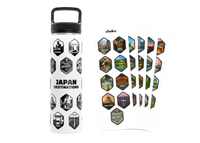
Mount Fuji is one of the destinations on the Traveler Bottle, the bucket-list bottle we built for first-time visitors planning a route. Here is how to give the mountain its best chance to show up for you.
Is a Mount Fuji day trip from Tokyo worth it?
Yes, if you treat it as a viewing trip and accept the weather risk. From the Lake Kawaguchiko area you get Japan's most iconic view from the lakeshore, the Chureito Pagoda and the 5th Station. The catch is cloud: Fuji is hidden often, so a clear sighting is never guaranteed.
A Fuji day trip is worth it for a simple reason: there is no substitute for standing in front of the mountain. Photographs do not prepare you for the scale of it rising alone above the lakes.
The honest version includes the risk. A full Fuji day runs roughly 10 to 12 hours door to door, per Japan Ichiban Tours, and there are days when the mountain never appears. If a guaranteed view is essential, go on the clearest forecast day of your trip and keep a backup date if you can.
For most travelers the gamble pays. Even a partial view, the summit floating above a band of cloud, is memorable. Go in with clear expectations rather than the postcard in your head.
Train, bus, or tour: what is the best way to get to Mount Fuji?
There is no bullet train to Mount Fuji. The direct options are the Fuji Excursion limited express from Shinjuku to Kawaguchiko (about 2 hours, ¥4,200, reserved seats only) and highway buses from Shinjuku, Tokyo Station or Shibuya (¥2,200 to ¥2,300). Guided coach tours trade money for zero logistics.
First, the misconception the search bar keeps surfacing: no shinkansen serves the Fuji Five Lakes. The Tokaido Shinkansen gives you a passing window view of Fuji on the way to Kyoto, which is a different thing entirely. To spend the day at the mountain, you want Kawaguchiko.
Per japan-guide.com's access page, these are the real numbers:
| Fuji Excursion (train) | Highway bus | Guided tour | |
|---|---|---|---|
| Route | Shinjuku → Kawaguchiko, direct | Shinjuku, Tokyo Sta or Shibuya → Kawaguchiko | Hotel or station pickup, coach loop |
| Time | About 2 hours | 2 hours (2.5 from Shibuya) | Full day, fixed schedule |
| Cost | ¥4,200 one way, reserved seats mandatory | ¥2,200 from Shinjuku, ¥2,300 from Tokyo Sta/Shibuya | Varies by operator |
| Booking | Sells out on clear-forecast weekends, book ahead | About twice hourly from Shinjuku, book ahead on weekends | Book days ahead in peak season |
| Best for | Comfort and reliability, no traffic risk | Budget trips, ¥4,400 round trip | First-timers who want zero logistics |
| Note | JR Pass not valid (JR Tokyo Wide Pass is) | Road traffic can stretch times on holidays | You give up the houtou lunch and timing control |
Two practical warnings from the Japanese side of the planning. Reserved seats on the Fuji Excursion and weekend buses genuinely sell out ahead of clear-forecast days, so book as soon as you commit to a date. And the JR Pass does not cover the train, a detail that surprises people who assumed Fuji was included in their pass maths.
First visit and you'd rather not manage trains, buses and timing: a guided coach tour is the honest choice. You trade the local lunch and flexibility for a fixed loop of the best viewpoints with zero logistics. Comfortable with Japanese transit: do it yourself. The DIY version is cheaper, faster on the ground, and eats better.
Where do you actually see Mount Fuji?
The three classic vantage points are the Chureito Pagoda, where a five-story pagoda frames the mountain; the northern shore of Lake Kawaguchi, especially Oishi Park, for Fuji reflected across water; and the Fuji Subaru Line 5th Station, the highest point reachable without climbing.
"Seeing Fuji" is not one thing. The mountain looks completely different depending on where you stand, so choose deliberately.
The Chureito Pagoda is the most photographed Fuji viewpoint of all. Japan-guide.com describes it as a five-story pagoda built as a peace memorial in 1963, part of Arakura Sengen Shrine, reached by climbing roughly 400 steps. Around 650 cherry trees line the slope, which is why the pagoda-and-Fuji frame in mid-April is so famous.
The northern shore of Lake Kawaguchi gives you the reflection view, Fuji mirrored in still water, with Oishi Park adding flower beds in the foreground. The Mount Fuji Panoramic Ropeway climbs to a viewing deck at 1,075 meters if you want the higher angle without a hike.
The Fuji Subaru Line 5th Station is the up-close option: about a one-hour seasonal bus ride from Kawaguchiko Station, and as high as you can get without climbing gear and a summer date.
| Chureito Pagoda | Lake Kawaguchi north shore | 5th Station | |
|---|---|---|---|
| What you get | Pagoda framing Fuji | Fuji reflected over water | Fuji up close, from altitude |
| Best for | The iconic photo, cherry season | Calm lakeside scenery | Feeling the scale of the mountain |
| Access | 10 min walk from Shimo-Yoshida Station | Red Line bus around the lake | ~1 hour seasonal bus from Kawaguchiko |
| Note | Around 400 steps up | Best in calm, clear morning air | Check seasonal road status |
What does a realistic one-day itinerary look like?
Leave Shinjuku a little after 8:00, do the Chureito Pagoda before Kawaguchiko, be seated for a houtou lunch before 11:30, spend the afternoon on the north shore with a ¥1,500 one-day bus pass, and start back around 17:00. That is the shape Japanese model courses use, and it works.
The timing below follows the Japanese model course, adjusted for the pagoda stop.
8:15, Shinjuku. The morning Fuji Excursion has you in the Fuji area by about 10:00, per the Activity Japan model course. Sit on the right side for early Fuji glimpses.
9:45, Shimo-Yoshida. Get off two stops before Kawaguchiko for the Chureito Pagoda while the morning air is still clear. Ten minutes' walk, 400 steps, take your time.
11:15, Kawaguchiko Station. Buy the Omni Bus one-day pass, ¥1,500, at the station office. The Red Line loops the lake's south and north shores every 15 minutes, so the pass pays for itself by the third stop.
Before 11:30, lunch. Houtou, and early. More on this below.
13:00 to 16:30, the north shore. Oishi Park for the flower-foreground view, the ropeway deck if you want altitude, and the lakeshore itself, which is the simplest pleasure of the day: cafes, parks, and the mountain doing its slow weather theater across the water.
17:00, back to the station. Evening trains and buses fill first on weekends. Book your return leg in the morning if you have not already.
If you would rather see Oshino Hakkai, the village of eight spring-fed ponds between Lakes Kawaguchi and Yamanaka, swap it for the ropeway. It is genuinely pretty and genuinely busy, and japan-guide.com covers it honestly as both.
Free for you: our Tokyo Google Maps list We keep a Google Maps list of the must-see spots around Tokyo - restaurants, cafes, shops, viewpoints, and streets worth the detour. Drop your email and we'll send it over.
What should you eat in Kawaguchiko?
Houtou, the Yamanashi noodle stew: flat wheat noodles simmered with pumpkin and vegetables in miso broth. The local rule is to be seated before 11:30 in season, because every houtou place around the lake fills by noon.
Houtou is the reason to eat lunch at the lake rather than out of a station bag. Thick hand-cut noodles, pumpkin, miso, a pot that steams like a hot spring. It is the region's dish and everywhere serves it.
The queue maths comes from Japanese diners, not from us. A Retty reviewer at Tsujiya puts it plainly: in top season every place is packed, so you want to be inside before 11:30. Their workaround is the one we would give you: Tsujiya sits on the lakeside onsen strip, twenty minutes' walk from the station, and that inconvenient location is exactly why it still has zashiki seats free at noon while the famous names queue.
For the true believers: a Tabelog reviewer who spent more than 25 years comparing houtou across the region gives their final verdict to Tenkachaya, up the Misaka road above the lake, for the nameko mushroom houtou and the view. The honest caveat: it is realistically car-only, so file it for the trip when you have wheels.
Can you climb Mount Fuji on a day trip?
No. The official climbing season is only July to early September, and the summit is an overnight effort with a mountain-hut stop. A day trip is for viewing. The 5th Station is as high as a day-tripper goes.
This is the most common misunderstanding about a Fuji day, so it is worth stating plainly.
Climbing Fuji is a serious, seasonal undertaking: partway up, overnight in a hut, summit before dawn. None of that fits a day trip from Tokyo. What a day-tripper can do is ride the seasonal bus to the Subaru Line 5th Station, stand on the mountain's actual slope, and look up at the last 1,400 vertical meters with appropriate respect.
The named trails you may have read about, Yoshida, Subashiri, Gotemba, matter only if you are planning a real ascent in summer. For a viewing day, Kawaguchiko and the 5th Station are all the access you need.
When should you go, and what if Fuji hides?
Late autumn through winter is the most reliable viewing season, and mornings beat afternoons all year. If the summit stays wrapped, the Japanese backup plan is a Fuji-view onsen: at Benifuji-no-yu on Lake Yamanaka, winter dawns can turn the mountain red.
The colder months are when Fuji shows most often, and cloud builds through every afternoon as the air warms, which is why this itinerary front-loads the viewpoints. Summer is climbing season and haze season at once. Whatever the month, pick the clearest forecast day your trip allows.
And if the mountain sulks anyway, do what Japanese day-trippers do and get in the water. Rurubu's Fuji-view onsen roundup leads with Benifuji-no-yu on Lake Yamanaka, named for the beni-fuji, the red Fuji that appears before dawn on winter days, with outdoor baths facing the mountain. A soak with even a cloud-capped Fuji in front of you beats a fourth hour of waiting at a viewpoint.
The photographer's note: Fuji is a patience subject. It is most likely to be clear in the first hours after sunrise, so arrive early. At the Chureito Pagoda the classic frame stacks three layers, pagoda, blossom or autumn color, and the mountain, so a slightly longer lens that compresses them works better than a wide one. On the lake, look for a windless morning, when the water goes mirror-flat and doubles the mountain. And if the summit is in cloud, wait. Fuji often clears for a few minutes at a time, and the shot is the one you get when it does.
Should you do Fuji or Hakone?
Fuji (Kawaguchiko) if seeing the mountain up close is the point. Hakone if you want a full resort day, onsen, museums and a ropeway, with Fuji as a possible bonus in the distance.
The mountain is why you came: Kawaguchiko. Closer views, the pagoda, the lakes, and the itinerary above. You want a varied day out with a maybe-Fuji: Hakone. Art museums, Lake Ashi, sulphur valley, onsen. Fuji appears across the lake only on clear days.
Either way, the mountain rewards the early start. For the rest of the region's options, our guide to the best day trips from Tokyo compares them, and Kamakura is the right pick for a temple-and-coast day.
If you want the day handled end to end, the Mt Fuji day tour with Kawaguchiko highlights is the version we would point a first-timer to: it strings the lake, the viewpoints and the seasonal stops into one coach day, and on clear-forecast weekends, when trains and buses sell out, it is sometimes the only way left to get there. Check the current route before booking, as stops change by season.
Mount Fuji is exactly the kind of destination the Traveler Bottle was built around: the view that defines a first trip to Japan. Go on a clear morning, book the early train, and give the mountain its best chance to show up.
FAQ
Is a Mount Fuji day trip from Tokyo worth it?
Yes, if you treat it as a viewing trip rather than a climb. From the Lake Kawaguchiko area you get the lakeshore, Chureito Pagoda and 5th Station views, all reachable in a two-hour direct train or bus from Shinjuku. The honest caveat is cloud: Fuji hides often, so plan for the clearest forecast day you have and go early.
Can you take the bullet train to Mount Fuji?
Not directly. No shinkansen line serves the Fuji Five Lakes. The direct options from Tokyo are the Fuji Excursion limited express from Shinjuku to Kawaguchiko, about 2 hours and ¥4,200 with mandatory seat reservations, or highway buses from Shinjuku, Tokyo Station or Shibuya for ¥2,200 to ¥2,300. The Tokaido Shinkansen only passes views of Fuji on the way to Kyoto.
How much does a Mount Fuji day trip from Tokyo cost?
Doing it yourself, budget roughly ¥7,000 to ¥10,000: ¥4,400 round trip by highway bus (or ¥8,400 by direct train), a ¥1,500 one-day sightseeing bus pass in Kawaguchiko, and lunch. Guided coach tours from Tokyo typically cost more than the DIY version but include all transport and a fixed set of viewpoints.
Can you climb Mount Fuji on a day trip?
No. The official climbing season is only July to early September, and the summit is an overnight effort with a mountain-hut stop. A day trip is for viewing Fuji. The Subaru Line 5th Station, about a one-hour seasonal bus ride from Kawaguchiko Station, is as high as a day-tripper goes.
When is the best time to see Mount Fuji clearly?
Late autumn through winter gives the most reliable views, and mornings beat afternoons year-round because cloud builds as the day warms. Summer is climbing season but the haziest for viewing. Whatever the month, go on the clearest forecast day of your trip and treat a full view as a bonus.
Sources
- japan-guide.com — Fuji Five Lakes access — Fuji Excursion fare and reservations, highway bus fares, Omni Bus passes
- japan-guide.com — Fuji Five Lakes — Oshino Hakkai, ropeway, 5th Station bus
- japan-guide.com — Chureito Pagoda — history, steps, cherry trees, access
- Activity Japan — Kawaguchiko model course — Shinjuku 8:15 timing, one-day bus pass, ropeway deck at 1,075 m
- Retty — Tsujiya, Kawaguchiko — the before-11:30 houtou rule and the off-peak lakeside option
- Tabelog — Tenkachaya — a 25-year houtou comparison's verdict, car-only access
- rurubu — Fuji-view day-trip onsen — Benifuji-no-yu and the winter red-Fuji dawn
- MATCHA (Japanese edition) — day trips — Japanese day-trip framing, direct Shinjuku train
- Japan Ichiban Tours — Mount Fuji day trip — 10 to 12 hours door to door
Activities and tours in Tokyo
cheku is a GetYourGuide partner. We link to tours that handle the parts of travel that eat your time, getting there, booking ahead, language, context you'd otherwise miss. If you book through our link, we earn a small commission at no extra cost to you.


