
The best things to do in Shibuya span one of the world's most-photographed intersections, a 229-meter outdoor rooftop, six floors of anime merchandise, and a neighborhood of quiet backstreet cafés that most visitors never find. We live in Tokyo and photograph it. Here's what we'd actually do there, and why.
Shibuya rewards both the first-timer and the repeat visitor, but for completely different reasons. If it's your first trip, the things most guides tell you to do in Shibuya are genuinely worth doing. The crossing at rush hour. Shibuya Sky at sunset. The organized chaos of Shibuya 109. They're famous because they deliver.
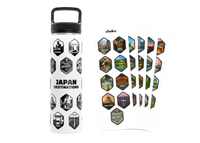
If you're planning your Japan route and want a way to track the destinations you hit, Shibuya included, the Traveler Bottle maps 27 of the key Japan stops in one piece, designed for first-time visitors building a two-week itinerary.
After seven years living and shooting in Tokyo, here's our honest guide: what's worth your time, what you can skip, and what most Shibuya guides don't mention.
What makes Shibuya worth a full day?
Shibuya earns a full day because it's four different neighborhoods layered into one, the crossing area, the shopping strip, the quieter south side, and the backstreet districts, all walkable from the same station. In 2026, the south side around Sakuragaoka has finally opened after years of construction, adding 37 shops and restaurants to what was previously a building site.
Shibuya sits at the southern point of the Yamanote Line loop, one stop from Harajuku and two from Shinjuku. That position makes it a natural anchor, you can start here and reach two or three neighboring areas without retracing your steps.
The area divides into four walkable zones:
| Zone | What it's for | Time to allow |
|---|---|---|
| East of station | Scramble Crossing, Scramble Square, Shibuya Sky | 2–3 hours |
| West / northwest | Shibuya 109, Parco, Center Gai, food | 2–4 hours |
| South | Nonbei Yokocho, Sakuragaoka, Sakura Stage | Evening |
| Further out (10–15 min walk) | Meiji Shrine, Yoyogi Park, Okushibuya backstreets | Half day |
Most visitors spend their time in the first two zones and miss the other half of what Shibuya actually is.
What should you do at Shibuya Crossing?
Cross it during the evening rush (5–8pm on weekdays), then find a window position above it, either the Starbucks on the second floor of the Tsutaya building or Shibuya Sky on the 45th floor, to see it from a different angle. The crossing itself takes 30 seconds to walk. The experience is entirely about timing and position.
The Shibuya Scramble Crossing is the world's busiest pedestrian intersection. When the lights change, pedestrians cross from every direction simultaneously. At peak weekday evenings, up to 3,000 people cross in a single cycle. The spectacle is real.
Three things most guides miss:
The best time isn't actually peak hour. A rainy weekday afternoon is the sweet spot. You get high foot traffic and the visual drama of a thousand umbrellas, but none of the shoulder-to-shoulder weekend crush. The crossing doesn't empty; it just becomes manageable.
Being above it is better than being in it. The Starbucks on the second floor of the Tsutaya building gives you a direct window-seat view over the crossing. It fills fast, get there before the crowd does. Shibuya Sky, 229 meters up, gives you the full city-scale overhead shot. Both work differently and are worth doing at different times.
Early morning is underrated. Before 8am, the crossing is quiet enough to photograph with space around you, and the neon is still on. If you want the empty-intersection photo without a 4am alarm, 6:30–7:30am on a weekday is a reliable window.
The Hachiko statue sits in the square in front of the Hachiko Exit of Shibuya Station. It is always busy. For photos: same as the crossing, before 8am or late at night.
Is Shibuya Sky worth it?
Yes. At ¥3,000–3,700, Shibuya Sky is one of the best observation decks in Tokyo because it's fully outdoor, no glass ceiling above you, 229 meters up with a 360-degree view. The slot 30 minutes before sunset sells out days in advance. Book online; don't count on walk-up tickets for the good time slots.
Shibuya Sky sits on the 45th and 46th floors of Shibuya Scramble Square, the newest major tower in the area. The outdoor rooftop deck has glass barriers at the edges but no roof, you're fully exposed to the sky, which makes it unlike the enclosed decks at Tokyo Tower or Skytree.
Practical details: - Tickets: ¥3,000 before 3pm, ¥3,700 from 3pm onward. Children under 5 free. - Hours: 10:00–22:30, last admission 21:20. - Advance booking: The sunset slots sell out days ahead in normal season, weeks ahead in December and Golden Week. Book at the official site. - Time to allow: 90 minutes covers it comfortably. No forced exit once inside. - Best months: April (cherry blossom season), October–November (clear autumn skies). December gives city lights and the occasional Fuji view on clear mornings.
The photographer's eye: In autumn, the light between 4:30 and 5:30pm turns the glass towers around Shibuya copper and orange. Position yourself on the western side of the rooftop to catch the Fuji silhouette, the mountain sits just above the skyline on clear winter mornings. At night, look straight down at the crossing: from 229 meters, the crossing's scale and the density of Shibuya's neon district resolve in a way that ground-level photos never quite capture. Shoot wide; the city deserves the full frame.
Where is the best shopping in Shibuya?
Shibuya has three distinct shopping registers: Shibuya 109 and Center Gai for Japanese streetwear and youth fashion; Shibuya Parco for anime, gaming merchandise, and design-forward brands; and Omotesando Hills for luxury. All three are walkable from the station and serve completely different purposes.
Shibuya's shopping is more layered than it looks from the crossing. Here's how to navigate it without wasting time:
Shibuya 109, the cylindrical building visible from the crossing, has been Tokyo's young women's fashion reference since 1979. It runs from gyaru-style cute to edgy streetwear. Worth a floor or two even if you're not buying; it's a live cross-section of what's actually selling in Tokyo youth fashion right now.
Shibuya Parco is the more useful stop for most international visitors. The 6th floor, "CYBERSPACE SHIBUYA", has Nintendo Tokyo (Japan's flagship store, with Japan-exclusive items), Pokémon Center Shibuya (with Shibuya-only limited editions), Jump Shop, and the Capcom Store. These are properly stocked, legitimate stores. The 4th floor has PARCO MUSEUM TOKYO, which runs rotating art and design shows. The building has 180 shops across 11 floors, but those two floors are where most people should focus.
Shibuya Scramble Square is directly attached to the station. The basement food hall (B2F) has over 60 food outlets, useful for lunch or food souvenirs. Upper floors lean designer: Givenchy, Balenciaga. The 10th floor has an ITO EN tea café for a break.
Center Gai is the pedestrian street running northwest from the crossing. Browse fast fashion (ZARA, ABC Mart), second-hand clothes, record shops, and independent boutiques. Active until well past midnight. For what's actually worth carrying home from these floors, our Shibuya souvenirs guide filters it.
Miyashita Park, a five-minute walk north along the tracks, is the redevelopment that got it right: a 330-meter shopping complex with a full public park on its roof, a skate park, a bouldering wall and a sand court included. The rooftop is free, it faces the sunset, and on warm evenings it fills with locals rather than shoppers, which tells you what it became.
Shibuya Stream, on the south side, rebuilt the station's old rail viaduct into a complex of around 30 restaurants along a daylighted stretch of the Shibuya River. It is the calmest eating district within five minutes of the crossing, and the riverside terrace is the area's best warm-evening dinner seat.
Omotesando Hills, 10 minutes northeast on foot, is Tokyo's luxury retail corridor. The building itself, designed by Tadao Ando, is worth seeing regardless of whether you buy anything: a six-floor spiral-slope structure that runs Dior, Louis Vuitton, Prada, Valentino, and Grand Seiko. The street outside it, Omotesando-dori, has most of the major European luxury flagships in Tokyo within a 10-minute walk.
Where should you eat in Shibuya?
For a quick lunch, the ramen shops in the back streets south and east of the crossing are reliable and fast. For coffee, the specialty roasters in Okushibuya are some of the best in Tokyo. For an evening meal with atmosphere, Nonbei Yokocho, a narrow lane of izakayas south of the station, is the highest-value food stop in the area.
A few specific picks with consistent track records:
Ramen: Kiraku (established 1952, Moyashi Wontonmen with bean sprout broth) is the neighborhood reference. Hayashi is the current critical pick, all-natural seasoning, one dish in two variations, no shortcuts. Ichiran (tonkotsu, individual booths, from ¥980) is the practical solo-diner option with no waitlist friction.
Coffee: About Life Coffee Brewers is a small specialty stand worth stopping at. The Roastery by Nozy Coffee roasts on-site and is worth the slightly longer walk. Fuglen Tokyo (Scandinavian-Japanese vibe, in Tomigaya) is where people who live near Shibuya actually go, about 15 minutes on foot from the crossing, the right stop if you're heading toward Yoyogi Park anyway.
Evening: Nonbei Yokocho (literally "Drunkard's Alley") is a narrow lane south of the station with around 30 small bars and izakayas. The atmosphere is old Tokyo, it survived the redevelopment that took most of the older Shibuya. Go after 7pm when it reaches full density.
For the full shop-by-shop breakdown of where Japanese-language sources say Shibuya's best food actually is, our guide to where locals eat in Shibuya goes deeper, and the locals' Shibuya guide covers the district the way residents use it.
What are the best things to do in Shibuya at night?
The Scramble Crossing at night, neon reflecting off wet pavement on a drizzly evening, is one of the most visually intense things Tokyo offers. After that: Nonbei Yokocho for drinks, Shibuya Sky for the city lights view (last entry 21:20), or Center Gai if you want to see what Tokyo's youth nightlife actually looks like.
Shibuya gets better after dark. Three reasons:
The crossing looks different at night. The neon from the Tsutaya building, the Q-FRONT facade, and the surrounding screens reflects across wet pavement in a way that changes every photograph. Rainy nights are when the crossing earns its reputation.
Nonbei Yokocho starts properly around 8–9pm. Arrive earlier and you'll find a seat; arrive at 10pm on a Friday and you're standing in the lane. Walk its length first before deciding where to sit, the lane is short enough that you can see almost all the options in two minutes.
Shibuya Sky's last admission is 21:20. The night view from the rooftop, city lights radiating from the crossing outward, Tokyo Bay on clear nights, is the most dramatic version of the experience. The ticket price is the same as daytime, and the rooftop is less crowded after 9pm than at sunset.
Center Gai stays active well after midnight on weekends. The karaoke venues, the food stands, the queues outside clubs, it's a specific slice of Tokyo that doesn't require a budget to observe.
What are the hidden spots worth finding in Shibuya?
The area called Okushibuya, the backstreets between Shibuya and Daikanyama, covering Tomigaya, Kamiyama, and Udagawa, is a different register from the crossing area entirely. Quieter, independent, and where many people who live near Shibuya actually spend their time. It takes 10–15 minutes to walk there from the station.
"Okushibuya" (literally "back Shibuya") isn't a marked district, it's what residents call the area between the station's back exits and the Daikanyama border. What you'll find there: independent coffee shops (Fuglen Tokyo, a cluster of specialty roasters), small galleries, fashion boutiques without the franchise overhead, and restaurants whose regulars are neighborhood residents rather than visitors. This is not our framing alone: Japanese lifestyle media treats Okushibu as a dining destination in its own right, with Aumo running dedicated roundups of its hideaway dinner spots and its lunch counters, and Tabelog maintaining a separate Okushibu listing category. When the Japanese food press gives a backstreet area its own beat, that is the signal.
Sakurazaka, the cherry blossom-lined slope south of the station, was closed for years during Shibuya's redevelopment. It reopened in 2025 as part of the Shibuya Sakura Stage complex. Worth walking even without shopping intent: actual sakura trees and a view down into the south side of Shibuya that most visitors never see.
Noborock Shibuya is a bouldering gym worth knowing about for rainy days. No equipment needed, day passes available, entirely local clientele. Not built for visitors, which is partly the point.
Free for you: our Google Maps list of every spot in this guide We've pinned all the shops, viewpoints, and side streets mentioned above into one shareable Google Maps list. Drop your email and we'll send it over so you can plan your day without copying addresses one by one.
What can you visit near Shibuya?
Meiji Shrine and Yoyogi Park are the two best additions to a Shibuya day, both free, both reachable in 10–15 minutes on foot or one stop north by train. If you're building a Tokyo itinerary and want to understand what makes each neighborhood distinct, the logic is similar to what we cover in our guide to Yanaka Ginza, the neighborhoods that reward slow walking over checklist-ticking.
Meiji Shrine sits inside 175 acres of forest between Harajuku and Shibuya. Entry to the main shrine is free; the Inner Garden costs ¥500. Hours: 9:00–16:30 (16:00 in winter). The forested approach from the Harajuku torii gate, a five-minute walk from Harajuku Station, is one of the most abrupt transitions in Tokyo: full forest cover within 100 meters of one of the city's busiest stations.
Yoyogi Park sits directly adjacent to Meiji Shrine. Free, always open, and one of Tokyo's best parks on weekend afternoons for the informal activity that doesn't appear in any itinerary, food trucks, outdoor events, people playing music in the open air. Combine it with Meiji Shrine for a half-day away from the commercial intensity of the crossing area.
Harajuku is one JR stop north of Shibuya (five minutes). Takeshita-dori runs from Harajuku Station and is genuinely its own thing, a pedestrian street unlike anything else in Tokyo. Omotesando is two minutes away and gives you the luxury-retail contrast. Our Harajuku guide covers the four-zone day in full.
How do you plan a full day in Shibuya?
The most efficient one-day Shibuya structure: Meiji Shrine in the morning, shopping and food through the afternoon, Shibuya Sky timed to the sunset slot, then Nonbei Yokocho for the evening. That covers the main experiences at the right time of day without feeling rushed.
Morning (9:00–12:00) Start at Meiji Shrine before the crowds arrive, aim for 9:15am. Allow 45–60 minutes for the shrine and forested grounds. Walk south through Yoyogi Park to Harajuku, then down Omotesando-dori toward Shibuya. The walk takes 25–30 minutes and passes some of the best street architecture in Tokyo.
Midday (12:00–17:00) Lunch in Shibuya Scramble Square's basement food hall (B2F, 60+ options) or a ramen shop in the back streets south of the crossing. Afternoon in Shibuya Parco, 6th floor for Nintendo Tokyo and Pokémon Center, 4th floor if there's a PARCO MUSEUM exhibition worth seeing. Then Center Gai or Shibuya 109 depending on whether you're after gaming merchandise or fashion.
Sunset (17:00–19:00) Shibuya Sky, pre-book the slot 30 minutes before local sunset. From the rooftop, watch the crossing and the city shift from day to night.
Evening (19:00 onward) Nonbei Yokocho for dinner and drinks. Walk back past the crossing after 9pm, the neon reflection is at its best then, and the crowds thin just enough to make it enjoyable rather than overwhelming.
Two bookings genuinely worth making rather than winging: a timed Shibuya Sky ticket, because the sunset slots sell out days ahead and walk-up rarely gets the hour you want, and, for the bucket-list version of the crossing, the street go-kart route that runs through it, which turns Shibuya's most photographed intersection into something you drive.
If this guide is going on your Japan list, the Traveler Bottle holds the destinations we'd recommend pairing it with, designed for first-time travelers building one trip that covers the essentials without backtracking.
FAQ
What is Shibuya famous for?
Shibuya is famous for the Shibuya Scramble Crossing, the world's busiest pedestrian intersection, and Hachiko, the loyal dog statue that became Tokyo's most iconic meeting point. Beyond those, Shibuya is the city's capital of youth fashion, streetwear, and entertainment, anchored by Shibuya 109, Shibuya Parco, and Shibuya Scramble Square.
How many days do you need in Shibuya?
One full day covers Shibuya comfortably: the crossing in the morning, Shibuya Sky at sunset, shopping and food in between. If you want to add Meiji Shrine or Yoyogi Park, allow a day and a half. Two days only makes sense if you want to explore the Okushibuya backstreets at a slow pace.
What is the best time to visit Shibuya Crossing?
Early morning (before 9am) for calm photos, evening rush (5–8pm weekdays) for the full scramble effect. Rainy weekday afternoons are the sweet spot, heavy foot traffic with the visual drama of umbrellas, but not the weekend crush. Avoid Saturday nights if crowds bother you.
Is Shibuya Sky worth it?
Yes, with advance booking. Shibuya Sky costs ¥3,000–3,700 and sits 229 meters up on Shibuya Scramble Square with a fully outdoor rooftop. The sunset slot sells out days or weeks ahead, book online at least a week before your visit, more during Golden Week and December.
What are the best things to do in Shibuya at night?
Walk the Scramble Crossing when neon reflects off the wet pavement, eat at one of the izakayas in Nonbei Yokocho (Drunkard's Alley), or head to Center Gai for Tokyo's youth nightlife. Shibuya Sky's last entry is 21:20, the night view from the rooftop is worth the ticket price on its own.
Sources
- Shibuya Sky, official, tickets, hours, and the outdoor rooftop
- Aumo, Okushibu hideaway dinners, Japanese media's dedicated coverage of the backstreet dining area
- Aumo, Okushibu lunches, the area's daytime counters
- japan-guide.com, Shibuya, the crossing, Hachiko, Center Gai, Miyashita Park, Shibuya Stream
Activities and tours in Tokyo
cheku is a GetYourGuide partner. We link to tours that handle the parts of travel that eat your time, getting there, booking ahead, language, context you'd otherwise miss. If you book through our link, we earn a small commission at no extra cost to you.


