
Autumn is one of the best times to visit Japan, and one of the trickiest to pack for, because September, October and November feel like three different seasons. Pack layers above all: breathable clothing for warm early autumn, a light jacket for October, and a genuinely warm layer for crisp November evenings and the autumn-leaf valleys.
Work out what to pack for Japan in October and you are halfway to packing for the whole season, because October sits right in the middle of autumn's wide temperature range. Japanese autumn runs from lingering summer heat in early September to near-winter chill by late November, and the single biggest packing mistake is treating it as one steady season.
We went through more than 100 recent Japan packing videos to build this list, with a focus on what travelers said they actually wore and what they wished they had brought. The short version: layers, comfortable shoes, and a jacket weight that matches your month.
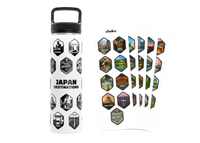
For a checklist that adjusts itself to your exact travel dates, our free Japan packing tool builds a season-specific list you can tick off as you pack. And the Traveler Bottle maps 27 of Japan's destinations, several of them at their best under autumn color.
What is the weather like in Japan in autumn?
Autumn in Japan is a long, sliding scale from warm to cold, not a single climate. This is why a month-by-month approach beats a generic "autumn" list.
Early September still belongs to summer. Tokyo daytime temperatures sit near 28 to 31°C, humidity is high, and it is also peak typhoon season, which brings heavy rain in bursts. By October the humidity breaks, days settle into a comfortable 18 to 23°C, and the weather turns reliably pleasant. November then cools steadily, from the high teens early in the month down toward 10 to 14°C by the end, with evenings noticeably colder than the daytime suggests.
Two things shift across all three months: the gap between day and night temperatures widens, and the autumn leaves move south. The practical takeaway is to pack a layering system rather than fixed outfits.
One more variable matters as much as the month: where in Japan you are going. The ranges above describe Tokyo, and most of the classic route, Kyoto and Osaka included, runs broadly similar. But Japan is long. Hokkaido and the northern Tohoku region sit several degrees colder through autumn and see their first frosts, even snow, in late November, so a northern leg means packing closer to winter. The mountains, including many of the popular autumn-leaf spots, run colder and windier than the cities below them. Okinawa and the far south, by contrast, stay warm deep into autumn and barely need a jacket at all. If your itinerary spans the country, pack for the coldest place on it and shed layers everywhere else, rather than the reverse. The autumn-leaf front moves the same way, starting in the northern mountains in late September and reaching the southern cities through November, so the color you came for and the cold you should pack for tend to travel together.
What to pack for Japan in September?
September packs almost like summer, with rain gear added. If your trip is early September, treat it as a hot-weather trip and resist the urge to pack autumn clothing you will not wear.
Bring breathable, lightweight clothing: short sleeves, light trousers or skirts, and one light layer for over-air-conditioned trains and restaurants. The humidity is real, so quick-drying fabrics are your friend. The autumn-specific addition is rain protection. September overlaps with typhoon season, so a packable rain jacket and a compact umbrella both earn their space. Sun protection still matters too, since the September sun is strong.
Skip the sweaters and jackets for an early-September trip. You will be carrying them, not wearing them.
What to pack for Japan in October?
October is the comfortable middle, and the easiest autumn month to pack for. Days are mild, evenings are cool, and a single adjustable layer covers the swing.
Pack breathable long-sleeve tops, one or two light sweaters or cardigans, and a light jacket for the evenings. Comfortable, broken-in walking shoes matter all year in Japan, where you will easily walk 10,000 to 20,000 steps a day, and October's pleasant weather means you will want to be out in it. A small bag you can stuff a layer into during the warmer afternoons is genuinely useful.
October is dry and settled, so heavy rain gear is not essential, though a compact umbrella is still worth carrying. You will not need winter clothing.
What to pack for Japan in November?
November is when autumn turns cold, and the month most travelers under-pack for. Early November is still mild, but the second half of the month, and the evenings throughout, call for proper warmth.
Bring a genuinely warm jacket or coat, not just a light layer. Add a scarf, and pack thicker sweaters under it. The day-to-night temperature gap is at its widest now, so the layer you shed at lunchtime is the layer you will be grateful for at the evening illuminations. If your trip reaches into the mountains or northern Japan for the autumn leaves, pack as you would for early winter.
Comfortable shoes still come first. November is peak autumn-leaf season, which means long walks through temple grounds, parks and hillside trails.
How does each autumn month compare?
Here is the season in one view, so you can pack for your exact window.
| September | October | November | |
|---|---|---|---|
| Tokyo daytime | 28–31°C | 18–23°C | 10–17°C |
| Feels like | Late summer, humid | Mild and settled | Cool to cold |
| Jacket needed | None | Light jacket for evenings | Warm jacket or coat |
| Rain risk | High (typhoon season) | Low | Low |
| Best for | Travelers who want fewer crowds and can handle heat | The comfort sweet spot for first-timers | Autumn-leaf chasers who pack warm |
The thread through the table: your jacket weight is the decision that changes month to month. Everything else, the layers, the comfortable shoes, the small daypack, stays constant.
Free for you: our Japan packing tool Pick your exact travel month and get a checklist built for it, with the autumn items that matter and the ones to skip. Tick it off as you pack, and we will send the full trip planner too.
What do travelers forget to pack for autumn in Japan?
The autumn-specific misses come down to underestimating the evenings and the walking. Across the packing videos we studied, a few gaps came up repeatedly.
The warm layer for November nights is the big one. Travelers pack for the pleasant daytime temperatures they see in a forecast and get caught out after dark, especially at the evening leaf illuminations, which run colder than the daytime city. A scarf does a lot of work here for very little luggage space.
The second miss is shoes. Autumn is prime walking season, and the regret travelers name most often is wearing shoes that were not broken in. The third is a small daypack. With early-autumn afternoons warm and the evenings cool, you will be adding and shedding a layer all day, and you need somewhere to put it.
For the questions of what you genuinely need versus what to leave home, our guide to what you actually need for Japan covers cash, adapters and the rest.
What can you leave at home for an autumn trip?
Autumn is not winter, and packing as though it were is the most common over-packing mistake. The space you save by skipping wrong-season gear is space for the layers that actually work, and for whatever you buy while you are there.
Leave the heavy winter coat at home for any trip before mid-November. September and October simply do not call for it, and even early November rarely does in the cities. A warm jacket handles late autumn far better than a bulky coat that eats half a suitcase and then gets carried, not worn, for most of the trip. The same logic applies to thermal base layers: HeatTech and similar garments are winter items, and an autumn traveler will almost certainly carry them unused.
Bulky knitwear is the next trap. One or two light sweaters cover Japan's cool autumn evenings comfortably; a stack of heavy jumpers does not earn its weight unless you are heading into the mountains or the far north. Pack the thin layers that combine with each other, not the thick ones that only work on their own. Three light pieces you can mix beat two heavy ones you cannot.
Beyond clothing, the usual year-round Japan over-packs apply. Skip the voltage converter: modern phone, laptop and camera chargers are already dual-voltage and need only a plug adapter, and travelers from North America do not even need that. Skip the hair dryer, which effectively every Japanese hotel provides in the room. Go light on toiletries, because Japanese drugstores are genuinely excellent and hotels stock the basics. And resist packing a full two-week wardrobe: coin laundries are everywhere and cheap, and the most repeated regret in the packing videos we studied was the suitcase filled at home rather than left half-empty for the journey back.
The autumn rule of thumb is simple. Pack the layering system, skip the deep-winter gear, and leave the bag lighter than feels comfortable. Autumn travelers routinely come home having bought more than they planned, and the half-empty case you flew out with is the one that makes that easy.
FAQ
What should I pack for Japan in October? Pack for mild days and cool evenings: breathable long-sleeve tops, one or two light sweaters, a light jacket, and comfortable walking shoes. October sits around 18 to 23°C in Tokyo and drops after dark, so an adjustable layer is the key item.
Is November cold in Japan? Yes, cool to cold, especially late in the month and after sunset. Tokyo falls from the high teens to around 10 to 14°C through November. Pack a warm jacket, layers and a scarf, and pack warmer still for the mountains or the north.
What should I wear to see the autumn leaves in Japan? Comfortable broken-in shoes for long walks, layers you can adjust, and a warm jacket for shaded valleys and evening light-ups, which run colder than the open city.
Does it rain in autumn in Japan? September is wet and overlaps typhoon season, so bring a packable rain jacket and compact umbrella. October and November are dry and settled, though a small umbrella is still handy.
Do you need a coat in Japan in autumn? Not in September, a light jacket is enough in October, and a proper warm jacket or coat earns its place from mid-November on.
How we built this list: the items above are digested from more than 100 recent Japan packing videos (2025 to 2026), weighted toward what travelers reported actually wearing and wishing they had brought. Temperatures are typical Tokyo ranges; northern Japan and the mountains run colder.
Activities and tours in Tokyo
cheku is a GetYourGuide partner. We link to tours that handle the parts of travel that eat your time, getting there, booking ahead, language, context you'd otherwise miss. If you book through our link, we earn a small commission at no extra cost to you.


