
Spring in Japan runs cool to warm, from chilly March mornings to pleasant May afternoons, with April's cherry-blossom weather the most changeable of all. Pack layers, a light jacket, comfortable walking shoes for long hanami days, and rain protection for the spring showers. Leave the heavy winter coat at home.
A good Japan spring packing list has to stretch across a wide range, because March, April and May are genuinely different. Early March still feels like winter. May is warm enough for short sleeves. And April, the cherry-blossom month most visitors come for, sits in between with the least predictable weather of the three.
We built this list from more than 100 recent Japan packing videos, focused on what travelers actually wore across the spring months and what they wished they had packed. The answer, every time, is a layering system rather than fixed outfits.
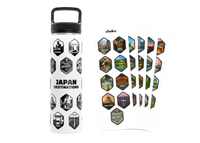
For a checklist that adjusts to your exact dates, our free Japan packing tool builds a season-specific list you can tick off as you go. And the Traveler Bottle maps 27 of Japan's destinations, many of them at their most photographed under the blossoms.
What is the weather like in Japan in spring?
Spring is a steady climb from cold to warm, with April the wildcard in the middle. Treating it as one mild season is the mistake that leaves travelers either shivering or sweating.
Early March is cold. Tokyo daytime temperatures sit near 10 to 13°C with chilly mornings, and it warms slowly through the month. April brings the cherry blossoms and genuinely variable weather: pleasant 15 to 20°C afternoons, cool evenings, the odd warm day and the odd cold snap, plus regular spring showers. May then settles into the warmest, most reliable spring weather, 20 to 25°C and comfortable.
The constant across all three months is the gap between daytime and evening, and the chance of rain. Layers and a small umbrella solve both.
What to pack for Japan in March?
March packs closer to winter than to spring, especially in the first half. If your trip is early March, do not be fooled by the word "spring" on the calendar.
Bring a warm jacket, several layers, thicker sweaters and a scarf. Mornings are cold and the wind has a bite to it. By late March the weather softens and the first blossoms appear in Tokyo, so a later-March trip can lean slightly lighter, but a warm layer still earns its place.
Comfortable walking shoes matter as always. March is quieter than the April peak, which makes it a fine time to walk the cities without the crowds.
What to pack for Japan in April?
April is the layering month, because cherry-blossom weather refuses to commit. This is the trip most spring visitors take, and the one most likely to deliver a warm afternoon and a cold evening on the same day.
Pack long-sleeve tops, a couple of light sweaters or cardigans, and a light jacket. The jacket is for the evenings, which stay cool, and for the breezy days. Add rain protection: April sees regular showers, so a compact umbrella or packable rain jacket belongs in the bag. Comfortable, broken-in shoes are essential, because cherry-blossom season means long days on your feet.
You will not need a heavy winter coat in April. You will need the ability to add and shed a layer through the day.
What to pack for Japan in May?
May is the easiest spring month, warm and settled. If your trip is in May, pack lighter and with more confidence than April demands.
Bring breathable clothing, short and long sleeves, and a light jacket or cardigan for cool evenings and over-air-conditioned trains. Daytime temperatures around 20 to 25°C mean many afternoons are comfortable in short sleeves. Sun protection becomes worth carrying again.
By late May the weather edges toward early summer: warm, occasionally humid, and a preview of the heat to come. If your trip falls at the end of the month, lean further into breathable, quick-drying fabrics, and a small folding fan, the kind sold everywhere in Japan, starts to make sense. The light jacket still earns its place for evenings and trains, but it becomes the only warm item you need.
One timing note: Golden Week, in late April and early May, is one of Japan's busiest domestic travel periods. It does not change what you pack, but it is worth knowing for crowds and prices.
How does each spring month compare?
Here is spring in one view, so you can pack for your exact window.
| March | April | May | |
|---|---|---|---|
| Tokyo daytime | 10–15°C | 15–20°C | 20–25°C |
| Feels like | Cold, late winter | Mild but changeable | Warm and settled |
| Jacket needed | Warm jacket | Light jacket | Light layer for evenings |
| Cherry blossoms | First blooms, late March | Peak in many regions | Past in the south, north still going |
| Best for | Quieter cities, fewer crowds | Classic cherry-blossom trip | Warm weather without the heat |
The pattern: your jacket gets lighter as spring goes on, while the layers, the comfortable shoes and the small umbrella stay constant.
What should you wear for cherry blossom season?
Dress for a long, slow day outdoors in weather that changes. Cherry-blossom viewing, hanami, is less about a single walk and more about hours spent in parks, along rivers and under the trees, often into the evening.
Wear comfortable broken-in shoes, because you will cover a lot of ground between viewing spots, and dress in layers you can adjust through a day that warms and cools. A light jacket you can carry is the key piece.
A few cherry-blossom specifics are worth planning for. The bloom is short, often little more than a week at full peak in any given city, and its exact timing shifts every year with the weather, so the safest approach is to pack for a range rather than for the forecast you saw a month out. An early bloom can leave you in cold, March-style conditions; a late one can hand you mild April warmth. Layering absorbs that uncertainty in a way a fixed outfit cannot.
Evenings deserve their own thought. Many of Japan's most famous blossom spots hold night-time illuminations, yozakura, and a riverside or park that felt pleasant at four in the afternoon turns genuinely cold by seven. The light jacket you carried all day stops being optional then. Travelers who leave it behind tend to cut the evening short, which is a shame, because the blossoms under light are the version most people remember.
One spring factor catches allergy-prone travelers off guard: pollen. Japan's spring is also cedar and cypress pollen season, and hay fever, kafunsho, is widespread enough that pharmacy shelves fill with remedies and many locals wear masks through March and April. If you are sensitive, pack your usual antihistamine, since finding a familiar brand abroad is harder than at home, and consider a few masks. A streaming-eyed week under the blossoms is exactly the trip nobody plans for.
If you plan to picnic under the trees, the traditional way to do hanami, a small foldable mat is worth its tiny packed size. For the wider question of what to bring and what to skip, our guide to what you actually need for Japan covers the essentials.
Free for you: our Japan packing tool Pick your exact travel month and get a checklist built for it, with the spring items that matter and the ones to skip. Drop your email and we will send the full trip planner too.
What can you leave at home for a spring trip?
Spring tempts travelers into packing for two seasons at once, and most of the second one stays in the suitcase. The fix is to pack for your month, not for the whole range.
The heavy winter coat is the first thing to leave behind, with one caveat: a very early March trip can justify a warm coat, but from late March onward a warm jacket does the job and packs far smaller. Thermal base layers are winter gear too. Outside of an early-March trip, an April or May traveler will carry HeatTech and never put it on.
Be honest about the warm end of spring as well. A May trip does not need thick sweaters or a heavy jacket at all; a light layer for the evenings covers it. Travelers heading to Japan for the cherry blossoms often pack as though April were cold, then spend the trip carrying knitwear through pleasant 18-degree afternoons. One or two light sweaters and a light jacket genuinely cover April. The weight you save is weight you will want for the journey home.
The usual year-round Japan over-packs apply on top. Skip the voltage converter, because modern chargers are already dual-voltage and need only a plug adapter, and North American travelers do not need even that. Skip the hair dryer, since Japanese hotels provide one. Keep toiletries minimal, because Japan's drugstores are excellent and hotels supply the basics. And do not pack a full trip's worth of outfits: coin laundries are cheap and everywhere, and the most common regret in the packing videos we studied was the bag filled at home rather than left with room to spare.
Spring's rule of thumb mirrors autumn's. Pack the layering system, match your jacket to your month, and leave the deep-winter and high-summer extremes out of the bag entirely. Our guide to what you actually need for Japan covers the full year-round skip list.
FAQ
What should I pack for Japan in April? Pack layers: long-sleeve tops, a couple of light sweaters, a light jacket, and comfortable walking shoes. April sits around 15 to 20°C with cool evenings and frequent showers, so add a compact umbrella or packable rain jacket.
Is March cold in Japan? Early March is cold, around 10 to 13°C in Tokyo with chilly mornings, closer to winter than spring. It warms through the month, with the first cherry blossoms usually arriving late March. Pack a warm jacket and layers.
What should I wear for cherry blossom season in Japan? Comfortable broken-in shoes for long days outdoors, layers you can adjust, and a light jacket for the cool evenings and blossom light-ups. A small foldable mat helps if you plan to picnic for hanami.
Do you need a jacket in Japan in May? A light jacket or cardigan is enough, mainly for cool evenings and air-conditioned interiors. May is warm and settled at 20 to 25°C, and many days are comfortable in short sleeves.
How we built this list: the items above are digested from more than 100 recent Japan packing videos (2025 to 2026), weighted toward what travelers reported actually wearing and wishing they had brought. Temperatures are typical Tokyo ranges; northern Japan and the mountains run colder, and the cherry-blossom timing shifts each year.
Activities and tours in Tokyo
cheku is a GetYourGuide partner. We link to tours that handle the parts of travel that eat your time, getting there, booking ahead, language, context you'd otherwise miss. If you book through our link, we earn a small commission at no extra cost to you.


