
The non-touristy things to buy in Tokyo Japanese design and lifestyle press features consistently as serious purchases: Porter Tanker bags, Hario V60 pour-over coffee gear, Hasami Porcelain stackable tableware, Iwachu cast iron teapots, premium Japanese fountain pens (Pilot Custom, Sailor 1911, Platinum 3776), MT washi tape from Kamoi Kakoshi, Aritsugu or Sakai knives from Kappabashi, Comme des Garçons Play apparel, Snow Peak titanium mugs, and Hada Labo or Senka skincare from any drugstore. This guide covers the specific items rather than the general categories.
The "non-touristy things to buy in Tokyo" question is best answered by specific items rather than broad categories. Japanese lifestyle press (Brutus, Popeye, Casa Brutus, &Premium) covers specific named items continuously — the same Porter Tanker bag, the same Hario V60 dripper, the same Hasami Porcelain dish line, the same Comme des Garçons Play wallet recur across years of coverage because each is a serious purchase Japanese consumers themselves make repeatedly.
The framing matters. A Tokyo resident asked "what should I buy for my partner from Tokyo" would not list "Mt. Fuji magnets" or "samurai-themed merchandise" — they would name specific items from named makers, items the recipient could actually use for years. The non-touristy answer is in the specifics, and the specifics are in the Japanese lifestyle press.
For the broader Tokyo shopping district landscape, the where locals shop in Tokyo guide covers the neighborhoods. For the broader Tokyo souvenir landscape with prices and shops, the Tokyo souvenirs guide is the deep-dive companion.
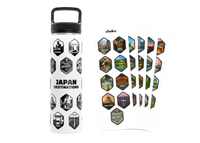
❤️ If you're planning a first Japan trip, the cheku Japan Destinations I Traveler bucket-list bottle illustrates the 27 destinations that hold up after the research — part travel guide, part souvenir, and a daily essential for the trip itself. Live on Kickstarter until July 26. Reserve yours now at the best prices we'll offer.
What specific items do Japanese consumers actually buy in Tokyo?
The specific items Japanese consumer media tracks as everyday purchases rather than tourist souvenirs cluster across bags, coffee gear, kitchen tools, design tableware, stationery, and design clothing. Brutus and Popeye cover these continuously as the practical Tokyo purchase landscape.
The seven categories worth knowing, with the specific named items inside each:
- Bags and luggage. Porter Tanker shoulder bag and Porter Healthy backpack from Yoshida Kaban; Master-piece backpack; Anonym crafts man design.
- Coffee gear. Hario V60 ceramic pour-over dripper and Hario heatproof carafe; Kalita Wave dripper; Tsubame Sanjo coffee grinder.
- Kitchen tools. Aritsugu or Sakai petty knife or gyuto; Iwachu cast iron teapot (Nanbu Tekki); donabe earthenware pot; bamboo whisk and matcha bowl set.
- Design tableware. Hasami Porcelain stackable dish line; Kihara Saikai Toki ceramics; small named-kiln pieces (Mino-yaki, Bizen-yaki, Mashiko-yaki).
- Stationery. Pilot Custom 74 fountain pen; Sailor 1911 fountain pen; Platinum 3776; Midori MD notebook; MT washi tape rolls; Kakimori custom-bound notebook.
- Design clothing and accessories. Comme des Garçons Play t-shirt or wallet; Visvim items; Sacai or kolor pieces from Aoyama side streets; mid-tier from Beams or United Arrows.
- Skincare and personal care. Hada Labo hyaluronic acid lotion; Senka cleansers; Curel; premium J-Beauty (SK-II, Albion) at depachika.
Each is a serious purchase Japanese consumers themselves make. None is a tourist novelty.
What bags and coffee gear do Tokyo locals buy?
Porter Tanker for bags and Hario V60 for coffee pour-over are the two single most-cited items in Japanese design and lifestyle media — both are everyday-use Japanese-design objects with decades of cultural weight. Casa Brutus and Popeye feature them regularly.
Porter Tanker shoulder bag (Yoshida Kaban, ¥18,000–35,000):
The navy nylon shoulder bag designed in 1983 by Yoshida Kaban as a flight-jacket-inspired everyday bag. The Tanker line spans messenger bags, totes, daypacks, and small pouches. The shoulder bag in size S or M is the cult Tokyo daily-carry standard. Available at Porter Tokyo (Marunouchi flagship), Yoshida Kaban Aoyama, and major Tokyo department stores. The Tanker is the Japanese everyday bag the way the Mark Cross Camera Bag is the New York one.
For someone who carries a laptop to work: Porter Tanker S messenger or M shoulder — ¥22,000–32,000, navy nylon, holds a 13-inch laptop, lasts a decade with daily use. For someone who travels often: Porter Tanker daypack or Healthy backpack — ¥25,000–45,000, packs flat, water-resistant, and consistently among the best daily-carry bags Japanese consumer press names.
Hario V60 ceramic pour-over dripper (¥1,500–3,500):
The V60 — a 60-degree cone-angled pour-over dripper — has been the Japanese specialty coffee standard since Hario launched it. The ceramic version is the canonical home brewer; the heatproof glass server and the V60 paper filters complete the set. Sold at Tokyu Hands, Loft, Bic Camera, Yodobashi, and most named coffee shops in Tokyo.
For someone who already drinks coffee: Hario V60 ceramic dripper + V60 glass server + 100 paper filters — ¥3,500–5,500 total, a complete pour-over set, the Tokyo home-brew standard. For someone exploring pour-over: Hario V60 starter kit — ¥2,500–4,500, includes dripper, server, and a small bag of beans from a Tokyo specialty roaster (Onibus, Blue Bottle Japan, % Arabica, Maruyama Coffee).
Kalita Wave dripper (¥3,000–5,000):
The Kalita Wave is the alternative pour-over standard — a flat-bottomed dripper using wave-shaped paper filters, producing a different brew profile from the V60. Carried at Tsuruoka, the dedicated coffee retailers, and Tokyu Hands.
What kitchen tools and design tableware should you buy?
Japanese knives from Kappabashi, the Iwachu cast iron teapot, and Hasami Porcelain stackable dishes anchor the kitchen and tableware category Japanese consumer media treats as serious everyday purchases. Kogei Japan recognises the registered traditional craft traditions; Iwachu and Hasami Porcelain maintain official product directories.
Japanese knives from Kappabashi or Aritsugu:
- Petty knife (¥6,000–20,000). The smaller utility knife — between a paring knife and a chef's knife. The most versatile single knife for a home cook.
- Gyuto (¥8,000–30,000). The Japanese chef's knife. Carbon-steel or VG-10 laminated.
- Santoku (¥6,000–20,000). The traditional Japanese all-purpose knife. Shorter and lighter than a gyuto.
- Named makers. Sakai-uchihamono (Osaka), Seki (Gifu), Aritsugu (Kyoto, with Tokyo presence), Kamata and Tsubaya at Kappabashi.
For someone who cooks daily: Aritsugu or Sakai-uchihamono petty knife — ¥8,000–15,000, lasts decades with light maintenance, the practical first Japanese knife. For someone with a serious kitchen: Sakai-uchihamono gyuto — ¥15,000–35,000, the canonical Japanese chef's knife, requires honing and care but rewards it.
Iwachu cast iron teapot (¥4,500–25,000):
The Morioka cast iron teapot from Iwachu — part of the registered Nanbu Tekki traditional craft from Iwate Prefecture. Enamel-lined interior holds heat for tea brewing; the classic small kettle (around 0.5L) is the standard. Sold at depachika craft sections (Isetan Shinjuku, Mitsukoshi Nihonbashi), at named Iwachu retailers, and online.
For a tea drinker: small Iwachu cast iron teapot (0.4–0.6L) — ¥4,500–10,000, holds heat for hours, lasts a lifetime with basic care, distinctive enamel-lined interior.
Hasami Porcelain stackable dish set (¥3,500–12,000):
The minimalist stackable porcelain line designed by Takuhiro Shinomoto using Hasami-yaki ceramic tradition from Nagasaki. The plates, bowls, mugs, and tea cups stack as design objects. Sold at D&Department Tokyo, depachika craft sections, and specialist design shops.
For a design-minded home cook: Hasami Porcelain stackable dish set (4 plates, 4 bowls, 4 mugs) — ¥6,500–12,000, daily-use design pieces, the cult Tokyo tableware.
Donabe earthenware pot (¥4,500–15,000):
The Japanese clay pot for hotpot and rice cooking. Iga-yaki and other named regional donabe traditions. Sold at depachika kitchen floors and specialist Kappabashi shops.
What stationery and design objects are worth buying in Tokyo?
Premium Japanese fountain pens (Pilot Custom, Sailor 1911, Platinum 3776), MT washi tape, Midori MD notebooks, and Kakimori custom-bound notebooks anchor the serious Tokyo stationery category. &Premium and Hanako cover stationery as a regular feature subject.
Premium Japanese fountain pens (¥10,000–35,000):
- Pilot Custom 74 (¥12,000–18,000). The everyday premium Pilot. 14k gold nib, multiple nib widths, the canonical first premium Japanese fountain pen.
- Sailor 1911 (¥18,000–30,000). The Sailor flagship with 14k or 21k gold nibs in various widths.
- Platinum 3776 Century (¥18,000–25,000). The Platinum flagship.
- Pilot Vanishing Point / Capless (¥15,000–25,000). The clicking-mechanism fountain pen.
For someone who writes letters or journals: Pilot Custom 74 in F or M nib — ¥12,000–15,000, the canonical first premium Japanese fountain pen, lasts a lifetime with basic care.
MT washi tape (¥250–600 per roll):
The Kamoi Kakoshi premium washi tape line in hundreds of designs. Sold at Tokyu Hands, Loft, Itoya Ginza, and direct at MT Lab in Aoyama. Limited-edition designer collaborations and seasonal releases are tracked by Japanese stationery consumer media.
For a creative or for a teen: MT washi tape gift set with 12–20 rolls — ¥2,500–6,000, the cult Japanese washi tape brand, infinite uses.
Midori MD notebook (¥800–2,500):
The cream-paper premium notebook line. The MD logo is the marker. Available at Tokyu Hands, Loft, Itoya, and Maruzen.
Kakimori custom-bound notebook (¥1,500–8,000):
The Kuramae custom notebook bindery Kakimori — pick paper, cover, and binding. The custom-binding session takes about 30 minutes at the shop and produces a notebook to spec.
What clothing and accessories aren't touristy in Tokyo?
Comme des Garçons Play, Visvim, Japanese select-shop mid-tier brands (Beams, United Arrows, Tomorrowland), and Snow Peak technical apparel anchor the non-touristy clothing category. Popeye covers this corridor as the canonical Japanese consumer fashion landscape.
Comme des Garçons Play (¥8,000–25,000):
The accessible Comme des Garçons sub-line. The Play heart logo (designed by Filip Pagowski) on t-shirts (¥9,500–12,000), sweatshirts (¥18,000–25,000), wallets (¥8,000–15,000), and accessories. Available at Comme des Garçons Aoyama, Dover Street Market Ginza, and the Play boutiques.
For someone with eclectic taste: Comme des Garçons Play t-shirt or wallet — ¥9,500–15,000, a daily-use design piece with cultural weight, distinctly Japanese, no tourist baggage.
Visvim (Daikanyama flagship):
Hiroki Nakamura's premium Americana-and-Japanese-craft brand. FBT moccasins, premium denim, Christo sandals, premium outerwear. Premium pricing across the board. Daikanyama flagship.
Snow Peak technical apparel and titanium gear (¥3,500–60,000):
- Titanium mug (¥3,500–6,500). The cult Snow Peak everyday item. Distinctive Japanese outdoor design.
- Titanium chopsticks and titanium cutlery (¥2,500–5,500). Light, lifetime gear.
- Snow Peak Takibi (fire-pit) and Take camping gear. Premium camping equipment with cult status.
- Snow Peak apparel. Technical Japanese outdoor clothing at Daikanyama, Marunouchi, Shinjuku branches.
Japanese select-shop mid-tier (Beams, United Arrows, Tomorrowland, ¥10,000–40,000):
The everyday Japanese contemporary clothing landscape. Beams Japan (Shinjuku) flagship and United Arrows Harajuku flagship are the canonical multi-floor destinations.
For someone who buys premium everyday clothing: any Beams or United Arrows shirt or jacket — ¥15,000–35,000, the canonical Japanese mid-tier consumer fashion, the Tokyo equivalent of buying a J.Crew or Uniqlo basic but with stronger design.
Free for you: our Tokyo Google Maps list We keep a Google Maps list of the must-see spots around Tokyo — Porter Tokyo at Marunouchi, Hario direct retailers, Aritsugu Tokyo, Hasami Porcelain stockists, Pilot's Ginza pen shop, MT Lab Aoyama, Kakimori Kuramae, Comme des Garçons Aoyama, Snow Peak Daikanyama, and the depachika craft sections worth the detour. Drop your email and we'll send it over.
How do the non-touristy Tokyo items compare?
| Item | Price range | Where to buy | Cultural weight | Best for |
|---|---|---|---|---|
| Porter Tanker shoulder bag | ¥18,000–35,000 | Porter Tokyo Marunouchi, depachika | Tokyo daily-carry standard since 1983 | Daily commute, travel |
| Hario V60 pour-over dripper | ¥1,500–3,500 | Tokyu Hands, Loft, Bic Camera, coffee shops | Japanese specialty coffee standard | Anyone who drinks coffee |
| Hasami Porcelain dish set | ¥3,500–12,000 | D&Department, depachika, design shops | Modern Japanese tableware design | Design-minded home |
| Iwachu cast iron teapot | ¥4,500–25,000 | Depachika craft, Iwachu retailers | Nanbu Tekki registered traditional craft | Tea drinker |
| Aritsugu / Sakai petty knife | ¥6,000–20,000 | Kappabashi, Aritsugu Tokyo | Japanese knife tradition | Home cook |
| Pilot Custom 74 fountain pen | ¥12,000–18,000 | Itoya Ginza, Loft, Tokyu Hands | Japanese pen tradition | Writer, journaler |
| Sailor 1911 fountain pen | ¥18,000–30,000 | Itoya Ginza, Sailor flagship | Premium Japanese pen | Serious writer |
| MT washi tape (10–20 rolls) | ¥2,500–6,000 | Tokyu Hands, Loft, Itoya, MT Lab | Cult Japanese stationery | Creative, teen, light gift |
| Midori MD notebook | ¥800–2,500 | Itoya, Tokyu Hands, Loft | Japanese premium notebook standard | Journaler, daily-use |
| Kakimori custom notebook | ¥1,500–8,000 | Kakimori Kuramae (only) | Cult custom Japanese stationery | Lifetime notebook gift |
| Comme des Garçons Play t-shirt | ¥9,500–12,000 | Aoyama, Dover Street Market | Cult Japanese design label | Eclectic dresser |
| Snow Peak titanium mug | ¥3,500–6,500 | Snow Peak branches, depachika | Japanese outdoor cult item | Camper, outdoor person |
| Hada Labo hyaluronic acid lotion | ¥800–1,500 | Drugstores, Don Quijote | Japanese drugstore standard | Skincare gift |
| Senka cleanser | ¥800–1,500 | Drugstores, Don Quijote | Japanese drugstore cult product | Skincare gift |
| Donabe earthenware pot | ¥4,500–15,000 | Depachika kitchen, Kappabashi | Iga-yaki / Mino-yaki traditional craft | Cook who hosts |
| Casio G-Shock Mr-G | ¥80,000–500,000 | G-Shock Pro Shop Harajuku/Shibuya | Japanese watchmaking | Watch person |
| Best for | Items at every price tier | Concentrate in Marunouchi + Aoyama + Kuramae + depachika in one day | Each is a Japanese daily-use object with cultural weight | One Tokyo shopping trip can cover several |
What's the most efficient non-touristy Tokyo shopping route?
The most efficient route concentrates non-touristy Tokyo items in Marunouchi (Porter Tokyo, Muji Yurakucho, Snow Peak Marunouchi), Aoyama (Comme des Garçons, Itoya Ginza nearby), and Kuramae (Kakimori, Sui, Carmine artisan studios) — three districts in one day. Brutus walking-route features cover variations on this combination regularly.
Full-day non-touristy Tokyo route (8–10 hours):
- Morning (Marunouchi). Start at Tokyo Station Marunouchi exit. Porter Tokyo flagship. Snow Peak Marunouchi. Muji Yurakucho (the major flagship). Tomorrowland Marunouchi.
- Late morning to lunch (Ginza). Walk to Ginza. Itoya Ginza for premium stationery (multiple floors — pens, notebooks, washi paper, premium gifts). Lunch in Ginza side streets.
- Afternoon (Aoyama). Tokyo Metro to Omotesando. Comme des Garçons Aoyama (the flagship). Issey Miyake Aoyama. Spiral and Cibone for design. Aoyama side-street boutiques.
- Late afternoon (Kuramae, optional). Train east to Kuramae. Kakimori custom notebook bindery. Sui leather studio. Carmine and other artisan shops. The neighborhood closes earlier than Aoyama or Ginza — plan to be there by 16:00.
Compressed half-day route (4 hours):
For travelers with less time, the half-day route through Marunouchi + Ginza covers Porter, Muji, Snow Peak, Itoya, and at least one of the major designer flagships within a 4-hour window walkable between Tokyo Station and Ginza Station.
❤️ The cheku 9 Days in Tokyo guide is 106 pages of local knowledge and our photography — designed for first-time visitors who want every day planned before they land, including the named-flagship and artisan-studio walks that don't make standard tourist itineraries. Live on Kickstarter until July 26. Reserve yours now at the best prices we'll offer.
FAQ
What can you buy in Tokyo that isn't touristy? The non-touristy things to buy in Tokyo Japanese design and lifestyle press features consistently as serious purchases: Porter Tanker shoulder bag from Yoshida Kaban (¥18,000–35,000); Hario V60 ceramic dripper or Kalita Wave for pour-over coffee (¥1,500–4,500); Hasami Porcelain stackable dish set (¥3,500–12,000); Iwachu cast iron teapot from Morioka (¥4,500–25,000); a premium Japanese fountain pen from Pilot Custom, Sailor 1911, or Platinum 3776 (¥10,000–35,000); MT washi tape rolls from Kamoi Kakoshi (¥250–600 each); Aritsugu or Sakai petty knife (¥6,000–20,000); Comme des Garçons Play t-shirt or sweatshirt (¥8,000–15,000); Snow Peak titanium mug (¥3,500–6,500); and Hada Labo or Senka skincare from any drugstore (¥800–2,500).
What do Japanese people buy in Tokyo for themselves? The items Japanese consumers themselves buy in Tokyo for daily use rather than as souvenirs: premium notebooks and stationery (Midori MD, Kakimori custom, premium fountain pens); kitchen tools (Japanese knives from Kappabashi, Hario / Kalita pour-over coffee gear, Iwachu cast iron); design clothing (Comme des Garçons Play, Visvim, mid-tier select shop brands from Beams or United Arrows); bags (Porter / Yoshida Kaban, Master-piece); design objects (Hightide and Penco stationery, MT washi tape, Hasami Porcelain tableware); skincare and beauty (Hada Labo, Senka, Curel, premium J-Beauty at depachika); and watches (Casio G-Shock domestic models, Seiko Presage, Grand Seiko).
What's a good non-food gift from Tokyo? Non-food gifts from Tokyo Japanese lifestyle press recommends for gifting: a Porter Tanker shoulder bag (¥18,000–35,000 — durable, practical, distinctly Japanese); a Hario V60 ceramic dripper set with paper filters (¥1,500–3,500 — a thoughtful coffee gift); a Hasami Porcelain stackable dish set (¥3,500–12,000 — a daily-use design object that earns its place); a premium MT washi tape gift set (¥1,500–4,500); a Pilot Custom 74 fountain pen (¥12,000–18,000 for a serious writer); a Snow Peak titanium mug (¥3,500–6,500 — distinctly Japanese, lifetime piece); a small piece of Hasami-yaki or Mino-yaki ceramic (¥1,500–4,500); or a Comme des Garçons Play wallet (¥8,000–15,000 — design-led, daily-use, distinctly Japanese).
Where do Tokyo locals shop for non-touristy items? Tokyo residents shop for non-touristy items at Tokyu Hands and Loft major branches (multi-floor lifestyle and stationery), depachika upper floors (premium ceramics, lacquerware, named-region pantry), Itoya Ginza (premium stationery flagship since 1904), Muji flagships at Ginza and Yurakucho (everyday design goods), D&Department Tokyo in Shibuya (design and regional craft), Porter Tokyo at Marunouchi (the Yoshida Kaban flagship), Snow Peak branches at Daikanyama / Marunouchi / Shinjuku (Japanese outdoor), Kappabashi for knives, Kakimori in Kuramae for custom stationery, and Don Quijote major branches for tax-free shopping across categories.
What Japanese kitchen tools are worth buying in Tokyo? The Japanese kitchen tools Tokyo residents and Japanese cooking press recommend: a Sakai-uchihamono or Seki carbon-steel petty knife or gyuto from Kappabashi or Aritsugu Tokyo (¥6,000–25,000 for everyday quality); a Hario V60 ceramic pour-over dripper plus filters (¥1,500–3,500); a Kalita Wave dripper for a different brew profile (¥3,000–5,000); an Iwachu cast iron teapot from Morioka (¥4,500–25,000 — keeps tea warm, distinctive enamel-lined interior); a Donabe earthenware pot for hotpot or rice (¥4,500–15,000); silicone onigiri molds and drop lids from Daiso (¥110–550); a bamboo whisk and matcha bowl set from a named tea shop (¥2,500–8,000); and Microplane-style Japanese ceramic graters.
For the broader Tokyo shopping district landscape including neighborhoods, the where locals shop in Tokyo guide is the deep-dive companion. For the broader Tokyo souvenir landscape with shops and prices, the Tokyo souvenirs guide covers it.
Sources
- Brutus — Magazine House lifestyle magazine, named-brand and item coverage
- Popeye — Magazine House men's lifestyle magazine
- Casa Brutus — Magazine House design and architecture magazine
- &Premium — Magazine House women's lifestyle magazine
- Kogei Japan — registered traditional Japanese crafts directory
- Hario — official Hario site, V60 pour-over and Japanese glassware
- Iwachu — official Iwachu site, Nanbu Tekki cast iron tradition
- Hasami Porcelain — official Hasami Porcelain site
- Yoshida Kaban (Porter) — official Yoshida Kaban site, Porter Tanker line
- Muji — official Muji Japan
Activities and tours in Tokyo
cheku is a GetYourGuide partner. We link to tours that handle the parts of travel that eat your time, getting there, booking ahead, language, context you'd otherwise miss. If you book through our link, we earn a small commission at no extra cost to you.


