
The best things to do in Akihabara in 2026 are not what they were 15 years ago. The electronics bargain angle is mostly a myth now. What remains, and what nobody else on Earth can match, is the concentration of anime, manga, gaming, and otaku culture. Here's our honest guide to what's actually worth your time.
Akihabara has changed. The neighborhood that built its identity selling radio components and cheap televisions to hobbyists is now primarily a destination for international visitors and anime enthusiasts. That shift isn't cynicism, it's just what happened, and the experience is worth having on its own terms.
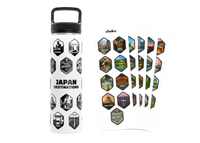
If you're planning your Japan route and want a structured way to track each destination you visit, Akihabara included, the Traveler Bottle maps 27 of the key Japan stops in one piece, designed for first-time visitors building a two-week itinerary.
We've lived in Tokyo for seven years. Here's what Akihabara is in 2026, what's worth doing, and what to skip.
What makes Akihabara worth visiting in 2026?
Akihabara earns a visit because it is the single most concentrated anime, manga, and gaming destination on the planet. The electronics bargain angle has mostly disappeared, prices now match online or other Tokyo stores for most items. The culture, the atmosphere, and the shop density are the real draw, and they still deliver.
The neighborhood sits between Ueno and Tokyo Station on the JR Yamanote Line, four minutes from Tokyo Station, three from Ueno. Most of what you want to do is walkable within 10–15 minutes of the Electric Town Exit.
Akihabara divides into three zones:
| Zone | What it's for | Time to allow |
|---|---|---|
| Main shopping strip (Chuo-dori and side streets) | Anime, gaming, electronics megastores | 3–5 hours |
| Off-street buildings (upper floors, alleys) | Specialist shops, rare finds, maid cafes | 1–2 hours extra |
| Further out (10–15 min walk) | Kanda Myojin Shrine, 2k540 Artisan, Suda-cho | Half day |
Most visitors see only the first zone. The second and third are where the more interesting things happen.
What are the best anime and manga shops in Akihabara?
The four shops worth prioritising are Animate (largest selection, 8 floors), Radio Kaikan (30+ specialist shops in one historic building), Mandarake (rare and pre-owned, treasure-hunt feel), and Super Potato (retro gaming with a playable arcade on the 5th floor). Together they represent a concentration of otaku culture that doesn't exist anywhere else.
Animate Akihabara is the largest anime specialty store in Japan. Eight floors, genre-divided inventory, with Building 2 (opened 2022) and the reopened Building 1 (April 2023) together covering everything from manga and light novels to limited-edition figures and doujinshi. Hours are 11:00–21:00 (10:00–20:00 weekends). If you only have time for one shop, this is it.
Radio Kaikan is the better choice for serious browsing. The historic 1962 building holds 30+ specialist shops, K-Books for manga, Kaiyodo and AmiAmi for figures, Volks for models. Less crowded than Animate and more rewarding for anyone who knows what they're looking for.
Mandarake Complex is where the rare finds live. The jet-black building with crimson signage holds 7–8 floors of pre-owned doujinshi, vintage toys, animation cels, and anime media. Hours 12:00–20:00. Used figures run ¥800–3,000; rarer items go considerably higher. The serendipity factor, finding something you didn't know existed, is what makes it worth an hour. If Akihabara's crowds feel like a lot, Nakano Broadway offers the same treasure-hunt shopping in a calmer building west of Shinjuku.
Japanese subculture media treats Radio Kaikan as the symbol of the district: Walkerplus calls it the seichi, the sacred site, for subculture fans, and MATCHA's Japanese-language area guide notes the building has anchored the neighborhood for over 60 years. When Japanese editors rank Akihabara, Radio Kaikan and Yodobashi Akiba lead, which matches our experience of where the serious shoppers actually go.
Super Potato covers retro video games across 3F–5F: NES, SNES, Game Boy, Dreamcast, PS1. The 5th floor has playable arcade cabinets. Games run from ¥100 bargain bins to ¥5,000+ for rare titles. It's not the cheapest option for common titles (Book Off wins on price) but has the best selection for anything unusual. Hours 11:00–20:00.
The photographer's eye: Radio Kaikan's exterior on a rainy Sunday, with neon from the surrounding buildings reflecting off the wet pavement, is one of the most visually dense scenes in Tokyo. Shoot from across the street with a 50mm lens. The windows of the upper-floor specialist shops, filled with figures and vintage electronics, photograph well from the street level too, especially at dusk when the interior lighting becomes visible against the darkening sky.
Is electronics shopping in Akihabara still worth it?
For most items, no, prices now match online retailers and other Tokyo stores like Bic Camera. The exceptions are: cameras (competitive due to shop density), niche computer components, and dual-voltage travel adapters. For these, Akihabara's selection and staff expertise still justify the trip. For anything else, buy online or at a department store.
The honest resident take on electronics in 2026: the pricing advantage that made Akihabara famous is largely gone. Yodobashi Akiba (9 floors, right in front of the station, hours 9:30–22:00) remains the best single electronics destination for breadth and service, staff will match competitor prices if you cite them, and tax-free purchasing on ¥5,000+ with your passport is straightforward. But you're not getting a bargain you couldn't find elsewhere.
A few practical notes: - Tax-free threshold: ¥5,000+ with passport, available at Yodobashi and Don Quijote (24 hours, 3 min from Electric Town Exit) - Overseas compatibility: Always ask specifically for overseas-specification models, many Japanese appliances are 100V only and won't work abroad without a converter - Specialist stores: LAOX and Akky International focus on overseas-compatible models if that's your priority - Don't bother with: Rice cookers, hair dryers, or other high-wattage appliances unless you've confirmed they're dual-voltage
What should you know about arcades and retro gaming?
Taito Station HEY is the most respected arcade in Akihabara for serious players, the 2nd floor is one of the best versus fighting game venues in Tokyo. For retro gaming, Super Potato's 5th floor lets you play the machines before you buy. Note: GiGO Akihabara Building 1 closed in August 2025, taking one of the neighborhood's most iconic landmarks with it.
The arcade landscape in Akihabara shifted significantly in 2025. GiGO Building 1, a 30-year fixture, closed in August, and the pressure on older independent venues continues. What remains is still good.
Taito Station HEY is the serious gamer's choice. The second floor is dedicated to versus fighting games and has a genuine community around it, you'll see competitive players, not tourists. Rhythm games, UFO catchers, and standard arcade machines fill the other floors.
Akihabara Gachapon Hall runs 11:00–20:00 (19:00 Sundays) and has multiple floors of capsule toy machines. Capsules run ¥100–500 and range from character figures to miniature objects to things that make no obvious sense. It's a 20-minute stop that consistently delights.
For retro gaming browsing outside Super Potato, look at the upper floors of less-obvious buildings along the side streets off Chuo-dori. The shops on floors 3–6 of unmarked buildings are where the collector finds tend to be.
What is a maid cafe and should you try one?
A maid cafe is a cosplay-themed restaurant where staff dressed as French maids address you as "master" or "mistress," serve decorated food, and perform live shows every two hours. Budget ¥4,000–6,000 for the full experience. It's theatrical entertainment that happens to include food, worth doing once if you're curious, skip it if you just want a meal.
Here's what the experience actually involves:
You pay a seat fee of ¥880–1,000 per person per hour. Food, typically omurice (rice omelette) decorated with ketchup art, runs ¥1,000–1,500. Soft drinks from ¥500. If you want a Polaroid photo (cheki) with your maid, that's ¥500–1,000 on top. A full 90-minute visit with food and a photo lands around ¥4,000–6,000.
Live shows happen every two hours, singing, dancing, and audience participation. The atmosphere is high-energy and genuinely theatrical. It's not subtle entertainment.
Maidreamin has 7 branches in Akihabara and is the largest, most organized chain. Walk-ins are usually accepted on weekdays. Weekends fill faster, arrive early afternoon to avoid waits.
Little TGV is worth knowing about as a variant: staff dress as train conductors rather than French maids. Smaller and quieter than Maidreamin, with the same basic format.
First-timer note: go with the expectation of a theatrical experience, not a restaurant. The food is decent, not exceptional. The value is the atmosphere.
Where should you eat in Akihabara?
The best eating in Akihabara proper is ramen and tonkatsu. The best eating near Akihabara is in the Suda-cho/Kanda neighborhood, a 5–10 minute walk, where traditional restaurants have operated for decades in near-total obscurity to tourists.
In the main district: - Menya Musashi: Rich seafood-based broth ramen with thick noodles; ¥900–1,200 - Tonkatsu Marugo: Michelin Bib Gourmand; traditional breaded pork cutlet done well - Tsumakoizaka Keigo: Michelin-recognized soba and tempura; each dish prepared to order
In Suda-cho/Kanda (walk 5–10 minutes south): - Yabusoba: Handmade soba, quiet setting, no tourist traffic - Botan: Sukiyaki restaurant open since 1897; the kind of place that hasn't needed to change anything - Otsu Coffee: Traditional kissaten (old-style Japanese coffee shop) in an older building; the right stop if you need a reset from the electric intensity of the main streets
The Suda-cho area is the recommendation we'd give to anyone who asks where we'd actually choose to eat near Akihabara. It's what the neighborhood looked like before the screens and figures. For the full list, with the curry shops and old kissaten the district is quietly known for, see our guide to where locals actually eat in Akihabara.
What are the hidden spots worth finding?
The two best alternatives to the main shopping strip are 2k540 Aki-Oka Artisan, 50 craft and artisan shops under the railway tracks, completely unlike the rest of Akihabara, and Kanda Myojin Shrine, a 1,300-year-old shrine that sits seven minutes from the Electric Town Exit and gets almost no tourist traffic despite being one of the most important shrines in Tokyo.
2k540 Aki-Oka Artisan runs under the JR railway tracks between Akihabara and Okachimachi stations. Fifty independent shops: leather workers, woodcraft, jewelry makers, small galleries, and cafés. Closed Wednesdays; typically open 11:00–19:00. The atmosphere is the opposite of Chuo-dori, it's quiet, craft-focused, and gives you something worth bringing home that isn't mass-produced.
Kanda Myojin Shrine was originally built in 730 AD, and Walkerplus introduces it as Edo Sochinju, the guardian shrine of old Edo, which is the standing it still holds. It's seven minutes on foot from the Electric Town Exit, sits on a hill, and gets almost none of the district's foot traffic despite being free to enter. The grounds are peaceful in a way that's almost disorienting after 30 minutes in the main shopping district. Tech-blessing talismans, a Kanda Myojin specialty, are a genuinely unusual souvenir. If you're in Akihabara for a full day, the shrine is the right stop after the shopping.
Yushima Seido, two minutes from Kanda Myojin across the road, is the quiet third stop Japanese roundups like Tabiiro include and English guides almost never do: a Confucian temple founded under shogun Tsunayoshi, black-lacquered and severe where the shrine next door is vermilion. Five minutes of it resets you completely.
mAAch ecute Kanda Manseibashi fills the arches of the old Manseibashi Station, the red-brick viaduct a few minutes south along the river. MATCHA's area guide points here for the district's retro side: small shops, a cafe strip, and bars and restaurants built into the 1912 brickwork, with a deck overlooking the trains. Walkerplus describes the reborn under-viaduct as one of the district's defining contrasts, subculture out front, history under the tracks. Pair it with 2k540 for an Akihabara afternoon that involves no anime at all.
Free for you: our Google Maps list of every spot in this guide We've pinned all the shops, shrines, and side streets mentioned above into one shareable Google Maps list. Drop your email and we'll send it over so you can plan your day without copying addresses one by one.
How do you plan a full day in Akihabara?
The most efficient full-day structure: arrive before noon for the shopping strip, hit Kanda Myojin Shrine mid-afternoon, try 2k540 Aki-Oka before it closes at 19:00, and end with dinner in Suda-cho. Sunday afternoons are when Chuo-dori goes car-free, if that's your day, build around the pedestrian zone from 13:00–18:00.
Morning (10:00–13:00) Yodobashi Akiba opens at 9:30 if electronics are on your list. Otherwise, start at Animate (11:00) and work through Radio Kaikan and Mandarake while the shops are uncrowded. Super Potato opens at 11:00, the retro gaming floors are easier to browse before the afternoon rush.
Midday (13:00–15:00) Lunch in the main district (Tonkatsu Marugo or Menya Musashi) or walk 10 minutes south to Suda-cho for something quieter. If it's Sunday, stay on Chuo-dori as the pedestrian zone comes to life at 13:00.
Afternoon (15:00–19:00) Walk to Kanda Myojin Shrine (7 minutes from Electric Town Exit). Allow 30–45 minutes. Then double back to 2k540 Aki-Oka Artisan for the craft shops under the tracks, it closes at 19:00 and is worth an hour.
Evening Maid cafe if you want the experience (Maidreamin for the full version, Little TGV for something smaller). Or dinner at Botan in Suda-cho (sukiyaki since 1897) and walk back through the lit-up main street before heading out.
For a comparable guide to a Tokyo neighborhood that operates on different logic, quieter streets, genuine local rhythm, our Shibuya guide covers the full-day structure there.
If you'd rather do Akihabara with someone who already knows which building hides what, the Akihabara Anime & Gaming Adventure tour is the one we'd point a first-timer to: it covers the retro-game backstreets that take years to find on your own, and it includes maid-café entry, which quietly solves the thing most solo visitors hesitate over. If your route continues to Osaka, its own electric district runs on the same current; our Den Den Town guide covers it.
If Akihabara is going on your Japan list, the Traveler Bottle holds the destinations we'd recommend pairing it with, designed for first-time travelers building one trip that covers the essentials without backtracking.
FAQ
What is Akihabara famous for?
Akihabara is famous for two things that no longer fully describe it: cheap electronics (prices have largely equalized with the rest of Tokyo) and anime/manga/gaming culture (still genuinely unmatched). The honest answer in 2026 is that it's one of the world's most concentrated otaku culture destinations, and that's more than enough reason to visit.
Is Akihabara worth visiting in 2026?
Yes, for the right reasons. If you have any interest in anime, manga, retro gaming, or maid cafes, there is nowhere else on Earth with this density of specialist shops. For electronics bargain-hunting, the advantage has largely disappeared, most prices match online or other Tokyo stores. Go for the culture, not the deals.
How long do you need in Akihabara?
Half a day (4–5 hours) covers the main anime and gaming shops comfortably. A full day lets you add Kanda Myojin Shrine, 2k540 Aki-Oka Artisan, and a sit-down meal in the Suda-cho area. Electronics shopping alone takes 2–3 hours if you're comparing prices and specs across multiple stores.
What is a maid cafe and how much does it cost?
Maid cafes are cosplay-themed restaurants where waitresses dressed as French maids serve food and perform live shows every two hours. Budget ¥4,000–6,000 per person for the full experience: seat fee (¥880–1,000/hour), food, and an optional Polaroid photo with a maid (¥500–1,000). Walk-ins are usually accepted on weekdays.
What is the best time to visit Akihabara?
Weekday mornings (before noon) for leisurely shopping without crowds. Sunday afternoons (1–6pm) for the Chuo Dori pedestrian zone, when the main street goes car-free and the atmosphere is at its most photogenic. Avoid weekend lunch hours (12–2pm) and early evenings (5–7pm) when the streets and shops are at their most crowded.
What is there to do in Akihabara if you're not into anime?
Plenty. Akihabara is also Tokyo's electronics district, anchored by the huge multi-floor Yodobashi Akiba, plus retro video-game shops like Super Potato with playable arcade cabinets, the historic Radio Kaikan building, gachapon halls, and a solid ramen and standing-bar food scene. You can spend a full afternoon on gadgets, retro gaming, and food without touching anime at all.
Sources
- Walkerplus, Akihabara sightseeing guide (2026), Radio Kaikan as the subculture landmark, Kanda Myojin as Edo's guardian shrine, mAAch ecute Kanda Manseibashi
- MATCHA (Japanese edition), 36 Akihabara otaku spots and area guide, Manseibashi retro area, mAAch ecute in the 1912 station building, 2k540, Super Potato, Radio Kaikan's 60-year history
- Tabiiro, Akihabara recommendations, Yushima Seido, the Confucian temple founded under shogun Tsunayoshi
- Aumo, 14 Akihabara spots, anime landmarks and Gachapon Hall
Activities and tours in Tokyo
cheku is a GetYourGuide partner. We link to tours that handle the parts of travel that eat your time, getting there, booking ahead, language, context you'd otherwise miss. If you book through our link, we earn a small commission at no extra cost to you.


