
Tokyo fashion in Harajuku is four scenes sharing one station: Takeshita-dori's kawaii theater, Laforet's gothic-lolita floors, the streetwear of Cat Street and Ura-Harajuku, and Omotesando's designer calm. This guide maps the brands street by street, checked against current shop directories, with Japan-origin labels flagged honestly.
Tokyo fashion harajuku searches return a decade of stale listicles, naming shops that quietly moved out years ago. So we did what Japanese shoppers do: checked the actual directories. We read Laforet's current tenant list and the latest Japanese coverage before writing a word, and some of what "everyone knows" about Harajuku is no longer on the floor plan.
What remains is still the most concentrated fashion district in Japan, provided you match the street to what you are shopping for. Here is the honest 2026 map.
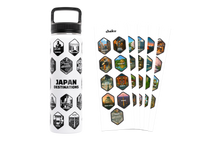
This is one of the 27 destinations on the Japan Destinations I Traveler bucket-list bottle — built for first-time Japan visitors planning a trip that covers the essentials. Live on Kickstarter until July 26. Reserve yours now at the best prices we'll offer.
What is Harajuku fashion, actually?
Not one style but a geography of them. MATCHA frames the area as three registers: Takeshita-dori's trend engine, the Cat Street and Ura-Hara culture corridor, and Omotesando's high-brand avenue.
The word "Harajuku" flattens what is really a cluster of scenes a few hundred meters apart. Japanese guides keep them distinct, and shopping goes better when you do too.
| Street | The scene | Japan-origin picks | Best for |
|---|---|---|---|
| Takeshita-dori | Kawaii, teen trends, crepes | Boutique Takenoko, Daiso, crepe stands | The spectacle, small souvenirs |
| Laforet | Gothic-lolita and subculture | Angelic Pretty, Atelier Pierrot, Jane Marple | Serious subculture fashion |
| Cat Street / Ura-Hara | Streetwear, vintage | BAPE, Onitsuka Tiger, RAGTAG, On Tokyo | Menswear, sneakers, resale |
| Omotesando | Designer, international luxury | Select boutiques | Grown-up budgets, architecture |
One warning that saves disappointment: the brands below are placed where directories put them in 2026, not where blog posts remember them. Harajuku turns over constantly. That churn is the district's actual product.
What is really on Takeshita Street now?
A ~350-meter trend engine where kawaii culture now shares the street with a visible Korean wave. The Japan-origin anchors: the lolita institution Boutique Takenoko, the giant Daiso, and the crepe stands that define the walk.
Per MATCHA, Takeshita-dori runs about 350 meters from the arch outside JR Harajuku's Takeshita exit, and it remains the launchpad of Japanese youth trends and kawaii culture. The classic experience survives intact: buy a crepe, join the slow river of people, and read the street like a trend report.
The honest 2026 note is that the trend report currently says Korea. MATCHA's latest guide highlights new Korean arrivals, lifestyle brand WIGGLE WIGGLE's first Japan store opened here in December 2024, alongside Korean-style cafes and fashion resellers. That is not a decline; Takeshita has always sold whatever Japanese teenagers want this year. But if your suitcase mission is Japan-origin fashion, aim carefully: Boutique Takenoko, the street's long-standing lolita and costume house, and the huge Daiso for the ¥110 tier of kawaii, with the crepe in hand as the toll.
For everything else on and around the street, our things to do in Harajuku guide covers the full neighborhood.
Is Laforet still Harajuku's subculture headquarters?
Yes, with a changed cast. The current official directory lists Angelic Pretty, ALICE and the PIRATES, Atelier Pierrot, Metamorphose and Jane Marple, a gothic-lolita concentration that exists nowhere else.
Laforet is where guidebook rot shows most, so we checked the building's official tenant directory directly. The gothic-lolita and subculture floor is alive and specific: Angelic Pretty's sweet-lolita pastels, ALICE and the PIRATES, Atelier Pierrot's elegant-gothic range, Metamorphose HARAJUKU, and Jane Marple's prim vintage romance. For anyone in that world, this single building justifies the trip to Japan.
Names you may arrive expecting are absent from the current list. Neither Hysteric Glamour nor several of the other subculture houses long associated with the building appear in today's directory, so treat any older guide's floor-by-floor promises with suspicion, ours included, after enough time passes.
Two directory entries deserve an origin flag, because they read as local: X-girl and MILKFED. both trace to American origins, MILKFED. created in 1994 by Sofia Coppola before passing into Japanese operation. Wearing them is fine. Flying them home as "Japanese fashion" misses what you came for. The genuinely Japan-born alternatives are one floor away.
❤️ For the full Tokyo route that pairs with this kind of neighborhood walk, the cheku 9 Days in Tokyo guide has 106 pages of local knowledge and our photography — built around what to do, day by day. Live on Kickstarter until July 26. Reserve yours now at the best prices we'll offer.
Where did the streetwear go?
Cat Street and Ura-Harajuku, same as always. The ~700-meter walkway toward Shibuya carries On Tokyo, RAGTAG and the outdoor brands; the backstreets past Meiji-dori hold BAPE, on the blocks where Nigo founded it in 1993.
Cat Street, per MATCHA, is the roughly 700-meter pedestrian ribbon connecting Harajuku to Shibuya, and its register is casual-considered: adidas Originals and Patagonia storefronts, the Japanese running brand On Tokyo, and RAGTAG, the secondhand designer shop where patient flippers find CDG and Yohji at real-world prices.
Cross Meiji-dori from Takeshita and you are in Ura-Harajuku, the backstreet grid that made Japanese streetwear a global language. The current tenant list MATCHA gives is a mixed passport: BAPE STORE and Onitsuka Tiger are the Japan-origin anchors, BAPE founded right here in Ura-Harajuku by Nigo in 1993, per the standard brand histories, while Supreme and Stüssy, whatever their local devotion, are American imports. Santa Monica, one of the area's veteran vintage shops, rounds out the resale layer.
We keep the deeper brand profiles in our Japanese streetwear guide and the full Tokyo brand hub, so this post stays what it is: the street map.
A photographer's note, because Harajuku gives more than it sells: the best frame in the district is Cat Street's first hundred meters in late-afternoon light, when the crowd thins to locals and the storefronts' glass goes gold. Takeshita photographs best from the arch, shot down the slope into the crowd, early enough that the street still shows through it.
Free for you: our Tokyo Google Maps list We keep a Google Maps list of the must-see spots around Tokyo - restaurants, cafes, shops, viewpoints, and streets worth the detour. Drop your email and we'll send it over.
What about Omotesando and the designer end?
The register change. The zelkova-lined avenue is Harajuku's grown-up address, international luxury alongside Japanese designer boutiques, best treated as architecture-first browsing.
Omotesando runs perpendicular to everything above and belongs to a different income bracket. MATCHA files it as the high-brand avenue, the calm counterweight to Takeshita's noise, and that is the honest shopping advice too: come for the flagship architecture and the Japanese designer boutiques scattered along the side streets, and let the buying happen where your budget lives.
We deliberately keep this section general. Tenants at this end move like everywhere else in Harajuku, and the designer names worth a pilgrimage, and which building holds them this year, are tracked in our select shops explainer and brand hub rather than pinned here to go stale.
How do you shop Harajuku in half a day?
In one line downhill: Takeshita at opening, Laforet mid-morning, Ura-Hara and Cat Street after lunch, drifting toward Shibuya. Match the order to the crowds, not the map.
Shops around Harajuku mostly open near 11:00, and the crowd builds through the afternoon, so the route writes itself:
Takeshita-dori at 11:00 → the spectacle while it is still walkable, crepe included Laforet next → subculture floors before the weekend queues form Ura-Hara after lunch → BAPE, Onitsuka Tiger and the vintage rooms at browsing pace Cat Street to finish → the slow 700 meters toward Shibuya as the light improves
Go if: you want Japan's fashion range, teen kawaii to gothic-lolita to streetwear, compressed into one walkable district. Plan differently if: your target is one specific brand. Check its current location the week you fly; this district's only constant is turnover.
Souvenir-tier buys from the same streets live in our Harajuku souvenirs guide, which pairs with this one for anyone shopping under ¥5,000.
❤️ If you're planning a first Japan trip, the cheku Japan Destinations I Traveler bucket-list bottle illustrates the 27 destinations that hold up after the research — part travel guide, part souvenir, and a daily essential for the trip itself. Live on Kickstarter until July 26. Reserve yours now at the best prices we'll offer.
FAQ
Is Harajuku still worth visiting for fashion?
Yes, if you know which street you came for. Takeshita-dori is the kawaii theater, now with a visible Korean-brand wave. Laforet still houses a genuine gothic-lolita floor. Cat Street and Ura-Harajuku hold the streetwear, including the block where BAPE was born. Omotesando is the designer register. Four different Harajukus, one station.
What brands can you only find in Harajuku?
The lolita houses are the honest answer. Laforet's current directory lists Angelic Pretty, ALICE and the PIRATES, Atelier Pierrot, Metamorphose and Jane Marple, a concentration that exists nowhere else in the world. Streetwear names like BAPE and Onitsuka Tiger have shops elsewhere, but Ura-Harajuku is where that culture started.
Is everything in Harajuku Japanese?
No, and it matters if you are shopping for Japan-origin pieces. Supreme and Stüssy in Ura-Harajuku are American brands. X-girl and MILKFED. at Laforet are American-born labels now operated in Japan. Takeshita-dori has a growing wave of Korean fashion and cafes. The genuinely Japanese names are flagged throughout this guide.
When should you go shopping in Harajuku?
Weekday mornings for shopping, weekend afternoons for people-watching. Takeshita-dori fills to a shuffle on weekends, which is part of the spectacle but the enemy of trying things on. Shops mostly open around 11:00, so start with the backstreets and Cat Street, then hit Takeshita as doors open.
Sources
- Laforet Harajuku official shop directory — current tenant list, checked 2026-07-17
- MATCHA — 原宿の観光スポット40選 — street lengths and roles, the Takeshita Korean-brand wave, Cat Street and Ura-Hara shop names
- Wikipedia — A Bathing Ape — BAPE's founding by Nigo in Ura-Harajuku, 1993
Activities and tours in Tokyo
cheku is a GetYourGuide partner. We link to tours that handle the parts of travel that eat your time, getting there, booking ahead, language, context you'd otherwise miss. If you book through our link, we earn a small commission at no extra cost to you.


