
Kyoto's souvenir identity is built on things no other Japanese city produces: yatsuhashi (cinnamon cookies in production since 1689), Uji matcha from the tea region 20 minutes south, Kiyomizu-ware ceramics from the Higashiyama pottery district, and pickles from Nishiki Market. Japanese sources are clear that the best Kyoto shopping happens at depachika and specialist craft shops, not at the stalls immediately adjacent to Kiyomizu-dera.
Kyoto is the city Japanese domestic travel writing is most precise about when it comes to souvenir advice. The gap between what's sold at the tourist-facing stalls along Ninenzaka and what's available at Isetan Kyoto or a genuine Nishiki Market vendor is larger than in most Japanese cities. On jalan.net, Kyoto shopping guides consistently make this distinction: the tourist-zone version of Kyoto omiyage and the local version are different lists.
For the full national Japan souvenir picture with source data, the Japan souvenirs guide covers 30 categories. For how Kyoto fits into a broader Japan itinerary that also covers what to buy in other cities, the what to buy in Japan guide covers the national framework.
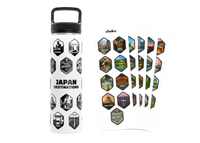
If you're planning which Japan destinations to build time around — including Kyoto and the Kansai region — the Traveler Bottle maps 27 key destinations with practical planning context.
What makes Kyoto souvenirs different from the rest of Japan?
Kyoto's souvenir landscape is shaped by 1,200 years of being Japan's imperial capital. The craft traditions, food omiyage culture, and aesthetic standards that developed in Kyoto during that time produce a souvenir scene with clear local provenance. Japanese domestic travel writing on jalan.net covers Kyoto omiyage as a distinct category precisely because so much of it can't be replicated elsewhere.
The practical effect: things labeled as "Kyoto" have a story behind them in a way that generic Japan souvenirs don't. Yatsuhashi has been produced in Kyoto since 1689. Uji matcha comes from Uji, a 20-minute train ride from Kyoto Station, where tea has been grown since the 12th century. Kiyomizu-ware ceramics are made in Kyoto's Higashiyama district, near the temple that gave the tradition its name. These are not marketing claims — they're facts that Japanese buyers know and that make the gift mean something.
What is yatsuhashi and why is it Kyoto's most famous omiyage?
Yatsuhashi (八ツ橋) has been produced in Kyoto since 1689, making it one of the oldest continuously produced wagashi in Japan. Japanese domestic travel writing on jalan.net and food writing on note.com consistently place it first in any Kyoto omiyage list.
The original crispy version: thin, triangular cookies flavored with cinnamon and black sesame, baked until dry. Shelf life of 2–3 weeks. Available in gift boxes of 30–50 pieces at ¥500–2,500. The packaging signals Kyoto — the design reflects traditional Japanese graphic conventions, immediately identifiable as a considered Kyoto purchase.
Nama-yatsuhashi (raw yatsuhashi): the soft, unbaked version filled with anko (red bean paste). Shelf life of around 7–10 days. Available in plain, matcha, chocolate, and seasonal flavors. Japanese food writing on note.com describes nama-yatsuhashi as the version Kyoto residents consider more representative of the city's current wagashi sensibility — less formal, more seasonal, the kind of thing you bring back from a day trip to Kyoto rather than a formal business gift.
Both are available throughout Kyoto — at every train station, near every major temple, and at Isetan Kyoto's basement food hall with the quality and wrapping that depachika guarantee.
What Uji matcha is worth buying in Kyoto?
Uji is one of Japan's two most significant matcha-producing regions (alongside Nishio in Aichi Prefecture), with records of tea cultivation dating to the 12th century. Buying Uji matcha in Kyoto — where the tea comes from — is the straightforward quality case for this purchase.
Ceremonial-grade Uji matcha: ¥2,000–8,000 for 20–100g of quality powder. Available at department store tea sections (Isetan Kyoto, Takashimaya Kyoto), specialty tea shops in and around Nishiki Market, and directly from tea merchants in Uji City itself. note.com lifestyle writing on Kyoto shopping identifies the tea section at Isetan Kyoto Station as the most convenient reliable source.
What to look for: ceremonial grade (抹茶 / matcha) versus culinary grade. Ceremonial grade is for drinking; culinary grade is for baking and cooking. The color of quality ceremonial matcha is a vivid green — dull, brownish powder indicates age or lower grade.
What Kyoto ceramics are worth buying?
Kiyomizuyaki (清水焼) is Kyoto's regional pottery tradition. Named for the Higashiyama district near Kiyomizu-dera temple, the tradition covers hand-painted designs in traditional Kyoto color schemes — soft greens, deep reds, gilded details on white porcelain. Japanese domestic travel writing describes kiyomizuyaki as the most distinctly Kyoto craft object, its aesthetic shaped by the city's court culture.
Pieces range from everyday teacups and small bowls (¥1,500–5,000) to artisan plates and vases (¥5,000–20,000+). The shopping streets of Ninenzaka and Sannenzaka (between Kiyomizu-dera and Gion) have the highest concentration of ceramics shops, though tourist-zone pricing applies at stalls aimed at passing foot traffic. The specialist ceramics shops further along, and the kiyomizuyaki galleries in Gion, carry higher-quality pieces with clearer provenance.
Free for you: our Kyoto Google Maps list We keep a Google Maps list of the best spots around Kyoto — temples, food markets, ceramics shops, and streets worth the detour. Drop your email and we'll send it over.
What is Nishiki Market and what's worth buying there?
Nishiki Market (錦市場) is a 400-meter covered market in central Kyoto described in Japanese food writing as "Kyoto's kitchen" — the traditional food market that has supplied the city's restaurants and households for centuries. jalan.net Kyoto food guides consistently recommend it as the best place to buy Kyoto-specific food items.
What's worth buying at Nishiki for packing and bringing home: tsukemono (Kyoto pickles). Kyoto-style pickles are distinct from other Japanese regional styles — senmaizuke (thinly sliced turnip in sweetened vinegar), shibazuke (eggplant and cucumber cured with red perilla and salt), and suguki (a Kyoto-specific turnip pickle with a slightly sour flavor). These are packaged for travel at most Nishiki stalls, with clear labeling and appropriate shelf life.
Kyoto-style white miso (Saikyo miso): sweeter and milder than red miso, used in Kyoto cooking for fish and vegetable dishes. Available in sealed packages at Nishiki stalls and depachika food halls, practical to bring home.
Fresh tofu and yuba (tofu skin): consumed in the market, not a take-home purchase. The experience of eating fresh Kyoto tofu at a Nishiki stall is itself worth it as a travel moment; the product doesn't travel.
Where should you shop in Kyoto for the best souvenirs?
| Location | Best for | Notes |
|---|---|---|
| Isetan Kyoto Station (B2 food hall) | Yatsuhashi gift boxes, Uji matcha, Kyoto wagashi | Convenient; quality guaranteed; depachika wrapping |
| Takashimaya Kyoto (Shijo) | Premium wagashi, sake, Kyoto confections | Slightly more upmarket selection |
| Nishiki Market | Kyoto pickles, miso, street food | Fresh and packaged options; arrive early |
| Ninenzaka / Sannenzaka | Kiyomizuyaki ceramics, craft items | Tourist-zone pricing; choose shops carefully |
| Gion specialty shops | Higher-quality ceramics; Kyoto textiles | Less foot traffic; staff who know their products |
| Uji City | Uji matcha direct from tea merchants | 20 min from Kyoto Station; worth the side trip |
| Best for | One-stop omiyage shopping | Isetan Kyoto Station depachika — covers yatsuhashi, matcha, wagashi in one stop |
FAQ
How is Kyoto shopping different from Tokyo shopping? Kyoto has deeper provenance on specific categories — yatsuhashi, Uji matcha, kiyomizuyaki ceramics, Kyoto pickles — that reflect the city's specific history. Tokyo has stronger advantages in stationery (Itoya), craft objects (Kappabashi Street), and the concentration of branded omiyage at Tokyo Station. Japanese domestic travel writing treats them as complementary shopping cities, not competing ones.
Is Nishiki Market worth visiting for shopping? For food items — Kyoto pickles, local tofu, fresh wasabi, seasonal wagashi — yes. For general souvenir shopping, the street is heavily tourist-oriented and the non-food items reflect that. The food stalls with clear Kyoto provenance (pickles, miso, local tofu) are the reason to go. Plan a morning visit: the market fills with tour groups by late morning.
What Kyoto souvenirs have the longest shelf life? Crispy yatsuhashi (2–3 weeks), Uji matcha powder in sealed packaging (6–12 months in cool storage), quality sake (indefinitely if stored correctly), and Kiyomizuyaki ceramics (indefinitely). For traveling visitors, crispy yatsuhashi and sealed matcha are the most practical long-haul purchases.
What Kyoto craft items are worth buying outside the tourist stalls? Kiyomizuyaki ceramics from specialist galleries in Gion rather than tourist-facing stalls on Ninenzaka. Kyoto-specific furoshiki (wrapping cloths) in traditional Nishiki-ori weave from textile specialists rather than souvenir shops. Keiko Furoshiki's guide covers the furoshiki tradition; Kyoto versions reflect the city's textile heritage specifically.
Sources
- jalan.net — Kyoto domestic travel guides, Nishiki Market recommendations, yatsuhashi brand coverage, depachika rankings
- note.com — Kyoto resident writing on what's worth buying, seasonal wagashi, Uji matcha sourcing
- Tokyo Cheapo — Wagashi guide — wagashi price context applicable to Kyoto's depachika scene
- Keiko Furoshiki — furoshiki craft tradition and Kyoto textile context
Activities and tours in Tokyo
cheku is a GetYourGuide partner. We link to tours that handle the parts of travel that eat your time, getting there, booking ahead, language, context you'd otherwise miss. If you book through our link, we earn a small commission at no extra cost to you.


