
Osaka's souvenir identity is food-first. The city's kuidaore culture — eating until you drop — shapes what's worth buying: food omiyage from depachika basements, packaged versions of the dishes Osaka invented, and regional sake that reflects the city's specific food palate. The tourist-zone version of this shopping looks almost nothing like what Japanese food media recommends.
"Kuidaore" (食い倒れ) is the phrase Osaka has used to describe itself for generations: a city so devoted to eating well that you'd spend yourself into ruin doing it. The phrase captures something real about what's actually worth buying there. Osaka's souvenir scene is anchored in food, and the food omiyage in Osaka's department store basements and at Kuromon Ichiba Market reflects a local palate that has been perfecting specific dishes since the city was Japan's commercial capital.
Tabelog reviewers who cover Osaka food and Japanese domestic travel writing on jalan.net return to the same advice: buy food omiyage from depachika, not from tourist-zone souvenir shops adjacent to Dotonbori. The quality gap is real, and the prices in tourist-zone shops are not lower.
If you're planning which Osaka districts to spend time in alongside your shopping, the Japan souvenirs guide covers the national framework. For how Osaka fits into a broader Japan itinerary and where it sits relative to Tokyo and Kyoto for shopping, the what to buy in Japan guide covers the full country comparison.
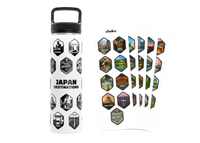
The Explorer Bottle maps the Osaka-region destinations worth building an itinerary around — including where Osaka fits in a Kansai trip that also covers Kyoto and Nara.
What makes Osaka's souvenir culture different from Tokyo's?
Osaka souvenir shopping is shaped by food culture in a way Tokyo's is not. Where Tokyo omiyage culture centers on branded confections with clear Tokyo identity (Tokyo Banana, Press Butter Sand), Osaka's recommended shopping reflects a city where food is the primary civic identity.
Japanese food media writing on note.com about Osaka omiyage consistently returns to things you can eat that represent what Osaka actually does well: the snack and packaged food versions of dishes the city invented, sake that reflects the Kansai palate, and condiments from the kitchen markets that supply Osaka's restaurants.
The shopping districts reflect this. Shinsaibashi-suji, Namba, and Dotonbori are primarily food and dining destinations that happen to have retail. The serious omiyage shopping, where locals buy gifts to bring back to colleagues and family, happens at the depachika: the basement food halls of Takashimaya Osaka in Namba, the Daimaru Osaka Shinsaibashi, and Grand Front Osaka in Umeda.
What Osaka food souvenirs are worth buying?
The food souvenirs worth buying in Osaka are the ones tied to what Osaka actually invented. Japanese food writing treats this as the basic credibility test for Osaka omiyage.
Takoyaki-flavored snacks. Takoyaki (octopus balls) was invented in Osaka in the 1930s, and the city maintains a specific ownership of the dish that shapes what's sold as Osaka omiyage. Packaged takoyaki-flavored snacks — crispy rounds, flavored sauces, dried versions of the toppings — are the Osaka-specific food gift that Japanese domestic travelers pick up. Available throughout Namba and Dotonbori area shops, and at the Takashimaya Osaka depachika.
Pocky from Glico. Pocky was introduced in 1966 by Glico, an Osaka-based company. The Glico Man sign in Dotonbori is one of the most photographed images in Japan. While Pocky is available everywhere in Japan, buying it in Osaka has a story attached — this is where it started. Tokyo Cheapo's Kit Kat guide provides useful regional snack context; the Osaka Glico shops near Dotonbori carry premium Pocky versions not widely available outside the city.
Okonomiyaki-flavored confections. Kansai-style okonomiyaki (savory pancake) has its own distinctive flavor profile from Tokyo's Kanto version, and the snack versions sold in Osaka reflect that. Japanese food writing on jalan.net consistently includes okonomiyaki-flavored snacks as among the most specifically Osaka food gifts.
Regional sake. Osaka Prefecture's sake production areas and the adjacent Nada region of Hyogo Prefecture (one of Japan's most significant sake-producing areas) make sake an especially strong Osaka shopping category. Department store sake sections at Takashimaya Osaka and Grand Front Osaka carry ranges that reflect the Kansai food palate: drier, cleaner styles that Japanese food writers describe as designed for pairing with Osaka's seafood-forward cuisine. Entry sake runs ¥2,000–5,000; premium junmai daiginjo ¥5,000–15,000.
What is Kuromon Ichiba Market and what's worth buying there?
Kuromon Ichiba Market is described in Japanese food media as "Osaka's kitchen" — the wholesale and semi-wholesale food market that supplies many of the city's restaurants. It's primarily a fresh food market (seafood, produce, prepared foods), but also carries packaged goods and condiments worth bringing home.
What's worth buying at Kuromon for packaging and taking home: packaged dashi (stock), regional condiments, dried seafood that travels well, and the specialist tsukemono (pickles) that Osaka's kitchen culture selects differently from what you'd find in Tokyo. The stalls in the middle and eastern sections of the market tend to carry more packaged goods alongside the fresh produce.
What's marketed at Kuromon for tourists versus what Japanese food buyers actually purchase: fresh seafood eaten on-site (the tourist side), versus packaged condiments and dried goods that represent the actual pantry of Osaka cooking (the local purchasing side).
Where do Osaka locals shop for omiyage?
Japanese domestic travel writing and jalan.net Osaka guides agree: depachika over tourist-zone shops. The three Osaka depachika that appear most consistently in food media recommendations:
| Depachika | Location | Best for |
|---|---|---|
| Takashimaya Osaka | Namba (6F–B2) | Widest range; Kansai-specific brands; gift wrapping |
| Daimaru Osaka Shinsaibashi | Shinsaibashi | Central location; premium wagashi; quality sake |
| Grand Front Osaka | Umeda | Contemporary Osaka food brands; regional confections |
| Kuromon Ichiba Market | Nipponbashi | Fresh food market; packaged condiments; specialty dried goods |
| Namba/Dotonbori area shops | Namba | Takoyaki snacks; Pocky; Osaka-branded confections |
| Best for | One-stop omiyage | Takashimaya Osaka depachika — covers everything in one location |
The consistent warning in Japanese food writing: souvenir shops on Dotonbori's main strip sell products at tourist markup with no corresponding quality advantage. The same items at Takashimaya Osaka's basement cost the same or less and come with careful gift wrapping.
Free for you: our Osaka Google Maps list We keep a Google Maps list of the best spots around Osaka — restaurants, food markets, neighborhood cafes, and shops worth the detour. Drop your email and we'll send it over.
What Osaka craft and design items are worth buying?
Osaka's craft souvenir scene is narrower than Tokyo's, reflecting a city that has historically specialized in commerce and food over craft production. The craft purchases most worth making in Osaka are the ones that travel across the Kansai region more broadly:
Furoshiki from Osaka department stores. Keiko Furoshiki's guide covers the tradition: square wrapping cloths in a range of sizes (70–120cm), used for wrapping gifts, carrying groceries, or displaying as textile art. Daimaru and Takashimaya Osaka carry reliable selections in traditional and contemporary designs, ¥1,000–3,500 for standard versions.
Nishiki-style textiles. Osaka has its own textile tradition (Naniwa-ori) rooted in the city's Edo-period role as Japan's commercial center. Items from this tradition — scarves, small textile goods — are available at specialty craft shops and some depachika gift sections. Harder to find than in Kyoto, but present.
Sake cups and glassware. Given Osaka's sake significance, buying a single quality ceramic sake cup or glass for the specific sake you're taking home makes the gift complete. Department store homeware sections carry appropriate pieces.
FAQ
Is Osaka or Kyoto better for shopping? Different shopping categories. Kyoto is stronger for traditional craft (Nishiki textiles, Kiyomizu ceramics, specific Kyoto-branded wagashi). Osaka is stronger for food omiyage reflecting a more casual, food-first culture: the packaged versions of Osaka's cuisine, regional sake, and Kansai-specific confections. If you're eating your way through Osaka, buy the food version of what you're eating.
What is the best area in Osaka for souvenir shopping? For food omiyage: Takashimaya Osaka in Namba (depachika basement) or Kuromon Ichiba Market for the kitchen-culture version. For general shopping: Shinsaibashi-suji covered arcade is the most concentrated retail street. For a more local version of the same: the streets around Tenjinbashisuji shotengai — one of Japan's longest covered shopping streets — carry shops less optimised for tourist traffic.
What's the best food gift to bring back from Osaka? Takoyaki-flavored snacks for something Osaka-specific and portable, regional sake for a higher-investment gift with a clear story behind it, or a selection of Kansai-style wagashi from a Takashimaya depachika counter. The omiyage test from Japanese food writing: can you tell the recipient where it came from and why Osaka specifically? Takoyaki snacks, Glico Pocky, and Kansai sake all pass.
Is Dotonbori a good place to shop for souvenirs? For eating and experiencing Osaka food, yes. For souvenir quality and price, no. Japanese domestic travel writing is consistent: Dotonbori's tourist-zone souvenir shops sell at tourist markup with no quality advantage over depachika equivalents. Walk Dotonbori for the food and the Glico Man sign; buy omiyage at Takashimaya Osaka or Grand Front Osaka.
Sources
- jalan.net — Osaka domestic travel guides, depachika rankings, Kuromon Ichiba recommendations, Osaka omiyage lists
- note.com — Japanese lifestyle writing on Osaka food culture and what residents recommend for omiyage
- Tokyo Cheapo — Regional snack guide — regional snack context including Kansai area
- Keiko Furoshiki — furoshiki tradition and availability
Activities and tours in Tokyo
cheku is a GetYourGuide partner. We link to tours that handle the parts of travel that eat your time, getting there, booking ahead, language, context you'd otherwise miss. If you book through our link, we earn a small commission at no extra cost to you.


