
June has the lowest international tourist numbers of the year, hydrangea blooming across temple grounds, and rainy season running through most of the month. Japanese sources treat it as a legitimate — if humidity-heavy — travel window, and recommend two specific exceptions: early June before tsuyu begins, and Hokkaido, which has no rainy season at all.
Most English travel guides file June under "avoid." Japanese travel sources are more specific. Yes, tsuyu (梅雨) — the rainy season — is real, and it does limit certain types of travel. But June is also when international crowd pressure drops to its annual low, hydrangea blooms across every temple garden from Kamakura to Kyoto, and Hokkaido enters its best two months of weather. Understanding what tsuyu actually is, rather than what it sounds like, is what separates a manageable June trip from a wasted one.
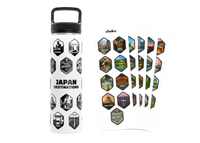
For destination ideas that work across Japan's varied June conditions, the Traveler Bottle maps 27 spots across the country — including several that are significantly better in June than at other times of year.
What is Japan like in June?
The Japan Meteorological Agency announces the official start of each region's rainy season annually. In recent years Tokyo's tsuyu has started between June 8 and June 21, and typically ends early to mid-July — a window of about 4–6 weeks. The start and end dates shift year to year.
What tsuyu actually means for travel: high humidity (consistently above 70% in Tokyo), frequent afternoon and evening showers, and occasional heavy rainfall events. Mornings are often clear. It is not the steady wall of rain the word "rainy season" implies in English. Japanese travel writers commonly describe June travel as suited to late-morning starts, temple and museum visits, and covered shopping streets — and less suited to full-day outdoor hiking or castle-ground walks.
Temperatures in June run 22–27°C in Tokyo, rising toward month's end. tenki.jp tracks the warming as the month progresses. Humidity is the constraint, not cold.
Early June (roughly June 1–12, before tsuyu typically begins) often has clear weather and is one of the least-crowded periods of the entire year. Japanese travel writers who want to recommend June for domestic tourists consistently point to this window — post-Golden Week, pre-tsuyu, with May-level temperatures and almost no international visitors.
How crowded is Japan in June?
JNTO visitor statistics show June as the year's lowest international visitor month. The combination of rainy season reputation and the absence of a Japanese domestic holiday cluster makes June genuinely quiet across all major destinations.
Kyoto in June is a different experience from any other month. Temples like Ryoanji and Kinkakuji — which run significant queues from March through November — can be visited with wait times comparable to a weekday in January. Arashiyama is quieter than at any other point in the tourist calendar. Japanese travel guides note this specifically: June is when Kyoto's sites become places again rather than queues.
For context with other months:
| Month | International visitors | Domestic mood |
|---|---|---|
| April | Peak | Golden Week building |
| May (GW) | High | Domestic peak |
| May (post-GW) | Moderate | Quiet |
| June | Lowest of year | Low — rainy season |
| July | Low-moderate | Summer starts |
What Japanese travelers actually do in June
Ajisai (紫陽花 — hydrangea) viewing is the dominant June activity in Japanese domestic travel content. The flower is the visual signature of tsuyu season and is treated in Japanese culture with specific aesthetic weight — hydrangea in the rain is a canonical image in June photography and literature.
The most consistently cited spots in Japanese travel sources:
- Meigetsuin Temple, Kamakura — nicknamed 明月院 (the hydrangea temple). The inner garden opens only during peak bloom (typically June 1–30). tenki.jp tracks bloom status. Japanese travel bloggers on note.com describe arriving before 9am to beat the domestic day-trip crowd from Tokyo.
- Hakone — multiple gardens and hillside paths with ajisai, combined with onsen. Japanese travelers treat Hakone as the June destination because it works in rain.
- Yanaka, Tokyo — smaller-scale ajisai in temple grounds throughout the neighborhood. Walkable without a dedicated viewing spot; the blooms appear incidentally along the cemetery paths and garden walls.
- Heian Shrine, Kyoto — iris (菖蒲/shobu) garden peaks in June alongside hydrangea, in a walled garden that is the least-visited major space in central Kyoto.
On Jalan.net, June travel surveys show domestic Japanese travelers prioritising Hokkaido and Kamakura in June, specifically citing lower humidity (Hokkaido) and accessible day-trip distance (Kamakura from Tokyo) as reasons.
Free for you: our Tokyo Google Maps list We keep a Google Maps list of the must-see spots around Tokyo - restaurants, cafes, shops, viewpoints, and streets worth the detour. Drop your email and we'll send it over.
June in Tokyo
Tokyo in June divides between the pre-tsuyu window (first 1–2 weeks) and the rainy-season period. Japanese travel writers recommend building June Tokyo itineraries around indoor destinations as anchors — teamLab, major museum shows, department store basement food halls, covered shotengai shopping streets — with outdoor visits planned for mornings.
Meiji Shrine's inner garden (花菖蒲/hanashobu iris garden) peaks in mid-June. It's one of the least-visited major spaces in central Tokyo despite being walkable from Harajuku Station. Japanese sources note that it draws almost exclusively domestic visitors — the garden is not on the international tourist circuit in the way that Senso-ji or Shibuya Crossing are.
June is also when Tokyo's late-night eating scene becomes the primary social activity for Japanese residents. The heat and humidity push social life later into the evening; izakaya, standing bars in Shibuya's alleys, and covered market streets around Yurakucho are the June format. Things to do in Shibuya covers the neighborhood's range; the covered bars along Nonbei Yokocho and Shibuya Stream are the June-specific recommendation from Japanese lifestyle sources.
June in Hokkaido
Hokkaido has no rainy season. This single fact drives a significant portion of Japanese domestic June tourism.
June in Hokkaido (particularly central Hokkaido and the Furano-Biei area) means: clear weather most days, temperatures 15–22°C, and the beginning of lavender season in late June that runs through July. tenki.jp confirms June as one of Hokkaido's most consistently clear months. Japanese travel writers describe it as the island's most underappreciated window — before the summer domestic rush of July-August, with the best weather of the year.
For travelers who want Japan in June without tsuyu, Hokkaido is the answer Japanese sources give most consistently.
Practical notes for June
Tsuyu is manageable, not prohibitive: A compact umbrella, light waterproof layer, and an itinerary built around morning outdoor visits handle most of what rainy season throws at Tokyo travel. Japanese sources don't recommend avoiding June wholesale — they recommend building the trip type that works in it.
Book Kamakura early for ajisai: Meigetsuin's inner garden and the Kamakura day-trip route from Tokyo gets busy on June weekends among Japanese domestic tourists, even though international numbers are low. Weekday visits are significantly quieter.
Gion Matsuri begins: Kyoto's Gion Matsuri officially runs all of July, but preparatory events and float assembly begin in late June. Japanese sources note that late June in the Gion district already has a festival atmosphere without the July crowds.
Summer clothes + waterproof layer: June is warm enough for summer clothing but rainy-season humidity makes breathable fabrics important. A light rain jacket doubles as sun protection for early-month clear days.
June's reputation as a month to avoid is mostly an international guide problem, not a Japanese travel reality. For a full seasonal calendar and the months Japanese sources rank highest overall, see The Best Time to Visit Japan. And if you're planning where to go in June, the Traveler Bottle maps 27 destinations that span the country — several of them specifically strong in June.
FAQ
Is it worth visiting Japan during rainy season? Yes, with the right trip type. Museum-heavy itineraries, Kamakura ajisai viewing, Hokkaido, and Kyoto without queues are all strong June options. Full-day mountain hikes and extended outdoor castle grounds are more weather-dependent. Crowd levels are the year's lowest, which counts for a lot.
When does rainy season start in Tokyo? The Japan Meteorological Agency announces the official date annually, typically mid-June. In recent years it has ranged from June 8 to June 21. Early June is usually clear; the second half of the month is wetter.
Does Kyoto have rainy season in June? Yes, on a similar schedule to Tokyo — tsuyu reaches Kyoto slightly earlier, typically starting in early to mid-June. Visitor numbers drop to their year's low, making major sites significantly more accessible than in spring or autumn.
Is Hokkaido good to visit in June? Hokkaido is one of the best Japanese destinations specifically in June — no rainy season, mild temperatures (15–22°C), and lavender beginning in late June in the Furano area. Japanese domestic travelers book Hokkaido in June partly to escape the mainland's tsuyu.
Sources
- Tsuyu Start and End Dates by Region — Japan Meteorological Agency, updated annually
- Japan Weather and Bloom Tracking — June — tenki.jp, Japan's major weather service
- Japan Tourism Statistics — JNTO, confirming June as the year's lowest international visitor month
- Jalan June Travel Guides — Japan's largest domestic travel platform, June domestic travel patterns
Activities and tours in Tokyo
cheku is a GetYourGuide partner. We link to tours that handle the parts of travel that eat your time, getting there, booking ahead, language, context you'd otherwise miss. If you book through our link, we earn a small commission at no extra cost to you.


