
Japan's best souvenir shopping is not in airport gift shops. It's spread across five channels: department store depachika (basement food halls) for regional sweets, major station gift corridors for meibutsu-by-region, Tokyu Hands and Loft for lifestyle and stationery, specialist craft districts like Kappabashi and Kiyomizu, and Don Quijote for late-night practical buys. This guide maps the categories Japanese travel media consistently recommends.
The default "Japan souvenir shop" most visitors encounter is the airport gift wall: rows of branded boxes, narrow selection, slightly inflated prices. The default Japan souvenir shop Japanese people use looks completely different. It's the basement of a department store, a corridor inside a major Shinkansen station, a specialist district where craft makers have been operating for generations, or a multi-floor lifestyle store like Tokyu Hands.
Japanese domestic travel media — jalan.net, note.com, icotto, TABIZINE, and Tripnote — consistently routes shopping advice through these channels. Generic tourist gift shops barely appear in their coverage.
For the broader Japan souvenir picture across categories and price points, the Japan souvenirs guide is the overview. For Tokyo-specific shopping with neighborhood detail, the Tokyo souvenirs guide covers the in-city version.
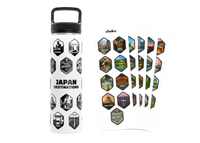
The Traveler Bottle maps the 27 Japan destinations with the strongest shopping — useful for planning where to spend time in each region.
What is a depachika and why is it the best place to buy souvenirs?
Depachika (デパ地下) refers to the basement food halls in Japanese department stores. They are the single highest-density concentration of quality regional sweets, prepared foods, and gift-worthy items in Japan. Japanese shopping writing on jalan.net and note.com treats depachika as the default starting point for serious omiyage shopping.
Every major Japanese department store maintains a basement food hall: Isetan, Mitsukoshi, Daimaru, Takashimaya, Hankyu, Tobu, and others. Each has dozens of stalls covering wagashi (traditional Japanese sweets), Western-style pastries, prepared food, fresh sashimi and meat, regional sweet meibutsu, premium tea, and gift-wrapped specialty items. The quality control is consistent — department stores have reputations to protect and don't carry items that fail their internal standards.
The standout depachika locations:
Isetan Shinjuku. The most extensive depachika in central Tokyo. Multiple floors of food, with the basement levels organized by category. Particularly strong on regional Japanese sweets, premium tea (Ippodo Tea has a counter here), and bento for Shinkansen rides. Japanese lifestyle writing consistently ranks Isetan Shinjuku's basement as the most comprehensive food retail experience in Tokyo.
Daimaru Tokyo Station. Direct access from Tokyo Station's Yaesu side. The most convenient depachika for travelers leaving by Shinkansen. Heavy concentration of Tokyo meibutsu (Tokyo Banana, Ningyo-yaki, premium Tokyo sweets) — the gift floor and the basement together make it possible to do all omiyage shopping in one stop before boarding a train.
Takashimaya (multiple locations). The Nihonbashi flagship has the most extensive sweet selection; Shinjuku Takashimaya is more centrally located for visitors staying in Shinjuku.
Hankyu Umeda (Osaka). The standard for Osaka depachika. Strong on Osaka and Kansai regional sweets, takoyaki-flavored snacks, and Osaka gift items.
The depachika logic: a Japanese person buying omiyage for colleagues doesn't go to a tourist gift shop. They stop at the basement of the nearest major department store on their way home. The selection is broader, the quality is higher, and the gift wrapping is included.
Which Japanese train stations have the best souvenir corridors?
Major Shinkansen stations in Japan have dedicated gift corridors that function as the country's largest meibutsu retail concentration. Rurubu &more and TABIZINE cover these as standard stops for regional omiyage purchasing.
Tokyo Station — Tokyo Gift Palette and Ekibenya Matsuri. Tokyo Station's gift retail spans multiple areas: the Tokyo Gift Palette near the central concourse carries Tokyo meibutsu (Tokyo Banana, regional Tokyo sweets, premium sweets like Toraya), and Ekibenya Matsuri concentrates the country's bento (ekiben) selection from regional producers across Japan in one corridor. For pre-Shinkansen shopping, Tokyo Station is the most efficient single location in the city.
Kyoto Station — Omiyage floor. Kyoto Station's gift floor concentrates Kyoto meibutsu: yatsuhashi from multiple makers (Honke Nishio, Otabe, Honke Tsujiri), Uji matcha products, Kyoto-specific wagashi, and Kyoto-style packaging. Direct access from the Shinkansen platforms makes it the standard buying stop before leaving Kyoto.
Shin-Osaka Station — Gift corridor. Osaka meibutsu (takoyaki-flavored items, 551 Horai pork buns for short-distance travel, Osaka sweets) concentrated near the Shinkansen platforms. The 551 Horai counter is famous; the line moves fast.
Hakata Station (Fukuoka) — Mentaiko-themed gift area. Hakata Station's gift floor organises Fukuoka's signature mentaiko-flavored products specifically: mentaiko rice crackers, mentaiko-flavored pasta sauce, mentaiko snacks, and the seafood-based meibutsu Fukuoka is known for.
Shin-Aomori, Sendai, Nagoya, Hiroshima, Hakata Stations. Each major Shinkansen station has its own gift corridor concentrating regional meibutsu. The pattern is consistent: stations function as the last-mile gift purchase point before travelers head home.
What is Tokyu Hands and why is it the best one-stop souvenir shop?
Tokyu Hands is a Japanese lifestyle department store with stationery, kitchen, hobby, travel, and craft goods across multiple floors. Tabimaniajapan's stationery guide and Japanese lifestyle writing on note.com consistently rank it as the best single-store option for Japan-themed souvenir shopping across categories.
The largest Tokyu Hands branches in central Tokyo — Shibuya and Shinjuku — carry: Japanese stationery (washi tape, character notebooks, Midori MD notebooks, Pilot and Uni pens, traditional brush sets), Japanese kitchen tools (knives at multiple price tiers, silicone onigiri molds, drop lids, specialist tools), traditional craft items (small lacquerware, ceramics, furoshiki, tenugui), beauty products (Japanese sheet masks, skincare), hobby supplies, travel goods, and seasonal items.
The advantage over specialist shops: breadth. Someone buying souvenirs for multiple recipients with different tastes can cover stationery for one person, a kitchen tool for another, and a craft item for a third in one store. The advantage over Don Quijote: curation. Tokyu Hands selects products by category quality rather than discount pricing.
Locations worth knowing: Shibuya Tokyu Hands (the largest and most central in Shibuya), Shinjuku Tokyu Hands (Times Square building, multi-floor), Ikebukuro Tokyu Hands (large; convenient if staying north).
Loft is the closest competitor — owned by Seibu/Sogo, similar concept, slightly different inventory mix. The Shibuya Loft and Ginza Loft are the most central. For someone with limited time, either covers most Japan souvenir needs in one stop.
Free for you: our Tokyo Google Maps list We keep a Google Maps list of the must-see spots around Tokyo — shopping districts, craft shops, depachika locations, restaurants, and viewpoints worth the detour. Drop your email and we'll send it over.
Which specialist craft districts are worth visiting for souvenir shopping?
Japan's specialist craft districts concentrate makers and shops by craft type in geographically distinct neighborhoods. The Kogei Japan directory and Discover Japan cover these as the substantive craft retail channels.
Kappabashi (Tokyo) — Kitchen tools and tableware. A 1-kilometer street near Asakusa lined with shops selling Japanese kitchen tools: knives (multiple specialist shops at every price tier from ¥3,000 starter knives to ¥30,000+ professional pieces), traditional pots and pans, ceramics, lacquerware, sushi tools, knife sharpening services. The plastic food sample shops in Kappabashi also produce the displays seen in restaurant windows across Japan.
Yanaka Ginza (Tokyo) — Craft and traditional goods. The Yanaka neighborhood concentrates small craft shops, traditional sweet shops, and artisan workshops. Less commercial than Kappabashi; more about wandering and finding individual makers. Our local angle on Yanaka covers the neighborhood specifically.
Kiyomizu-zaka (Kyoto) — Pottery and traditional crafts. The sloped streets leading up to Kiyomizu-dera Temple are lined with pottery shops carrying Kiyomizu-yaki (Kyoto's traditional ceramic tradition) and other Kyoto crafts. Tourist-heavy, but the actual shops carry genuine traditional craft alongside the tourist merchandise — Japanese pottery enthusiasts shop here.
Nishiki Market (Kyoto) — Food and food souvenirs. A covered market street nicknamed "Kyoto's kitchen" — fresh foods, prepared foods, specialty pickle shops, knife shops (Aritsugu has been making knives since 1560), tea shops, and Kyoto-specific food souvenirs. The Aritsugu knife counter is the standout for craft-grade purchases.
Asakusa Nakamise-dori (Tokyo) — Traditional crafts in tourist context. The shopping street leading to Senso-ji Temple is tourist-heavy but carries genuine Japanese craft items mixed with souvenir merchandise. The trick is recognizing which is which: actual ningyo-yaki (Tokyo's traditional sweet) at Kameya is the real version; printed t-shirts at Nakamise stalls are tourist merchandise.
Tea shop districts in Uji and Shizuoka. For matcha and sencha purchases at source, Uji (south of Kyoto) and Shizuoka are the two named tea-producing regions. Ippodo Tea has both a Kyoto storefront and Tokyo branches; Uji has multiple specialist tea shops in the temple-adjacent shopping area.
What about Don Quijote, Loft, Itoya, and other lifestyle stores?
Beyond the depachika and craft districts, Japan has a tier of lifestyle and discount stores that cover specific souvenir niches. Japanese lifestyle writing on icotto and tripnote covers them as supplementary channels.
Don Quijote (Donki). Japanese discount variety chain with hundreds of branches across the country, many open 24 hours. Useful for: bulk convenience-store sweets, beauty products at discount, character merchandise, household items, and late-night practical shopping. Less useful for: traditional craft, named-region meibutsu, or quality-over-price purchases. As a souvenir destination, Donki works for quantity and convenience.
Loft. Direct competitor to Tokyu Hands, owned by Seibu/Sogo. Stationery, lifestyle goods, kitchen tools, and seasonal items across multiple floors. Slightly more design-focused than Tokyu Hands in some categories. The Shibuya and Ginza Loft branches are the most central in Tokyo.
Itoya Ginza. Specialist stationery store dating to 1904, with a multi-floor flagship on Ginza Chuo-dori. Each floor covers a specific stationery category: pens, paper, traditional Japanese paper goods (washi), gift wrap, leather goods. For premium Japanese stationery, Itoya is the deep-dive specialist that Tokyu Hands covers more broadly.
Daiso and Seria (100-yen shops). Covered separately in the 100 yen shop guide — strong for stationery at quantity, kitchen tools, and small fabric items. The Harajuku Daiso (multi-floor near Takeshita Street) is one of the largest in central Tokyo.
Muji. Japanese minimalist lifestyle brand with stores worldwide. For visitors, Muji's appeal as a Japan souvenir source is Japan-exclusive items: certain food products, stationery, beauty items, and skincare that aren't sold in overseas Muji branches. The Yurakucho Muji flagship and Ginza Muji are the largest in Tokyo.
How to compare Japan souvenir shop categories
| Shop type | Best for | Price tier | Top locations |
|---|---|---|---|
| Depachika (department store basement) | Regional sweets, prepared food, gift-wrapped sweets | Mid to premium | Isetan Shinjuku, Daimaru Tokyo, Takashimaya Nihonbashi, Hankyu Umeda |
| Station gift corridors | Regional meibutsu by region, ekiben | Mid | Tokyo, Kyoto, Hakata, Shin-Osaka stations |
| Tokyu Hands / Loft | Stationery, kitchen tools, craft items, one-stop | Mid | Shibuya, Shinjuku, Ginza |
| Specialist craft districts | Pottery, lacquerware, knives, traditional crafts | Mid to premium | Kappabashi (Tokyo), Kiyomizu-zaka (Kyoto), Nishiki (Kyoto) |
| Don Quijote | Bulk sweets, beauty, character goods, late-night | Discount | Hundreds of locations, many 24-hour |
| Itoya | Premium stationery, washi, gift wrap | Premium | Ginza flagship |
| Daiso / Seria | 100-yen stationery, kitchen tools, fabric items | Budget | Harajuku, Shibuya, Shinjuku branches |
| Muji | Japanese minimalist lifestyle goods, food items | Mid | Yurakucho flagship, Ginza |
| Airport souvenir shops | Last-minute, narrow selection | Mid (slight premium) | Haneda, Narita, Kansai |
| Best for | Depachika + Tokyu Hands covers most souvenir needs in two stops | One-stop strategy | Use Tokyo Station depachika + Shibuya Tokyu Hands |
Where can you buy traditional Japanese crafts directly from makers?
Direct-from-maker craft buying happens in specialist regional shops and at regional artisan workshops. Kogei Japan and Discover Japan cover this channel for serious craft purchases.
Regional production source shops. Wajima lacquerware in Wajima town (Ishikawa Prefecture). Kiyomizu pottery on Kiyomizu-zaka in Kyoto. Bizen pottery in Bizen (Okayama). Hagi pottery in Hagi (Yamaguchi). Aizu lacquerware in Aizu-Wakamatsu (Fukushima). Mashiko pottery in Mashiko (Tochigi). Each region has its own retail district concentrating shops carrying its regional craft tradition.
Tokyo concentrated craft retail. For visitors who can't reach the production regions, Tokyo's specialist craft shops carry curated selections: Kappabashi for kitchen tools and ceramics, Yanaka for traditional crafts, Aoyama and Omotesando for design-focused craft shops, and the Tokyo Midtown and Roppongi Hills craft retail floors for premium pieces.
Craft fairs and events. Major Japanese craft fairs — Matsumoto Crafts Fair (May), Kyoto Antique Fair, and others — concentrate makers from across Japan in temporary venues. Japanese craft writing on Discover Japan covers fair calendars.
Department store craft floors. Major department stores maintain craft floors (often on upper floors above the depachika) with rotating exhibitions and curated selections. The Mitsukoshi Nihonbashi and Takashimaya Nihonbashi craft floors are the most extensive in Tokyo.
FAQ
What is the largest souvenir store in Tokyo? By floor area, the largest single-store souvenir destinations in Tokyo are Tokyu Hands Shibuya (multi-floor lifestyle), the Shinjuku Isetan depachika (single-floor food-focused), and the Harajuku Daiso (multi-floor 100-yen shop). For one-stop variety, Tokyu Hands Shibuya covers the most categories. For sweets and food, Isetan Shinjuku's basement is unmatched.
Are airport souvenir shops in Japan good? Acceptable, not optimal. The selection at Haneda, Narita, and Kansai airports covers the major regional meibutsu (Tokyo Banana, Shiroi Koibito, Yatsuhashi etc.) but is narrower than city department stores and slightly more expensive. Useful for last-minute purchases if you didn't shop earlier. Not recommended as a first-choice shopping destination.
Where is the best place to buy souvenirs near Shibuya Station? Within five minutes of Shibuya Station: Tokyu Hands Shibuya (lifestyle and stationery, multi-floor), Shibuya Loft (alternative lifestyle store), Tokyu Food Show (the depachika under Shibuya Station — convenient for sweets), the Mega Pokémon Center Shibuya (for Pokémon merchandise), and the new Shibuya Scramble Square gift areas. For a single souvenir-buying loop in Shibuya, Tokyu Hands and Tokyu Food Show together cover most needs.
What about Don Quijote vs. Daiso for cheap Japan souvenirs? Different strengths. Daiso is better for stationery at ¥100 (notebooks, washi tape, sticker sheets), small kitchen tools, and fabric items where quality control matters more than absolute lowest price. Don Quijote is better for bulk discount on convenience-store-tier sweets, beauty products at discount, branded items at competitive pricing, and any item where you need 24-hour shopping access. Both work; the right one depends on what you're buying.
For the full Japan souvenir picture by category, the Japan souvenirs guide covers 25 categories. For Tokyo-specific shopping by neighborhood, the Tokyo souvenirs guide covers it in depth.
Sources
- Kogei Japan — official directory of traditional Japanese crafts and named-region craft retail
- Discover Japan — Japanese culture magazine, craft shop and named-region specialist coverage
- Itoya Ginza — Ginza flagship stationery store, multi-floor stationery and craft paper specialist since 1904
- Tabimaniajapan — Stationery guide — Tokyu Hands and Loft coverage for stationery shopping, Itoya historical context
- jalan.net — Japan domestic travel platform covering souvenir shop coverage by city, depachika rankings
- Rurubu &more — JTB Publishing's travel media, souvenir shop coverage by region, station-level gift corridor details
- TABIZINE — online Japanese travel magazine, souvenir shop roundups by district
- Tripnote — Japanese travel guide platform, city-specific souvenir shop lists, station gift floor overviews
- icotto — Japanese women's lifestyle and travel media, souvenir shopping guides
- note.com — Japanese longform lifestyle writing on Tokyu Hands category reviews, depachika gift floor coverage
Activities and tours in Tokyo
cheku is a GetYourGuide partner. We link to tours that handle the parts of travel that eat your time, getting there, booking ahead, language, context you'd otherwise miss. If you book through our link, we earn a small commission at no extra cost to you.


