
20 Unique Japan Gifts for Someone Obsessed With Japan (2026)
These are the gifts for the person who rolls their eyes at Kit Kats and already has three sets of chopsticks. Each one requires knowing a specific brand name, a specific neighborhood, or a specific craft tradition — and that specificity is the point.
If you want standard Japan souvenirs, we have a full guide covering the 25 best picks. This list is different. It's for when the person you're buying for has been to Japan multiple times, knows their wagashi from their wagyu, and would notice if you'd thought about it.
The three qualities that unite these gifts: a specific origin story (not just "made in Japan"), a brand name that signals insider knowledge rather than tourist convenience, and the kind of thing that starts a conversation rather than sits in a drawer.
What makes a gift impressive to someone who already loves Japan?
Three things: a compelling origin story, a brand name they may not know but will look up, or provenance from a specific place that signals genuine local knowledge. A Usaburo kokeshi is more impressive than a generic kokeshi. An Oshima Tsubaki oil is more impressive than "camellia oil from Japan." A record from Flash Disc Ranch in Shimokitazawa is more impressive than anything from an airport shop.
The test we apply to every gift on this list: would it embarrass a Japan enthusiast to receive it? If yes, it's not here. Would it prompt them to ask where you found it? Then it probably is.
The best unique Japan gifts, by price
Under ¥2,500 — the considered stocking stuffers
Konpeito star candy from Ryukyudo (¥800–2,500)
Tiny star-shaped sugar candies introduced to Japan by Portuguese traders in the 16th century and transformed into a uniquely Japanese confection. Ryukyudo has been making them in Kyoto since 1803, producing seasonal editions in exquisite glass jars that take two weeks to build up one batch. The star points are formed one sugar layer at a time.
These were historically given as imperial gifts. The gap between what they look like (a small glass jar of candy) and what they are (a 200-year-old craft confection with a baroque origin story) is the entire point. Very few tourists know Ryukyudo by name. Where to buy: select depachika at Isetan Tokyo; Takashimaya confectionery sections.
Kunjudo HA KO paper incense sheets (¥1,000–2,500)
Individual incense sheets made from handmade washi paper. Light the corner, the paper burns cleanly, releasing scent. Won the Good Design Award in 2019. Designed to sit at the intersection of craft paper tradition, minimalism, and sensory experience — and genuinely difficult to find outside Japan. Where to buy: Loft Shibuya; selected design stores.
Oshima Tsubaki 100% camellia oil (¥1,400–2,000 for 60ml)
Pure camellia oil cold-pressed from seeds of Camellia japonica trees grown on Izu Oshima island. The brand was founded in 1927 after observing island women using the oil on their hair and skin. Single ingredient, no additives, small elegant bottle. This is the original island-sourced Japanese camellia oil that geishas in Kyoto have used for centuries. Available at Matsumoto Kiyoshi and most department stores — easy to find, rarely known by name outside Japan.
Casa Brutus or Brutus special issue magazine (¥1,000–2,000)
Japan's definitive design and culture magazine. Casa Brutus covers architecture, interior design, and craft; Brutus covers books, music, cities, and Japanese subcultures. Each issue is themed and art-directed to a standard Western magazines rarely match. Late 2025 saw the first English-language editions from Magazine House. A Japan design nerd will keep this on their coffee table for years. Where to buy: Tower Records Shibuya (enormous magazine floor); Tsutaya Books Daikanyama.
¥2,500–¥6,000 — the considered mid-range gifts
Gyokuro tea from Ippodo (¥3,000–6,000 gift set)
Gyokuro (Jewel Dew) is the highest grade of Japanese green tea — shade-grown for three weeks before harvest to concentrate sweetness and umami. Completely different from matcha or sencha. Brewed at around 50°C in small amounts; the ritual is part of the gift. Most people know matcha. Gyokuro is what serious Japanese tea drinkers consider the pinnacle. A boxed Ippodo gift set signals the giver knows the difference. Where to buy: Ippodo Tea, Marunouchi (Tokyo branch of the Kyoto institution).
Choya single-year vintage umeshu (¥2,000–5,000)
Choya's "The Choya" range — single-variety, single-year vintage editions with whole Nanko ume plums aged for years — is a step change from supermarket umeshu. Deeply complex, not overly sweet, with a brandy-like depth. The sleek black-and-gold packaging signals this is not the standard plum wine. The gift says: "I know you've had umeshu. Not this one." Where to buy: Isetan Shinjuku liquor section; specialist liquor shops.
Usaburo kokeshi — limited edition (¥3,500–12,000)
Kokeshi dolls from generic souvenir shops are everywhere. Usaburo Okamoto's family workshop in Gunma is the brand that Japanese design editors and kokeshi collectors actually buy. Seasonal and limited-edition designs (zodiac animals, collaboration pieces) sell out. Each piece is signed and numbered. The insider knowledge is knowing the name. Where to buy: Usaburo official shop (usaburokokeshi.com); select craft galleries in Tokyo.
Kinto CAST double-wall cups or Slow Coffee Style set (¥2,500–8,000)
Kinto (est. 1972, Shiga Prefecture) produces minimalist, functional tableware and coffee equipment. The CAST double-wall glass cups and Slow Coffee Style pour-over set are design-in-Japan objects at prices that make them practical gifts. Well-regarded among coffee and tea people globally, but the Japanese origin and design philosophy are often unknown — which makes them more interesting to explain. Where to buy: Tokyu Hands; Loft; design stores across Tokyo.
Kyukyodo washi stationery gift set (¥1,200–5,000)
Kyukyodo has been in business since 1663, originally in Kyoto, in Ginza since 1880. The ground floor sells incense; the upper floors sell washi paper products — envelopes, letter sets, and notebooks in papers that feel handmade. Every Japanese person knows Kyukyodo. Buying a letter set from there signals the giver went to Ginza specifically and chose something considered. The cultural weight of a specialty stationery shop that has never needed to modernise is real. Where to buy: Kyukyodo Ginza Honten, 5-7-4 Ginza.
Makanai Cosmetics — any piece (¥2,000–8,000)
Born inside the Yoshitaka Gold Leaf Foundry in Kanazawa (est. 1899). Women working at the foundry discovered that the fermented paste used in gold-leaf production kept their hands remarkably youthful. The brand grew from that observation, using a complex built around persimmon leaf, eggshell membrane, and soya sterol — with some lines containing 24-carat gold leaf. The origin story is remarkable and specific; the packaging is understated and beautiful. The brand name means "behind the scenes." Where to buy: Isetan Shinjuku; select department stores.
¥6,000–¥15,000 — the considered premium gifts
Edo Kiriko cut glass — sake cup or tumbler set (¥10,000–20,000)
Traditional hand-cut crystal glass from Tokyo's shitamachi districts, designated a Tokyo Traditional Craft in 1985. Around 20 geometric patterns — hemp leaf, chrysanthemum, tortoiseshell — are carved with precision, creating a jewel-like prism effect. A sake cup pair or single whisky tumbler is the Japan gift that works for someone who has everything. This is what serious Japanese people give each other. Where to buy: Kagami Crystal Ginza (5-7-4 Ginza); Kimoto Glass Tokyo (Asakusa, est. 1931); Sumida Edo Kiriko Museum.
Nambu ironware sake vessel or small tetsubin (¥3,000–15,000)
Cast iron teaware from Iwate Prefecture — a craft tradition over 400 years old. Small sake cups and vessels start at ¥3,000; a full tetsubin (iron kettle) runs ¥12,000 and up. The surface texture, weight, and heat-retention are distinctive. Japan House London stocks this as a hero craft category. An iron sake cup, gifted to a Japan enthusiast, will prompt the story of Morioka and the Tohoku craft belt. Where to buy: Japanese Traditional Crafts Aoyama Square, Minami-Aoyama (government-certified craft shop).
Nakagawa Masashichi Shoten craft object or gift set (¥3,000–12,000)
Founded 1716 in Nara as a linen merchant, Nakagawa Masashichi has become the premier curator-retailer of traditional Japanese crafts updated for modern use. Every product is sourced directly from regional craft producers across Japan. The brand is deeply trusted by Japanese people buying gifts for others who know quality. Buying here signals knowledge of Japanese craft commerce — not just what to buy, but where the thoughtful Japanese person goes to find it. Where to buy: Shinjuku Isetan; Roppongi Hills; standalone Tokyo locations.
Aizome (indigo-dyed) noren curtain from an artisan studio (¥6,000–25,000)
A noren is a split doorway curtain. Aizome — natural indigo dyeing using fermented indigo plant paste, repeatedly dipped and dried — produces the deep "Japan blue" recognized worldwide. An artisan-dyed piece from a Mashiko or Kyoto studio shows visible hand-dye variation that mass-produced versions lack. It transforms any doorway in a Western home and has a story behind every meter of fabric. Where to buy: UGUiSU Store (online, Mashiko artisan Waratani); Nakagawa Masashichi Shoten stores.
The ones you can only bring back yourself
Shimokitazawa vintage vinyl — Japanese city pop or jazz pressing (¥500–8,000)
Shimokitazawa has the densest concentration of independent record shops in Japan. Japanese pressings of city pop (Mariya Takeuchi, Tatsuro Yamashita, Haruomi Hosono), jazz, and folk are highly sought by collectors globally. A carefully chosen record from Flash Disc Ranch or Bar Music — ideally with the shop's hand-stamp on the sleeve — is an object that can't be replicated. The gift giver has to have been there and spent time in the crates. For a Japan lover who also loves music, this is one of the most coveted possible souvenirs.
Shoyeido incense gift set — aloeswood bundle (¥5,000–8,000)
Shoyeido has been blending incense since 1705 using natural aloeswood, sandalwood, and spices with no synthetic accelerants. The premium single-wood bundles — aloeswood or sandalwood — are what kodo practitioners and serious incense enthusiasts actually burn. Most people know Japanese incense only as cheap temple sticks. A Shoyeido aloeswood bundle signals the giver understands what kodo actually is. The Japanese incense category has broken through as a design-world trend in 2025, giving this gift current relevance alongside deep tradition. Where to buy: Kyukyodo Ginza.
| Price | Gift |
|---|---|
| ¥800–¥2,500 | Konpeito (Ryukyudo), paper incense (Kunjudo), camellia oil (Oshima Tsubaki), Casa Brutus issue |
| ¥2,500–¥6,000 | Gyokuro tin (Ippodo), vintage umeshu (Choya), kokeshi (Usaburo), Kinto cups, Kyukyodo washi set, Makanai cosmetics |
| ¥6,000–¥15,000 | Edo Kiriko glass, Nambu iron sake vessel, Nakagawa craft object, aizome noren |
| Variable | Shimokitazawa vinyl (¥500–8,000+) |
Free for you: our Tokyo shopping map for these gifts We've pinned Kyukyodo Ginza, Kagami Crystal, Japanese Traditional Crafts Aoyama Square, Ippodo Marunouchi, Shimokitazawa record shops, and all the other specific locations into one shareable Google Maps list. Drop your email and we'll send it.
The gifts on this list have one thing in common: they require knowing what you're looking at. The Japan enthusiast in your life will know. If they don't recognize the name yet, they will once they look it up.
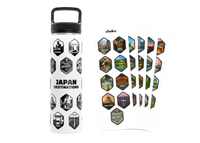
❤️ The Traveler bucket-list bottle features the 27 Japan destinations first-time visitors actually plan around — useful for sequencing a trip where every stop earns its place in the suitcase. Launching soon on Kickstarter.
❤️ If you're planning a longer Japan trip, Two Weeks in Japan is our 200+ page travel guide with day-by-day neighborhood plans and our photography — built around how we actually explore Japan living here. Launching soon on Kickstarter.
FAQ
What are unique gifts to buy in Japan?
For Japan enthusiasts who know the obvious souvenirs: Edo Kiriko cut glass (¥10,000–20,000), Shoyeido incense gift sets (¥2,000–8,000), Usaburo kokeshi limited editions (¥3,500–12,000), Kyukyodo washi stationery from Ginza (¥1,200–5,000), and Kinto coffee equipment (¥2,500–8,000). The key is knowing specific brand names rather than generic categories.
Where can I buy unique Japanese gifts in Tokyo?
D&Department (Setagaya) for long-life design objects with prefecture provenance. Nakagawa Masashichi Shoten (Isetan, Roppongi Hills) for curated traditional crafts. Kyukyodo Ginza for washi stationery (in business since 1663). Japanese Traditional Crafts Aoyama Square for certified craft objects. Tsutaya Books Daikanyama for design magazines. Shimokitazawa record shops for vintage vinyl. All are places serious Japanese people shop.
What should I bring back from Japan for a Japan lover?
The gifts that impress Japan enthusiasts share three qualities: a specific origin story (Makanai from a gold-leaf foundry, Oshima Tsubaki from island women's beauty tradition), a specific brand name they may not know but will look up (Usaburo kokeshi, Kyukyodo, Shoyeido), or provenance from a specific Tokyo neighborhood that signals real local knowledge (Shimokitazawa vinyl, Kappabashi craft).
What Japanese gifts are under ¥3,000?
Kunjudo HA KO paper incense sheets (¥1,000–2,500), Oshima Tsubaki camellia oil (¥1,400–2,000), Casa Brutus or Brutus special issue (¥1,000–2,000), and konpeito star candy from Ryukyudo (¥800–2,500). All are things the Japan enthusiast is unlikely to have encountered by name before.


Activities and tours in Tokyo
cheku is a GetYourGuide partner. We link to tours that handle the parts of travel that eat your time, getting there, booking ahead, language, context you'd otherwise miss. If you book through our link, we earn a small commission at no extra cost to you.


