
Unique Japanese souvenirs under ¥5,000 cluster around five categories: premium stationery, small lacquerware and named-region ceramics, traditional textiles, kitchen tools, and regional foods. Midori MD notebooks, MT washi tape, small Mino-yaki bowls, tenugui from Eirakuya or Kamawanu, silicone onigiri molds, and premium loose-leaf sencha from Ippodo are the items Japanese lifestyle media consistently flag as distinctive and worth the suitcase space. This guide focuses on what's both genuinely Japanese and budget-friendly.
The ¥5,000 (roughly $30–35 USD) ceiling is the natural budget tier for most Japan souvenirs. Below ¥1,000, most options are mass-produced and generic. Above ¥10,000, the category opens up to serious craft pieces. The ¥1,500–4,500 band is where genuinely unique Japanese products meet attainable pricing — small lacquerware bowls, named-region ceramic tea cups, premium stationery sets, traditional textile pieces, and named-maker pantry goods.
Japanese domestic shopping writing on jalan.net, note.com, and icotto consistently treats this budget-tier as where most Japanese travelers actually shop for personal souvenirs and small gifts. The framing matches: unique doesn't have to mean expensive, but it does have to mean specifically Japanese.
For the broader unique Japan gift category without a budget cap, the unique Japan gifts guide covers items at every price tier including higher-end craft pieces. For the practical daily-use category specifically, the useful souvenirs guide is the companion piece.
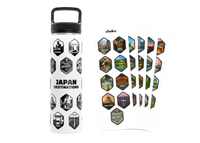
❤️ If you're planning a first Japan trip, the cheku Japan Destinations I Traveler bucket-list bottle illustrates the 27 destinations that hold up after the research — part travel guide, part souvenir, and a daily essential for the trip itself. Live on Kickstarter until July 26. Reserve yours now at the best prices we'll offer.
What makes a Japanese souvenir "unique" at the ¥5,000 budget tier?
A genuinely unique Japan souvenir under ¥5,000 carries three things at once: it's distinctly Japanese (made there, with Japanese design or craft tradition), it isn't readily available outside Japan at the same quality, and the budget tier gets you a real product rather than an entry-level imitation. Kogei Japan and Japanese lifestyle writing on note.com treat this as the meaningful middle tier — the level where ordinary Japanese consumers shop for distinctive products.
The categories that consistently produce unique-but-affordable Japan souvenirs:
- Premium stationery (¥150–4,500). Midori notebooks, MT washi tape, Pilot Juice pens, Hobonichi Techo, Uni Kuru Toga.
- Small named-region ceramics (¥800–4,500). Mino-yaki, Bizen-yaki, Hagi-yaki, Karatsu-yaki, Mashiko-yaki small pieces — bowls, tea cups, small plates.
- Small lacquerware (¥1,500–4,500). Wajima-nuri, Aizu-nuri, Wakasa-nuri chopstick rests, small dishes, soup bowls.
- Traditional textiles (¥800–4,500). Tenugui hand towels, furoshiki wrapping cloths, tabi socks from named makers.
- Japanese kitchen tools (¥300–4,500). Silicone onigiri molds, drop lids, specialized graters, chopstick sets, ceramic dishes.
- Premium food and pantry items (¥600–4,000). Premium green tea, regional soy sauces, specialty seasonings (yuzu kosho, shichimi togarashi), regional sweets.
- Beauty and personal care (¥200–4,500). Japanese drugstore skincare, premium toothbrushes, bath products.
What unifies them: each is a category where the Japanese version is genuinely distinct from what's available elsewhere at the same price, and the budget tier buys an authentic version rather than an entry-level imitation.
Which Japanese stationery items are unique souvenirs under ¥5,000?
Japanese stationery is the most reliably unique souvenir category at the ¥5,000 budget tier — the gap between Japanese design and overseas equivalents is widest in this category. Tabimaniajapan's stationery guide and Japanese lifestyle writing on note.com cover this as a substantive shopping category.
Notebooks and planners under ¥5,000:
- Midori MD notebooks (¥800–2,500). The standard premium-paper Japanese notebook — cream-colored paper, sewn binding, lined/blank/grid versions. The MD logo is the marker of the line.
- Hobonichi Techo planners (¥3,500–4,500). The cult Japanese daily planner — extremely thin paper, daily-page layout. Available at Tokyu Hands, Loft, and dedicated Hobonichi pop-ups.
- Kokuyo Campus and Maruman notebooks (¥150–600). The everyday Japanese workhorse notebooks. Both available at every stationery shop and major bookstore.
Pens under ¥5,000 (most under ¥500):
- Pilot Juice (¥150–250). The standard Japanese gel pen, ultra-fine tip, multiple colors.
- Pilot Hi-Tec-C (¥150–250). The 0.25mm and 0.3mm needle-point gel pen — significantly thinner line than Western equivalents.
- Pilot Frixion (¥250–400). The erasable pen — the ink disappears with friction heat.
- Uni Kuru Toga mechanical pencils (¥400–1,500). The pencil that rotates the lead while writing for an even point. Genuine Japanese engineering.
- Tombow Mono Graph correction tape and brush pens. Standard Japanese stationery shop items.
Washi tape under ¥5,000:
- MT brand washi tape from Kamoi Kakoshi (¥250–600 per roll). The standard premium Japanese washi tape — hundreds of designs, seasonal limited editions. A set of 5–8 rolls fits the ¥5,000 budget with room.
- Limited-edition seasonal washi tape sets at depachika and museum shops.
Traditional Japanese writing materials under ¥5,000:
- Sumi ink sticks (¥500–3,500). Traditional Japanese ink for calligraphy and brush work. Light, packable, distinctly Japanese.
- Calligraphy brushes (¥500–4,500). From specialist brush shops in Tokyo, Kyoto, and named brush-making regions.
- Pentel and Kuretake brush pens (¥250–1,500). The accessible bridge between Western pens and Japanese brush writing.
Premium specialist shopping. Itoya Ginza is the multi-floor stationery flagship dating to 1904 — each floor covers a specific category. For someone serious about Japanese stationery as a category, Itoya is the deep-dive store. Tokyu Hands Shibuya and Shinjuku, Loft, and major bookstores all carry the standard premium Japanese stationery lines.
What Japanese ceramic and lacquerware items fit under ¥5,000?
Small Japanese ceramic and lacquerware pieces — chopstick rests, tea cups, small dishes — are one of the most culturally substantive categories under ¥5,000. Kogei Japan lists registered traditional crafts; Discover Japan covers named-region producers and contemporary makers.
Named-region ceramics under ¥5,000:
- Mino-yaki (Gifu Prefecture). Japan's largest ceramic-producing region. Small bowls, tea cups, plates — ¥800–4,500 at depachika, Tokyu Hands craft sections, and named-shop branches.
- Mashiko-yaki (Tochigi Prefecture). Soft, earthy ceramics — small dishes and bowls ¥1,500–4,500 at named Mashiko shops and Tokyo craft shops.
- Bizen-yaki (Okayama Prefecture). Unglazed natural-finish ceramics. Small cups and bowls ¥1,500–4,500.
- Hagi-yaki (Yamaguchi Prefecture). Pale-glazed ceramics, particularly known for tea cups. Small pieces ¥2,000–4,500.
- Karatsu-yaki (Saga Prefecture). Earthy tea ceramic tradition. Small pieces ¥1,500–4,500.
- Kiyomizu-yaki (Kyoto). Decorative Kyoto-tradition ceramics. Small pieces from named kilns ¥2,000–4,500.
Small lacquerware under ¥5,000:
- Wajima-nuri (Ishikawa Prefecture). Wajima lacquerware — chopstick rests, small dishes, small soup bowls in the ¥2,500–4,500 range for everyday pieces.
- Aizu-nuri (Fukushima Prefecture). Aizu lacquerware in the same range. Small dishes ¥1,500–4,500.
- Tsugaru-nuri (Aomori Prefecture). Distinctive patterned lacquerware — small bowls and dishes ¥2,500–4,500.
- Wakasa-nuri (Fukui Prefecture). Specialty in chopsticks — fine lacquered chopsticks ¥1,500–4,500 per pair.
- Kyo-nuri (Kyoto). Kyoto lacquerware tradition — small pieces ¥2,500–4,500.
Chopstick rests (hashioki) under ¥5,000. Small ceramic, lacquer, or glass chopstick rests in named-region styles — ¥300–1,500 per piece, ¥800–4,500 for sets of four. One of the most reliably packable Japanese souvenirs.
Where to buy. Tokyu Hands Shibuya/Shinjuku craft sections, depachika basement floors (Isetan, Mitsukoshi, Daimaru, Takashimaya), specialist craft shops in Yanaka and Asakusa (Tokyo), Nishiki Market and Higashiyama craft district (Kyoto), and direct from kilns when visiting source regions.
What about Japanese textile and home goods under ¥5,000?
Japanese textile traditions produce some of the most distinctive souvenirs in the ¥800–4,500 range — tenugui, furoshiki, and tabi socks from named makers. Japanese craft and lifestyle writing on icotto and TABIZINE consistently lists these as substantive shopping categories.
Tenugui (¥800–2,500). Thin Japanese cotton hand towels with printed designs. Available from named makers — Eirakuya (Kyoto, founded 1615), Kamawanu (Tokyo), Nijiyura (multiple cities) — and from specialist tenugui shops. Functional as kitchen cloths, wrapping, head wraps, and decorative pieces.
Furoshiki (¥1,500–4,500 for everyday cotton; silk pieces go higher). Square Japanese wrapping cloths. Used for gift wrap, carrying items, wrapping bento. Specialist furoshiki shops (Musubi in Kyoto, dedicated furoshiki shops in Tokyo) carry the broadest range; Tokyu Hands and depachika carry mainstream lines.
Tabi socks (¥800–3,500). Split-toe Japanese socks in cotton or wool. Available from Sou Sou (Kyoto), specialist tabi shops in Tokyo, and Tokyu Hands. Functional as standalone socks and with traditional footwear.
Microfibre cleaning cloths (¥200–1,000). Japanese cleaning culture produces microfibre cloths that significantly outperform overseas equivalents at the same price. Available at Daiso, Tokyu Hands, and supermarket household sections.
Imabari towels (¥1,200–4,500 for hand and face towels). Imabari towels from Ehime Prefecture — Japan's premier bath and face towel tradition. Hand and face towels fit the ¥5,000 budget cleanly; full bath towels start to push above.
Small washi paper goods (¥600–3,500). Washi paper notebooks, washi paper craft items, washi paper accessories from Mino, Echizen, or Tosa washi traditions. Available at Itoya Ginza, Wagami Tokyo, and specialist washi shops in Kyoto.
What unique Japanese kitchen tools fit under ¥5,000?
Japanese kitchen tools at the ¥300–4,500 tier are some of the most distinctive functional souvenirs — niche tools with no overseas equivalent. jalan.net and Japanese cooking writing on note.com cover these as a substantive category.
Distinctive Japanese kitchen tools under ¥5,000:
- Silicone and metal onigiri molds (¥300–1,500). For shaping rice balls. No real overseas equivalent.
- Otoshi-buta (drop lids, ¥800–3,500). Wooden or silicone lids that sit directly on cooking food. Used in Japanese simmering. Available at Kappabashi and Tokyu Hands.
- Daikon and ginger graters (¥400–2,500). Ceramic, copper, or steel Japanese-style graters with much finer teeth than Western box graters.
- Sumiyaki shichirin (¥3,500–4,500 for small sizes). Small charcoal grills used at home. Small sizes fit the budget; larger ones push above.
- Bamboo sushi rolling mats and bamboo cooking tools (¥300–2,500). Available at Kappabashi specialist shops.
- Japanese tea-making tools (¥800–4,500). Iron kettle small sizes, premium tetsubin (cast iron tea pots in small sizes), bamboo tea whisks (chasen), bamboo tea scoops.
- Chopstick sets and chopstick rest sets (¥1,500–4,500). Named-region chopsticks (Wakasa-nuri, Tsugaru-nuri) plus matching chopstick rests in gift packaging.
- Small Japanese knives (¥3,000–4,500 for entry-level). Tojiro and Misono entry-level Japanese kitchen knives — petty knives, small santoku — fit the ¥5,000 budget. Mid-range and premium knives go above.
Where to buy. Kappabashi (Asakusa area, Tokyo) is the specialist district. Tokyu Hands Shibuya/Shinjuku, depachika kitchenware floors, and specialist kitchen shops in Kyoto's Nishiki Market also cover the category.
Free for you: our Tokyo Google Maps list We keep a Google Maps list of the must-see spots around Tokyo — specialist craft shops, stationery flagships, tenugui makers, Kappabashi knife shops, and depachika worth the detour. Drop your email and we'll send it over.
What unique Japanese food and pantry items fit under ¥5,000?
Japanese pantry goods produce some of the most distinctive consumable souvenirs at the ¥600–4,000 range — premium green tea, regional soy sauces, and specialty seasonings. Japanese food writing on note.com and TABIZINE cover these as substantive shopping categories.
Premium green tea under ¥5,000:
- Loose-leaf sencha from Ippodo (Kyoto and Tokyo). ¥1,500–4,000 per 100g for premium named-region tea.
- Matcha from Uji shops (Tsujiri, Maruichi, dedicated tea merchants). ¥1,800–4,500 per 30g for ceremony-grade matcha.
- Hojicha and genmaicha from Uji or Shizuoka. ¥800–2,500 per 100g for premium versions.
- Specialty teas from named regions. Yame (Fukuoka), Sayama (Saitama), and Kawane (Shizuoka) all produce premium tea — bottles under ¥5,000 are within reach.
Regional soy sauces and miso under ¥5,000:
- Yamaroku soy sauce (Shodoshima). Premium Shodoshima soy sauce, ¥1,200–3,500 per bottle.
- Kikkoman Naturally Brewed and craft soy sauces. ¥800–2,500 per bottle.
- Regional miso (Hatcho from Aichi, white miso from Kyoto, red miso from Sendai). ¥800–3,000 per container.
Specialty seasonings under ¥5,000:
- Yuzu kosho (Kyushu specialty). Citrus-and-chili paste, ¥600–2,500 per jar.
- Shichimi togarashi (Japanese seven-spice). Hara Shichimi-ya in Kyoto and other named makers, ¥600–2,500 per container.
- Furikake (rice toppings). Marumiya, Tanaka, and named makers, ¥300–1,500 per pack.
- Wasabi (real wasabi paste from Shizuoka). Premium real wasabi from Izu or Shizuoka growers, ¥1,500–4,500.
Regional sweets and wagashi under ¥5,000:
- Toraya wagashi. Premium yokan and wrapped wagashi, ¥800–4,500 per box.
- Regional meibutsu sweets. Tokyo Banana, Yatsuhashi, Shiroi Koibito, Momiji Manju — all under ¥2,500 per box.
- Kyoto wagashi from Kameya Yoshinaga or Tsuruya Yoshinobu. ¥1,500–4,500 per box.
Regional Cup Noodle limited editions and instant ramen. Japan-exclusive Cup Noodle flavors and regional ramen shop partnerships (¥278–500 per cup). The lower-end of the category but genuinely Japanese.
What unique Japanese beauty and personal-care items fit under ¥5,000?
Japanese drugstore and premium beauty under ¥5,000 is one of the most accessible distinctive souvenir categories — formulations and brands not always available at the same price elsewhere. icotto and TABIZINE cover Japanese drugstore skincare as a substantive shopping category.
Drugstore tier (¥300–2,500 each, multiple items fit ¥5,000):
- Hada Labo — lotions and gels (¥800–1,800).
- Curel — sensitive skin line (¥1,200–2,500).
- Shiseido Senka — Perfect Whip face wash (¥600–1,500).
- Kose Clear Turn — sheet masks (¥300–1,500 per pack).
- Biore UV Aqua Rich — Japanese sunscreen (¥600–1,200).
- Lululun — sheet masks (¥1,200–2,500 per multi-pack).
Specialty Japanese personal care under ¥5,000:
- Premium toothbrushes. Small-headed Japanese toothbrushes (¥300–800).
- Japanese hair products — Tsubaki, Honey, Bond Touch lines (¥800–2,500).
- Bath products and onsen-style bath salts — Yu hot spring salts (¥200–500 per pack).
- Premium Japanese fragrance and scented items — depachika beauty floors carry Japanese-brand scented items in this range.
Where to buy. Matsumoto Kiyoshi (the largest Japanese drugstore chain), Welcia, Don Quijote, and depachika beauty floors at Isetan, Mitsukoshi, Daimaru, Takashimaya.
How do unique Japan souvenirs under ¥5,000 compare across categories?
| Category | Top picks | Price range | Where to buy |
|---|---|---|---|
| Stationery (notebooks) | Midori MD, Hobonichi Techo, Kokuyo Campus | ¥150–4,500 | Tokyu Hands, Loft, Itoya Ginza, bookstores |
| Stationery (pens) | Pilot Juice, Hi-Tec-C, Frixion; Uni Kuru Toga | ¥150–1,500 | Drugstores, stationery shops, Tokyu Hands |
| Washi tape | MT brand, seasonal limited editions | ¥250–600/roll | Tokyu Hands, Loft, Itoya |
| Small ceramics | Mino, Mashiko, Bizen, Hagi, Karatsu | ¥800–4,500 | Tokyu Hands craft sections, depachika, regional shops |
| Small lacquerware | Wajima, Aizu, Tsugaru, Wakasa, Kyo-nuri | ¥1,500–4,500 | Specialist lacquerware shops, depachika |
| Tenugui | Eirakuya, Kamawanu, Nijiyura | ¥800–2,500 | Specialist textile shops, Tokyu Hands |
| Furoshiki (cotton) | Musubi, specialist shops, depachika | ¥1,500–4,500 | Specialist shops, depachika |
| Kitchen tools | Onigiri molds, otoshi-buta, graters, ceramic dishes | ¥300–4,500 | Kappabashi, Tokyu Hands, Nishiki Market |
| Premium tea | Ippodo, Tsujiri, named-region sencha and matcha | ¥800–4,500 | Ippodo Kyoto/Tokyo, depachika tea sections |
| Regional pantry | Yamaroku soy sauce, regional miso, yuzu kosho, shichimi | ¥600–3,500 | Depachika food halls, specialist food shops |
| Beauty (drugstore) | Hada Labo, Curel, Senka, Kose, Biore, Lululun | ¥300–2,500 | Matsumoto Kiyoshi, Welcia, Don Quijote |
| Best for | One-shop versatility | Bring back five distinct unique items per ¥5,000 spent | Tokyu Hands Shibuya + nearby depachika |
How to plan a ¥5,000 shopping budget across categories?
The most efficient ¥5,000 souvenir strategy is one product from three different distinctive categories. Japanese travel writing on Tripnote and Rurubu &more frequently recommends mixed-category gift sets rather than single-item splurges.
Sample ¥5,000 budget combinations:
- Stationery focus: Midori MD notebook (¥1,500) + 3 Pilot Juice pens (¥450) + 5 MT washi tape rolls (¥1,500) + 1 Uni Kuru Toga mechanical pencil (¥800) = ¥4,250.
- Craft and textile focus: Small Mashiko-yaki tea cup (¥2,500) + 1 Eirakuya tenugui (¥1,500) + 1 chopstick rest (¥800) = ¥4,800.
- Tea and pantry focus: Premium Ippodo sencha 100g (¥2,500) + Yamaroku soy sauce 100ml (¥1,200) + 1 yuzu kosho jar (¥800) + 1 small wagashi box (¥1,200) = ¥4,700 (split across recipients possible).
- Beauty and personal-care focus: Hada Labo lotion (¥1,200) + Curel cream (¥1,800) + 2 Kose Clear Turn sheet mask packs (¥1,000) + 1 premium toothbrush (¥800) = ¥4,800.
- Mixed sampler: Midori notebook (¥1,500) + Pilot Juice pens set (¥600) + small Mino-yaki dish (¥1,500) + premium green tea 50g (¥1,200) = ¥4,800.
❤️ The Tokyo Travel Guide walks first-time visitors through Tokyo's depachika and craft-district shopping loop — the specialist shops that carry distinctive products in the ¥800–4,500 range rather than tourist-generic merchandise.
FAQ
What are the best Japanese souvenirs under ¥5,000? The best Japan souvenirs under ¥5,000 cluster around: premium stationery (Midori notebooks, MT washi tape, Pilot pens, Uni Kuru Toga — under ¥3,000 each), small named-region ceramics and lacquerware (chopstick rests, small dishes, tea cups — ¥800–4,500), traditional textiles (tenugui, furoshiki, tabi socks — ¥800–4,500), Japanese kitchen tools (silicone onigiri molds, drop lids, specialized graters — ¥300–3,500), premium green tea and regional pantry goods (¥600–4,000), and Japanese drugstore skincare (Hada Labo, Curel, Kose, Biore — ¥300–2,500 per item). Each is distinctly Japanese and at the budget tier represents a real product rather than an imitation.
How can you find unique Japanese souvenirs without going to specialist shops? Tokyu Hands Shibuya or Shinjuku covers most categories in one building — stationery, kitchen tools, small craft items, beauty products, and traditional textiles. A depachika basement floor (Isetan Shinjuku, Mitsukoshi Nihonbashi, Daimaru Tokyo, Takashimaya Nihonbashi) covers premium food, tea, regional sweets, and pantry goods. Two stops — Tokyu Hands plus a depachika — covers almost every unique-souvenir category under ¥5,000 in central Tokyo.
What unique souvenir from Japan is around ¥1,000? At the ¥1,000 mark, the best unique Japan souvenirs are: 1 Midori MD notebook (¥800–1,500), 4–5 Pilot Juice pens or 1 Uni Kuru Toga mechanical pencil (around ¥800), 2–3 MT washi tape rolls (¥500–1,200 for a small set), 1 cotton tenugui (¥800–1,200), 1 small ceramic chopstick rest (¥500–1,500), 1 pack of Kose Clear Turn sheet masks (¥500–1,200), 1 yuzu kosho jar (¥800–1,500), or 1 small box of regional meibutsu sweets (¥800–1,500). All are distinctly Japanese and fit airline luggage.
What is the most affordable unique Japanese souvenir? At the lowest tier (¥150–500), the most distinctive options are: a single Pilot Juice or Hi-Tec-C pen (¥150–250), a single MT washi tape roll (¥250–600), a small ceramic chopstick rest (¥300–800), a Kose Clear Turn sheet mask pack (¥300–500), a Biore UV Aqua Rich sunscreen (¥600–1,200), or a small bag of mentaiko-flavored rice crackers (¥300–600). Each is distinctly Japanese and affordable enough for multiple recipients.
Where do Japanese people themselves shop for distinctive small souvenirs? Japanese consumers consistently shop at: depachika basement food halls (premium tea, regional sweets, named-maker pantry goods), Tokyu Hands and Loft (stationery, kitchen tools, craft items), specialist craft shops (named-region ceramics, lacquerware, textile makers), and named-shop branches at major stations (Tokyo Station, Kyoto Station, Hakata Station). The framing in Japanese travel writing on jalan.net is consistent: named makers and named regions, not generic Japan-themed merchandise.
For the broader unique Japan gift category without a budget cap (covering higher-end craft pieces and gift-giving angles), the unique Japan gifts guide is the companion piece. For the practical-daily-use category, the useful souvenirs from Japan guide covers the items that stay in daily rotation.
Sources
- Kogei Japan — official directory of Japan's registered traditional crafts, named regional craft traditions
- Discover Japan — Japanese culture magazine, named-maker craft journalism, distinctive Japanese product features
- Itoya Ginza — Ginza flagship stationery store, multi-floor stationery specialist since 1904
- Tabimaniajapan — Stationery guide — Japanese stationery brands and named-maker coverage
- jalan.net — Japan domestic travel platform, practical and unique souvenir guides by category
- TABIZINE — online Japanese travel magazine, unique souvenir roundups and named-maker spotlights
- Tripnote — Japanese travel guide platform, unique Japan shopping lists
- icotto — Japanese women's lifestyle media, unique gift roundups and craft features
- note.com — Japanese longform lifestyle writing on Japan-specific design objects and distinctive product categories
Activities and tours in Tokyo
cheku is a GetYourGuide partner. We link to tours that handle the parts of travel that eat your time, getting there, booking ahead, language, context you'd otherwise miss. If you book through our link, we earn a small commission at no extra cost to you.


