
Tokyo has a reputation for being expensive. That reputation is partly earned and mostly wrong. The city is expensive in two specific categories (accommodation and tourist-adjacent dining) and remarkably affordable in most others. After seven years living here, this is the honest breakdown of what each day actually costs, what tourists overpay for, and how to compress every category except hotels.
The single most useful thing we can tell first-time Tokyo visitors about money: Tokyo is not New York-expensive. In two specific cost categories, daily Tokyo spending is closer to Lisbon or Mexico City than to London or Manhattan. The catch is that those two categories (accommodation and food near tourist sites) happen to be where most visitors spend most of their money.
This guide breaks down food, transport, accommodation, and attractions with real numbers and the local-vs-tourist gap for each. Japanese domestic travel writing on jalan.net, note.com, and icotto confirms the cost structures we describe. Restaurant pricing comes from Tabelog's per-restaurant data.
For transit specifically, the transport guide covers IC card and JR Pass decisions in depth. For konbini eating (one of Tokyo's best budget hacks), the konbini guide covers what to actually buy. For timing the trip to lowest prices, the best time to visit Japan guide covers the off-peak windows.
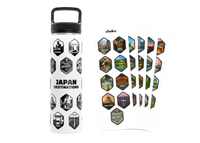
The Traveler Bottle maps 27 Japan destinations with their own cost characteristics, useful for planning the wider trip.
What's the biggest budget gap between locals and tourists in Tokyo?
Food. The local-versus-tourist price gap for the same meal in Tokyo is genuinely 30–70%. This is the single most impactful budget category for visitors.
The pattern. A bowl of ramen at a tourist-adjacent shop near Senso-ji or Shibuya Crossing runs ¥1,500–2,000. A bowl of ramen two blocks off the main street (same broth, same quality, often better) runs ¥800–1,100. The price difference reflects rent, demographic targeting, and the foreigner-friendly English menu and not anything about the food itself.
Where the gap is widest: - Restaurants directly across from temple/shrine gates. Senso-ji, Meiji Shrine, Tokyo Skytree area. 50–70% premium over equivalent food two blocks away. - Restaurants in shopping mall food courts inside tourist districts. Shibuya Stream, Tokyu Plaza Harajuku. 30–50% premium. - English-menu restaurants in central Asakusa, Akihabara, Harajuku. 30–50% premium when there's a Japanese-menu equivalent next door. - Anything inside Tokyo Station or Shinjuku Station. Convenient but premium. 25–40% above off-station equivalents.
The local move. Walk 3–5 minutes off the main street. Look for: handwritten signs, lunch-set chalkboards, a queue of salarymen at lunch, ticket-vending machine ordering (point and pay rather than table service), and prices ending in 0 or 50 yen rather than 99. These are local-frequented spots, not tourist-optimised. The food is typically equal or better.
Three concrete examples we use ourselves:
Ramen in Shinjuku. Skip Ichiran. Walk to any small shop on the back streets of Kabukicho or by Shinjuku Gyoenmae station. ¥800–1,000 for a bowl that's just as good or better. The Shinjuku guide covers Omoide Yokocho specifically as the substantive eat-cheap zone.
Sushi in Tokyo. Skip the conveyor-belt chains in major tourist areas. Look for kaiten-zushi (revolving sushi) in residential neighborhoods. Sushiro and Kura Sushi locations a few stations off the tourist track. ¥1,500–2,500 for a satisfying meal vs ¥4,000+ at the tourist locations.
Set lunch at any restaurant. Most Japanese restaurants serve a teishoku (set menu) at lunch for 30–50% below their dinner pricing. ¥900–1,500 buys a full meal (main, rice, soup, pickle) at restaurants that would charge ¥2,500–3,500 for dinner versions. This applies to high-end places too. Use lunch as your dining-out window.
What does a meal in Tokyo actually cost?
Tokyo daily food spending by tier. Numbers below are realistic for someone eating out three meals a day at typical Tokyo restaurants outside obvious tourist zones.
Konbini tier (¥1,500–2,000/day). 7-Eleven onigiri + sandwich breakfast (¥500). Konbini bento lunch (¥600). Konbini dinner (¥800). You eat genuinely good food at convenience-store pricing. Japanese office workers do this routinely. The konbini guide covers what to actually buy.
Standard local tier (¥2,500–3,500/day). Konbini breakfast (¥500). Lunch teishoku at a local restaurant (¥1,000). Local ramen, izakaya plates, or rice bowl for dinner (¥1,200–1,800). This is the standard rate for eating at the local restaurants where Japanese people actually eat.
Mid-range tier (¥4,000–6,500/day). Bakery or café breakfast (¥800). Lunch at a slightly nicer restaurant (¥1,500–2,000). Dinner at an izakaya or kaiseki-tier place (¥2,500–4,000). You're eating well at quality places without entering luxury territory.
Splurge tier (¥10,000+/day). Hotel breakfast (¥3,000). Mid-tier lunch (¥3,000). High-end dinner (¥6,000–15,000+). One night of high-end sushi or kaiseki can push a day above ¥20,000 easily. Most travelers limit this to one or two meals per trip.
The depachika after-19:00 trick. Department store basement food halls (Isetan, Daimaru, Takashimaya, Mitsukoshi) discount prepared food, sushi, and bento boxes by 20–40% in the final 1–2 hours before closing. A ¥2,500 prepared sushi platter becomes ¥1,500–1,750. The food is the same. Japanese office workers know this; few foreign visitors do.
How much does Tokyo transit actually cost?
Tokyo's public transit is already one of the cheapest per-kilometer systems of any major world city. Where visitors overpay is in taxi use, paper tickets, and JR Pass purchases for trips that don't need them.
Standard transit costs. - Single train ride within central Tokyo: ¥150–250 - Standard subway ride: ¥180–230 - Yamanote Line full loop (1 hour): ¥220 - Tokyo-Haneda by Keikyu: ¥330 - Tokyo-Narita by Keisei Skyliner: ¥2,580
Where tourists overpay:
Taking taxis when there's a direct train. Shibuya to Shinjuku by taxi runs ¥1,500–2,000. The same trip by train: ¥170. The 9-10x markup is hard to justify outside of late-night situations.
Paper tickets instead of IC card. Every paper ticket purchase wastes 1–2 minutes at the machine and offers no discount. An IC card (Suica or Pasmo) loaded with ¥3,000–5,000 covers days of travel and lets you tap through gates.
JR Pass for a Tokyo-only trip. Since the 70% price hike in October 2023, the JR Pass is only worth it for routes with extensive Shinkansen use. For Tokyo-only travel, it's a clear waste. The transport guide covers the JR Pass decision in detail.
Typical Tokyo daily transit budget: ¥800–1,200. That covers 4–6 train/subway rides plus any short walking-time variations.
What does a Tokyo hotel actually cost?
This is the one place where Tokyo is genuinely expensive. Jalan.net's hotel pricing data confirms hotel prices in Tokyo increased 20–30% over 2024–2025 and are at multi-year highs entering 2026.
Hotel prices by tier:
Capsule hotels (¥4,500–7,500/night). Nine Hours, Book and Bed, First Cabin, The Millennials. Tight (literally, a capsule is roughly 2m x 1m), shared bathrooms and lockers, but clean and central. Best for solo travelers willing to trade space for low cost.
Business hotels (¥10,000–15,000/night). Toyoko Inn, APA Hotel, Dormy Inn, Sotetsu Fresa Inn. Standard small single rooms; private bathroom; reliably clean. The default Japanese business-traveler option. Dormy Inn often includes a small onsen.
Mid-tier hotels (¥18,000–28,000/night). Shibuya Excel Tokyu, Shinjuku Granbell, Mitsui Garden Hotel, Hotel Gracery Shinjuku. Larger rooms, breakfast often included, central locations.
High-end (¥35,000–80,000/night). Park Hyatt, Mandarin Oriental, Aman Tokyo, Hoshinoya Tokyo. Major hotel brands and Japanese luxury properties.
Best-value neighborhoods for hotels.
Asakusa. 20–35% cheaper than Shibuya/Shinjuku for equivalent quality. Slower pace, traditional neighborhood, well-connected via Ginza Line and Asakusa Line. The Gate Hotel Asakusa, Asakusa View Hotel, Richmond Hotel Asakusa.
Ueno. Similar pricing to Asakusa. Yamanote Line access; close to museums and the park. APA Hotel, Toyoko Inn options.
Ikebukuro. Slightly less central but Yamanote Line; substantial hotel selection at 15–25% below Shinjuku.
Avoid for value. Tokyo Station hotels (business-traveler-optimised, premium pricing without proportional value). Roppongi (premium pricing for nightlife you can access on a single train ride from anywhere else).
Timing the booking. Hotel prices spike during cherry blossom season (late March–mid April), Golden Week (April 29–May 6), Obon (mid-August), and New Year's week (December 28–January 5). Booking 3–6 months ahead for these windows is essential. For other times of year, 4–8 weeks ahead is usually sufficient.
Free for you: our Tokyo Google Maps list We keep a Google Maps list of the must-see spots around Tokyo: restaurants, cafes, shopping districts, viewpoints, and the things actually worth the detour. Drop your email and we'll send it over.
What are the best free things to do in Tokyo?
Most of the best Tokyo experiences are free or under ¥1,000. icotto and TABIZINE consistently route their budget Tokyo coverage through the same free anchors.
Free anchors that every Tokyo visitor should see:
- Senso-ji Temple and grounds. Tokyo's oldest temple. Open 24 hours. Kaminarimon Gate, Nakamise-dori, Hozomon Gate, five-story pagoda. (Things to Do in Asakusa covers the full district.)
- Meiji Shrine and Yoyogi Park. 70-hectare forested shrine grounds in Harajuku. Dawn-to-dusk. Adjacent Yoyogi Park is the urban gathering space.
- Tokyo Metropolitan Government Building observation decks. Free 45th-floor views with Mount Fuji visibility on clear winter mornings. Open 09:00–22:30 (north tower).
- Imperial Palace East Gardens. Free; substantial historical gardens on the site of Edo Castle. Closed Mondays and Fridays.
- Hanazono Shrine. Tucked behind Shinjuku, Shinjuku's guardian shrine. Always open. Monthly antique markets.
- Walking neighborhoods. Yanaka, Shimokitazawa, Nakameguro, Kichijoji, Koenji, Yotsuya: all reward slow walking without spending anything.
Low-cost picks (¥500–1,500):
- Shinjuku Gyoen. 58-hectare imperial garden inside Tokyo. ¥500. One of the city's best green spaces.
- Sumida Aquarium (inside Tokyo Skytree's Solamachi). ¥2,500. Manageable size; jellyfish display.
- Sumida Hokusai Museum. ¥1,000. Ukiyo-e printmaking history.
- Nezu Museum (Omotesando area). ¥1,300. Asian art collection with a substantial Japanese garden.
- Tokyo Metropolitan Art Museum (Ueno Park). Variable per exhibit. Free permanent collection.
Worth paying for:
- teamLab Borderless / Planets. ¥3,000–4,500. Genuinely extraordinary digital art experience.
- Ghibli Museum (Mitaka). ¥1,000. Book months ahead on the first of the previous month.
- Tokyo Skytree observation. ¥2,100–3,400. Worth it primarily for the angle of the city it gives you, which differs from Shibuya Sky or TMG.
Skip. Tokyo Tower observation (Tokyo Skytree gives more for similar money). Anything with a "Tokyo Pass" branded label aimed at tourists (most are negative value unless you specifically plan to hit 5+ attractions in one day).
How does the daily Tokyo budget add up by tier?
| Daily tier | Hotel | Food | Transit | Attractions | Total | USD approx |
|---|---|---|---|---|---|---|
| Strict budget | Capsule ¥5,500 | Konbini ¥1,800 | IC card ¥800 | Free | ¥8,100–9,500 | $55–65 |
| Low budget | Business hotel ¥9,500 | Local ¥2,800 | IC card ¥900 | One ¥500 attraction | ¥13,700 | $90–95 |
| Comfortable mid-range | Mid-tier hotel ¥18,000 | Restaurants ¥4,500 | IC card ¥1,000 | One ¥1,500 attraction | ¥25,000 | $165–175 |
| Relaxed | Mid-tier ¥22,000 | Restaurants ¥6,500 | Mix taxi + IC ¥1,800 | Two attractions ¥3,500 | ¥33,800 | $225–245 |
| Splurge | High-end ¥45,000 | Restaurants ¥10,000+ | Mix ¥2,500 | Two attractions ¥5,000 | ¥62,500+ | $415+ |
| Best for | Comfortable mid-range tier | The most common cost profile | Asakusa or Ueno hotel | Hotel choice is the single biggest budget lever |
The single biggest cost lever is accommodation. A capsule hotel + konbini meals + free attractions delivers a perfectly legitimate Tokyo trip at ~¥8,000/day. The same trip with a mid-tier hotel jumps to ~¥25,000/day. The food and transit can stay similar; the hotel is where the budget gets made or lost.
When are Tokyo prices at their lowest?
Tokyo prices vary substantially across the year. The best time to visit Japan guide covers timing in depth.
Lowest prices. January 15 to early March (post-New Year's, before sakura ramp): hotel prices at annual lows. June (rainy season): lowest of the year for some hotels, though weather is wet.
Peak prices. Cherry blossom season (late March to mid-April): +40–80% hotel rates. Golden Week (April 29 to May 6): +50–100%. Obon (mid-August): +30–60%. New Year's week (December 28 to January 5): +30–60%.
Sweet spots. Late April to mid-May after Golden Week: prices reset, weather warm, green everywhere. Early October: comfortable temperatures, prices near off-peak. These two windows offer the best price-to-experience ratio.
Saturday-Sunday premium. Most Tokyo hotels charge 20–30% more for Saturday nights than weekdays. If your itinerary is flexible, arriving Sunday or Monday saves meaningfully.
FAQ
Is Tokyo cheaper than other major cities? For day-to-day spending: yes, surprisingly. Tokyo food, transit, and attraction costs are significantly below London, New York, Paris, or San Francisco. Hotel prices are comparable to or slightly below those cities at the mid-tier and below. Where Tokyo gets expensive is luxury (high-end hotels, omakase sushi) and tourist-area dining.
What's the cheapest neighborhood to stay in? Asakusa, Ueno, and Ikebukuro consistently offer the best value. All three have substantial hotel inventory at 20–35% below Shibuya/Shinjuku for equivalent quality, plus convenient transit access via Yamanote, Ginza Line, or Marunouchi Line.
Can you do Tokyo on $50 USD a day? Yes, with a capsule hotel and konbini meals. ¥8,000–9,500 covers everything you need: bed, three meals, transit, and free attractions. The trip is tighter than a mid-tier trip but completely legitimate.
Can you negotiate hotel prices? No. Japanese hotel pricing is fixed. The way to save is to book through aggregators (Booking.com, Agoda, Rakuten Travel) which sometimes show 5–15% lower rates than direct booking, or to time your stay outside peak periods.
Is tap water free in Tokyo restaurants? Yes. Tokyo tap water is safe to drink and most restaurants serve free water with meals (often cold, with ice). You don't need to order bottled water; the tap version is excellent quality and free.
For the broader Japan trip, the Traveler Bottle maps 27 destinations. For multi-city budget planning, the 2-Week Japan Guide covers Tokyo as the starting point.
Sources
- Jalan.net — Japan domestic travel platform, hotel pricing trends and regional cost analysis
- Tabelog — Japan's largest restaurant review platform, restaurant pricing by category
- Tokyo Bureau of Statistics — Tokyo Metropolitan Government statistics, cost-of-living data
- TABIZINE — online Japanese travel magazine, budget Tokyo features
- icotto — Japanese women's lifestyle travel media, Tokyo cost and value coverage
- note.com — Japanese longform writing on everyday Tokyo spending and budget travel
Activities and tours in Tokyo
cheku is a GetYourGuide partner. We link to tours that handle the parts of travel that eat your time, getting there, booking ahead, language, context you'd otherwise miss. If you book through our link, we earn a small commission at no extra cost to you.


