
The most useful thing to bring to Tokyo is a Google Maps account with the right pins already in it. We keep a free Tokyo Google Maps list, 13 neighborhoods, 60+ spots, each with a timing note, built from Japanese sources and seven years of living here. This page is the full contents of that list, and the list itself is one email away.
Get the free Tokyo Google Maps list Every spot on this page, pinned in one shareable Google Maps list you can save to your own account and use offline in Tokyo. Drop your email and we'll send it over.
The single most useful thing you can do before a Tokyo trip is stop thinking of Tokyo as one city. It's a set of distinct neighborhoods, each with its own train station, its own street pattern, its own food culture, and its own optimal time of day. Japanese travel writing on jalan.net, TABIZINE, and icotto organises Tokyo coverage neighborhood-by-neighborhood for exactly this reason: the city makes sense once you treat each district as a discrete experience rather than dots on a map.
We've lived here for seven years. The hardest thing for first-time visitors isn't the language or the trains. It's pacing. Trying to hit five districts in one day usually means doing all of them badly. Grouping two or three adjacent neighborhoods into a single day is what actually works.
This page maps the 13 essential Tokyo neighborhoods with anchor spots in each, then shows how to group them by region for a realistic itinerary. Everything below is also what's inside the free Google Maps list, so you can read this as the guide, then carry it as the map.
How does the free Tokyo Google Maps list work?
Drop your email, and we send you a link to a shared Google Maps list. Tap "Save," and the 60+ pins live in your own Google Maps account, on your phone, working offline once you download the Tokyo map area.
Three things worth knowing about how it works:
- The pins survive without signal. Save the list, then in Google Maps download the offline map for Tokyo before you fly. Every pin works underground, in airplane mode, and on day-one jet lag autopilot.
- Each pin carries the timing note. The same optimal windows listed on this page (Asakusa before 8am, Shibuya at dusk, Tsukiji mornings) travel with the pin, so the list quietly schedules your day.
- It's Tokyo only, and deliberately so. The list covers the 13 neighborhoods on this page and their day-trip connections from the city. We would rather keep one city's list current than let five cities' lists go stale.
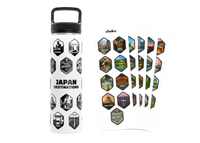
For the broader trip logistics, the transport guide from a Tokyo local covers the rail and IC card system. For the cost side, the Tokyo budget guide covers what to expect. The Traveler Bottle maps 27 Japan destinations including these Tokyo districts.
How should you plan your Tokyo neighborhoods?
Group adjacent districts into single days, route through one Yamanote Line section at a time, and pick one anchor per district. Japanese itinerary writing on jalan.net consistently structures Tokyo trips this way.
The three rules that make Tokyo work:
Group by region, not by topic. Pairing Shibuya with Harajuku (10 minutes apart on the Yamanote) makes sense. Pairing Shibuya with Asakusa (45 minutes apart through transfers) does not. Even if both interest you, splitting them across different days saves an hour of transit each direction.
Match the neighborhood to the time of day. Shibuya is best 16:00–20:00 (evening energy). Asakusa is best 06:00–09:00 (calm temple, soft light) or after 19:00 (illumination). Tsukiji is morning only. Golden Gai opens at 18:00–19:00. Building your itinerary around these optimal windows multiplies the experience.
Pick anchors, not lists. A neighborhood has dozens of things to see. For a half-day visit, you need three or four anchors and time to wander between them. The mistake is trying to check off every named attraction.
The west-side trio: Shibuya, Harajuku, Omotesando
These three sit within a 20-minute walking radius of each other, all on the Yamanote Line, and form Tokyo's youth + fashion + shopping cluster. Grouped together they make a full day.
Shibuya
The youth-energy district and Tokyo's most photographed single intersection. Things to Do in Shibuya covers the neighborhood in depth; the Japanese locals' version covers the substantive insider routing.
Anchor spots: - Shibuya Scramble Crossing. The most photographed intersection in the world. Best from the Starbucks above Tsutaya or from inside the Shibuya Scramble Square observation level. - Shibuya Sky observation deck. 230 meters up, on top of Shibuya Scramble Square. ¥2,500 for the open-air rooftop with unobstructed Tokyo views. Sunset slots sell out; book ahead. - MIYASHITA PARK. Rooftop park-plus-mall with skate ramp, climbing wall, and rooftop hotel. Connects the station to Harajuku via Cat Street. - Shibuya Hikarie ShinQs depachika. Premium basement food hall above Shibuya Station. - Center-gai and Dogenzaka. The walking streets behind the station: clothing shops, late-night ramen, retro game arcades.
Best for: first-visit Tokyo energy. Best time: 16:00–21:00 (the scramble + Shibuya Sky at sunset).
Harajuku
Tokyo's kawaii fashion and Meiji Shrine pairing. Things to Do in Harajuku covers it in detail.
Anchor spots: - Meiji Shrine. 70-hectare forested shrine grounds. Free, open dawn to dusk. The walk in from Harajuku Station along the gravel path is its own experience. - Takeshita Street. 350-meter kawaii fashion street: crepes, character cafes, vintage shops, Daiso. Crowded all day; visit early or after 18:00. - Omotesando Hills + Cat Street. The quieter back-street side between Harajuku and Shibuya. Independent boutiques and cafes. - Yoyogi Park. Adjacent to Meiji Shrine. Sunday afternoons are the most photogenic: rockabilly dancers, drum circles, picnics. - Pokémon Center Mega Tokyo nearby in Ikebukuro (separate trip) or the Sanrio Vivitix store on Takeshita.
Best for: half-day with Shibuya. Best time: 09:00–10:00 for Meiji Shrine, then Takeshita.
Omotesando
The refined sister to Harajuku's chaos. Tree-lined boulevard with high-end boutiques and serious architecture.
Anchor spots: - Omotesando Hills. Tadao Ando–designed shopping complex. The building itself is the draw, a continuous spiral of retail. - Cat Street (Ura-Harajuku). Connects to Harajuku; independent fashion, vintage, third-wave coffee. - Nezu Museum. Asian art collection with a substantial traditional Japanese garden, a quiet break from the shopping. ¥1,300. - Aoyama Flower Market Tea House. Café inside a working florist; surrounded by fresh flowers. Photogenic and pleasant. - The flagship architecture. Prada (Herzog & de Meuron), Dior (SANAA), Louis Vuitton (Aoki). Even if you're not shopping, the buildings are worth a slow walk.
Best for: an architecture and design afternoon. Best time: 13:00–17:00.
The east-side old-town cluster: Asakusa, Yanaka, Kappabashi
These three pre-modern districts hold together as a single coherent day. All three retain the street-pattern texture that modern Tokyo replaced elsewhere.
Asakusa
Tokyo's oldest neighborhood, organized around Senso-ji. Our deep-dive Asakusa guide covers the substantive routing.
Anchor spots: - Senso-ji Temple. Open 24 hours, free. Kaminarimon Gate, Nakamise-dori shopping street, Hozomon Gate, five-story pagoda. The single most-photographed temple in Tokyo. - Nakamise-dori. 250-meter shopping street with ningyo-yaki, kaminari-okoshi, sembei, and craft shops. - Hoppy Street. 1950s-era yakitori and izakaya alley. Open from afternoon; peak at 19:00. - Asakusa Shrine. Adjacent to Senso-ji, survived WWII intact. Calmer atmosphere. - Sumida River and Azuma-bashi. Five minutes from Senso-ji. Tokyo Skytree across the river; Asahi Beer Hall's "golden flame" sculpture.
Best for: traditional Tokyo. Best time: 06:00–08:00 (calm) or after 19:00 (illumination).
Yanaka
Tokyo's most preserved old-town residential neighborhood. Our Yanaka Ginza coverage covers it in depth.
Anchor spots: - Yanaka Ginza shopping street. Short covered shopping street with small family-run shops, food vendors, and cats. The best-loved small shopping street in central Tokyo by Japanese lifestyle media consensus. - Yanaka Cemetery. Substantial historic cemetery; quiet walking; cherry blossom corridor in spring. - SCAI The Bathhouse. Contemporary art gallery inside a converted 200-year-old bathhouse. - The cat encounters. Yanaka is famous for its stray and shop cats. Bring patience and a camera. - Small shrines and Edo-era temples. Tucked between residential blocks; just wander.
Best for: slow walking, photography. Best time: late afternoon when the light goes soft.
Kappabashi-dori (the kitchen district)
Tokyo's professional kitchen wholesale district. 10-minute walk from Senso-ji, often paired with Asakusa.
Anchor spots: - Kama-asa knife shop (established 1908). Premium Japanese kitchen knives at every price tier. Engraving available. - Specialist ceramics shops. Regional kiln traditions (Mino, Bizen, Karatsu, Hagi) at prices significantly below the shops around the big sights. - Food sample workshops. Several shops run hands-on workshops where you make wax tempura or sushi (¥1,000–2,500). - Wakasa-nuri chopsticks. Quality lacquerware chopstick selections.
Best for: cooking-related craft shopping. Best time: 09:00–17:00 weekdays (Sunday closed). Our Asakusa post maps the optimal Asakusa + Kappabashi combination.
The everything-at-once district: Shinjuku
Tokyo's densest single neighborhood, the busiest train station on earth, and a coherent full-day visit on its own. Things to Do in Shinjuku covers it in depth.
Anchor spots: - Tokyo Metropolitan Government Building observation decks. Free 45th-floor views; Mount Fuji visible on clear winter mornings. Open until 22:30. - Shinjuku Gyoen. 58-hectare imperial garden inside the city. ¥500. Cherry blossom and autumn color peaks here. - Golden Gai. 200 tiny themed bars in a network of alleyways. Commit to one bar; don't bar-hop. - Omoide Yokocho. 1950s yakitori alley. Arrive at 17:00 opening to skip the queue. - Hanazono Shrine. Shinjuku's guardian shrine, two minutes from the station. Free; monthly antique fairs. - Thermae-Yu. Urban onsen with natural spring water, open until 04:00. ¥2,800–3,000. - Isetan Shinjuku depachika. The most extensive food hall in central Tokyo.
Best for: a full-day Tokyo immersion. Best time: structure around time blocks (morning TMG, midday Gyoen, evening Omoide Yokocho + Golden Gai).
The pop-culture and electronics district: Akihabara
Tokyo's anime, manga, gaming, and electronics center. Things to Do in Akihabara covers it in depth.
Anchor spots: - Akihabara Electric Town. The main shopping zone between Akihabara and Suehirocho stations. Mandarake, Animate, Yodobashi Camera. - Gachapon Hall. The most concentrated capsule-toy machine collection in Tokyo. Open 11:00–20:00. ¥100–500 per capsule. - Maid cafes. A genuine Akihabara cultural feature; expect cover charge plus order minimum. - Mandarake Complex. Eight-floor used anime, manga, doujinshi, vintage toy collector store. - The retro arcade buildings. Game Center Mikado and the Super Potato retro game store are the standout stops.
Best for: half-day. Best time: 13:00–18:00 (most shops open at noon).
The luxury shopping and traditional retail district: Ginza
The most prestigious shopping district in Tokyo.
Anchor spots: - Ginza Six. 13-floor luxury shopping complex with a rooftop garden and a substantial art installation throughout. - Itoya Ginza. Multi-floor stationery flagship operating since 1904. Each floor covers a specific stationery category. - Ginza Chuo-dori (the main street). Pedestrian zone on weekends. Walking the length passes Wako, Mitsukoshi, the Apple store, Uniqlo flagship. - Toraya Akasaka cafe (nearby). Japan's premier traditional wagashi maker. Premium wagashi café experience. - Kabukiza Theatre. Active kabuki performances; single-act tickets available. - Sushi Ya in the back streets. Ginza's substantial sushi-counter scene; reservation-only at most.
Best for: a refined Tokyo afternoon. Best time: weekend afternoons when the main street pedestrianises.
The waterfront cluster: Odaiba and Toyosu
Tokyo's man-made waterfront district, accessed via the Yurikamome line over the Rainbow Bridge.
Anchor spots in Odaiba: - teamLab Planets Tokyo (in Toyosu). Immersive digital art experience. ¥4,000+. Tickets timed; book ahead. - Odaiba Seaside Park. Beach views back toward central Tokyo; the Statue of Liberty replica. - DiverCity Tokyo Plaza. Shopping complex with the life-size Unicorn Gundam statue out front. - Fuji TV Building. Distinctive architecture with public observation deck.
Anchor spots in Toyosu: - Toyosu Market. Tokyo's current wholesale fish market (replaced Tsukiji's wholesale function in 2018). Tuna auction viewing from observation deck; sushi restaurants on the upper floors. - toyosu Senkyaku Banrai. Sushi-and-bath complex adjacent to the market.
Best for: a half-day waterfront break. Best time: 09:00–14:00 for Toyosu Market, 15:00 onwards for Odaiba.
The tower district: Oshiage (Tokyo Skytree)
The neighborhood organized around Tokyo Skytree, Tokyo's tallest structure.
Anchor spots: - Tokyo Skytree observation deck. 350m + 450m levels, ¥2,100–3,400. The view differs structurally from the Shinjuku TMG building because the angle is from east of central Tokyo looking back. - Tokyo Solamachi. The shopping mall at the base of Skytree: 300+ shops, restaurants, an aquarium. - Sumida Aquarium. Inside Solamachi. Manageable size; jellyfish display is the standout. - Postal Museum (Yusei Hakubutsukan). Inside Solamachi tower; substantial collection. - The walking route to Asakusa. 25 minutes through the older Sumida residential streets, crossing the Sumida River.
Best for: visitors who want a Tokyo panorama and don't want to deal with Shibuya Sky queues. Best time: 17:00–19:00 for golden hour and lit-up city views.
The business district with hidden depth: Otemachi and Marunouchi
Tokyo's primary business district, with serious lunch food and the Imperial Palace adjacent.
Anchor spots: - Imperial Palace East Gardens. Free; substantial historical garden grounds on the site of Edo Castle. Closed Mondays and Fridays. - Marunouchi Naka-dori. Pedestrian-friendly street with high-end shops and seasonal lighting (the winter illumination is one of Tokyo's most photographed). - Tokyo Station Marunouchi side. Brick façade restored to its 1914 original. Walk-through is free. - KITTE Marunouchi. Former post office turned shopping and dining complex; rooftop garden views back at Tokyo Station. - The Imperial Hotel (Hibiya-adjacent). Frank Lloyd Wright original demolished, but the new building has substantial design heritage and an art deco lobby.
Best for: a relaxed afternoon and Tokyo Station photography. Best time: weekday lunch when the salaryman scene is fully active, or weekend mornings for empty streets.
The international district: Roppongi
Tokyo's nightlife and contemporary art district.
Anchor spots: - Roppongi Hills. Multi-use development with shopping, the Mori Art Museum, observation deck, and the giant spider sculpture outside. - Mori Art Museum. Tokyo's most consistent contemporary art institution. 53rd floor, with Tokyo City View observation deck access included. - Tokyo Midtown. The other major Roppongi complex; Suntory Museum of Art inside; gardens behind. - 21_21 Design Sight. Tadao Ando–designed design museum focused on Japanese design. Substantial. - Tokyo Tower. Five minutes from Roppongi Hills. The 333-meter red-and-white tower; observation deck has views back at Tokyo's skyline.
Best for: art + evening. Best time: 14:00 onwards for museums, evening for nightlife.
The river-and-festival district: Sumida
The area along the Sumida River, defined by seasonal scenery and traditional Tokyo culture.
Anchor spots: - Sumida Park. Cherry blossom corridor along the river. The hanami here is one of Tokyo's most photographed. - Sumida Hokusai Museum. Dedicated to the ukiyo-e printmaker Katsushika Hokusai (Great Wave off Kanagawa). Substantial; ¥1,000. - Edo-Tokyo Museum (currently closed for renovation). Once it reopens, it's the standard Edo-period history collection. - Ryogoku sumo stable district. Traditional sumo wrestling area; the Kokugikan arena hosts grand tournaments in January, May, and September. - Sumidagawa Fireworks Festival (late July). One of Tokyo's three largest fireworks festivals; over 20,000 fireworks; massive crowds.
Best for: traditional Tokyo culture + seasonal events. Best time: cherry blossom season (late March–early April) or fireworks (late July).
How do Tokyo's neighborhoods compare?
| Neighborhood | Best for | Time needed | Optimal window |
|---|---|---|---|
| Shibuya | Modern Tokyo energy, Scramble Crossing | Half day | 16:00–21:00 |
| Harajuku | Kawaii fashion + Meiji Shrine | Half day | 09:00–14:00 |
| Omotesando | Refined shopping, architecture | 2–3 hrs | 13:00–17:00 |
| Asakusa | Traditional Tokyo, Senso-ji | Half to full day | 06:00–08:00 or 19:00+ |
| Yanaka | Old-town residential, cats | Half day | Afternoon |
| Shinjuku | Density, nightlife, observation | Full day | Time-blocked throughout day |
| Akihabara | Anime, electronics, gachapon | Half day | 13:00–18:00 |
| Ginza | Luxury shopping, refined atmosphere | Half day | Weekend afternoon |
| Odaiba / Toyosu | Waterfront, teamLab, Toyosu Market | Half day | 09:00–14:00 |
| Oshiage (Skytree) | Panoramic views, family-friendly | 2–3 hrs | 17:00–19:00 |
| Otemachi | Imperial Palace, refined lunch | 2–3 hrs | Weekend morning |
| Roppongi | Contemporary art, nightlife | Half day | 14:00–22:00 |
| Sumida | Seasonal scenery, sumo, ukiyo-e | Half day | Spring/summer |
| Best for | First Tokyo visit | Shibuya + Harajuku + Shinjuku + Asakusa | A 4-day Tokyo plan |
How should you group neighborhoods into days?
The two-pillar rule: group west-side neighborhoods together and east-side neighborhoods together. Crossing Tokyo end-to-end every day burns hours.
A standard 5-day Tokyo first-visit plan:
Day 1: West-side youth cluster. Morning Meiji Shrine + Harajuku → lunch in Omotesando → afternoon Shibuya → sunset Shibuya Sky → dinner Shibuya. The entire day walks between three connected neighborhoods on the Yamanote.
Day 2: East-side old-town day. Early Asakusa (06:00–10:00) → late morning Kappabashi → lunch at Yoshikami or Daikokuya → afternoon Yanaka → evening back to Asakusa for Hoppy Street and illuminated Senso-ji.
Day 3: Shinjuku full day. Morning Tokyo Metropolitan Government Building observation → late morning Shinjuku Gyoen → lunch in Isetan depachika → afternoon Yodobashi Camera or Pokémon Center → 17:00 Omoide Yokocho yakitori → 19:00 Golden Gai → late night Thermae-Yu.
Day 4: Central-Tokyo refined day. Morning Imperial Palace East Gardens → late morning Ginza walking → lunch Ginza Six → afternoon Itoya, Mitsukoshi → optional Kabuki-za → evening Otemachi or back to your hotel district.
Day 5: Choose your specialty. Akihabara (pop culture) OR Oshiage Skytree + Sumida (panorama + river) OR Roppongi (contemporary art + Tokyo Tower) OR a Yokohama day trip.
For the deeper transit planning, the transport guide covers IC cards and rail lines. For seasonal timing, the best time to visit Tokyo covers month-by-month conditions. For cost expectations, Tokyo on a Budget covers what each day actually runs at.
Where should you stay for a Tokyo trip?
Three honest recommendations based on the trip you're planning.
Shinjuku. Best transit access (every major line); mid-tier hotel pricing; closest to nightlife; dense restaurant scene. The default Japanese travel media recommendation. Hotel cluster includes Park Hyatt, Hilton Tokyo, Hyatt Regency, Keio Plaza.
Shibuya. West-side youth energy; walkable to Harajuku and Omotesando; newer hotel inventory (Shibuya Excel Tokyu, Shibuya Stream, Cerulean Tower). Best for travelers prioritising the modern-Tokyo experience.
Asakusa. East-side traditional area; lower hotel prices; slower pace; further from west-side neighborhoods. The Gate Hotel Asakusa, Asakusa View Hotel. Best for a first-time visitor whose budget is tight.
Avoid. Tokyo Station hotels (expensive, business-traveler oriented, not walking-distance to attractions). Ueno-Asakusa transition area (worse value than either Asakusa or Shinjuku). Roppongi (great if you want nightlife, otherwise inconvenient).
FAQ
How many days do you need to see Tokyo? A focused first-visit Tokyo trip needs 4–5 days minimum. Three days lets you cover the three essentials (west-side, east-side, Shinjuku) but rushes them. Five days lets you add one specialty district. A week gives you space for slow walking and a day trip to Yokohama, Kamakura, or Hakone.
What's the most important neighborhood to see on a first Tokyo trip? Shibuya, Shinjuku, and Asakusa form the essential trio. Shibuya for modern Tokyo, Shinjuku for the density and observation deck, Asakusa for traditional Tokyo. Any first-visit Tokyo trip without these three is missing the foundational experience.
Is Tokyo easy to get around as a tourist? Yes, easier than most major cities. The rail network is extensive, signed in English, and reliably on time. A Suica or Pasmo IC card (¥500 deposit, prepaid value) handles every train, subway, and most buses. Google Maps in Tokyo is highly accurate, including for transit. The transport guide covers the setup.
Which Tokyo neighborhoods have the best food? All of them, in different ways. Shibuya and Shinjuku for restaurant density and late-night options. Asakusa for traditional Edo-period sweets and yakitori. Ginza for high-end sushi and depachika. Akihabara for casual ramen and themed cafes. Yanaka for traditional small-shop food culture. For Tokyo's local-source eating, the Where Locals Eat in Shibuya, Akihabara, and Tsukiji Outer Market guides cover the substantive picks.
Are Tokyo neighborhoods walkable? Most major Tokyo neighborhoods are walkable internally. Within Shibuya, within Asakusa, within Shinjuku, everything is a 5–15 minute walk. Between neighborhoods, the trains are faster (most are 10–25 minutes apart by train). The single exception: Asakusa to Kappabashi to Yanaka is walkable as a single 60–90 minute route, which is part of the appeal of that east-side day.
How do you save places to Google Maps for a Tokyo trip? Open a shared list link (like our free one), tap Save, and the pins appear in your Google Maps under "Saved." Before you fly, download the offline map for Tokyo (profile → Offline maps → Select your own map), and every pin keeps working without data. Google Maps' transit directions in Tokyo are excellent, so the saved pins double as your daily navigation.
For the full Japan picture beyond Tokyo, the Traveler Bottle maps 27 destinations including these Tokyo neighborhoods. For multi-city itinerary planning, the 3 Weeks in Japan guide covers Tokyo as the starting point.
Sources
- Go Tokyo (Tokyo Tourism), Tokyo Metropolitan Government tourism, official neighborhood and attraction information
- Rurubu &more, JTB Publishing's travel media, Tokyo neighborhood coverage and itinerary writing
- jalan.net, Japan domestic travel platform, Tokyo neighborhood rankings and itinerary structure
- TABIZINE, online Japanese travel magazine, Tokyo district features
- Tripnote, Japanese travel guide platform, Tokyo attractions and neighborhood rankings
- icotto, Japanese women's lifestyle travel media, Tokyo neighborhood features
- note.com, Japanese longform writing on Tokyo neighborhood culture and pacing
Activities and tours in Tokyo
cheku is a GetYourGuide partner. We link to tours that handle the parts of travel that eat your time, getting there, booking ahead, language, context you'd otherwise miss. If you book through our link, we earn a small commission at no extra cost to you.


